A U.S. federal jury has delivered a landmark verdict against Tesla, holding the company partially responsible for a 2019 fatal crash involving its Autopilot system. The decision marks one of the most significant legal challenges yet to Tesla’s driver assistance technology, with damages exceeding $242 million.
The ruling could have far reaching consequences for the future of semi autonomous driving systems and corporate accountability in the automotive industry.
The Crash That Sparked the Case
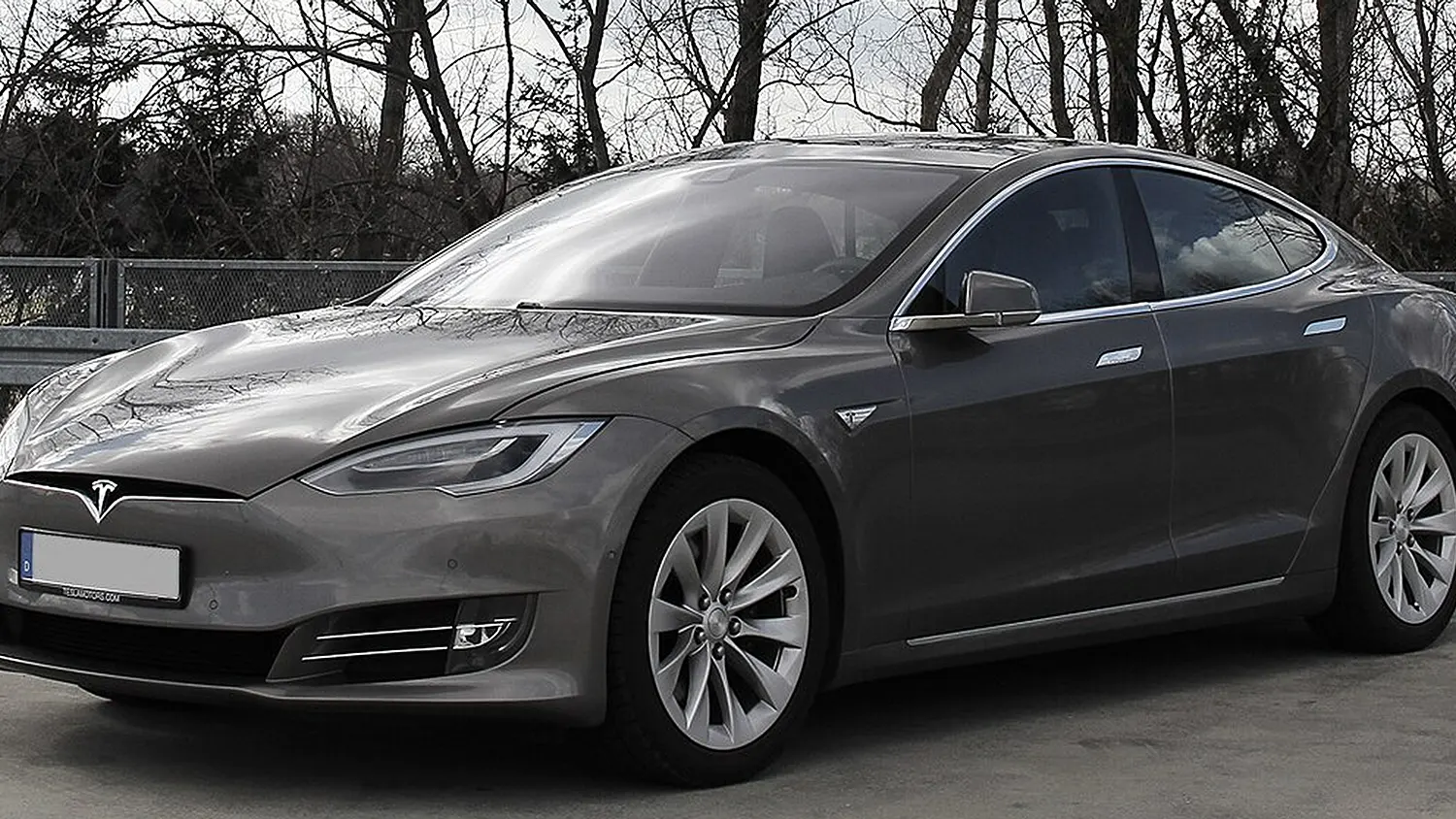
The lawsuit centered on a tragic 2019 incident involving a Tesla Model S operating with Autopilot engaged. The driver, George McGee, failed to stop at a T-intersection, ran a stop sign, and crashed into a parked Chevrolet Tahoe.
At the scene, Naibel Benavides Leon, 22, was killed, while her boyfriend, Dillon Angulo, suffered severe injuries, including a traumatic brain injury.
McGee later admitted he was distracted by his phone at the time of the crash. However, the case quickly expanded beyond driver error to examine the role of Tesla’s technology.
Claims of a Defective Autopilot System
Attorneys for the victims argued that Tesla’s Autopilot system was fundamentally flawed and contributed directly to the crash. Central to their case was the claim that Tesla’s branding and marketing created a false sense of security, leading drivers to overestimate the system’s capabilities.
A key piece of evidence came from recovered vehicle data, which reportedly indicated that the car detected an imminent collision but failed to take action to prevent it.
This raised critical questions about the limitations of driver-assistance technology and whether Tesla adequately communicated those limitations to users.
The Verdict: Shared Responsibility
The jury ultimately found Tesla 33% liable, assigning the remaining 67% responsibility to the driver.
Out of a total $329 million in damages, Tesla was ordered to pay more than $242 million, including a substantial $200 million in punitive damages, a clear signal of the jury’s stance on corporate accountability.
Industry Wide Implications
This ruling represents a potential turning point for the automotive sector. Legal analysts suggest it could “open the floodgates” for similar lawsuits, particularly those involving semi-autonomous or driver-assistance systems.
Unlike previous cases that were settled or dismissed, this verdict demonstrates that juries may be increasingly willing to hold manufacturers accountable for technological shortcomings, even when driver error is involved.
The timing is especially significant as Tesla continues to push forward with ambitious plans, including the development of fully autonomous “robotaxi” services.
Tesla’s Response and Next Steps
Tesla has strongly contested the decision, describing the verdict as “wrong” and confirming plans to appeal.
The company maintains that Autopilot is not a fully autonomous system, emphasizing that drivers are repeatedly warned to remain attentive and keep their hands on the wheel at all times.
A Defining Moment for Autonomous Driving
The case underscores a growing tension in the evolution of autonomous vehicle technology: the balance between innovation and responsibility.
As automation becomes more advanced, the legal system is beginning to define where liability truly lies between human drivers and the systems designed to assist them.
This verdict may not be the final word, but it is undeniably a critical moment in shaping the future of self driving technology and road safety worldwide.