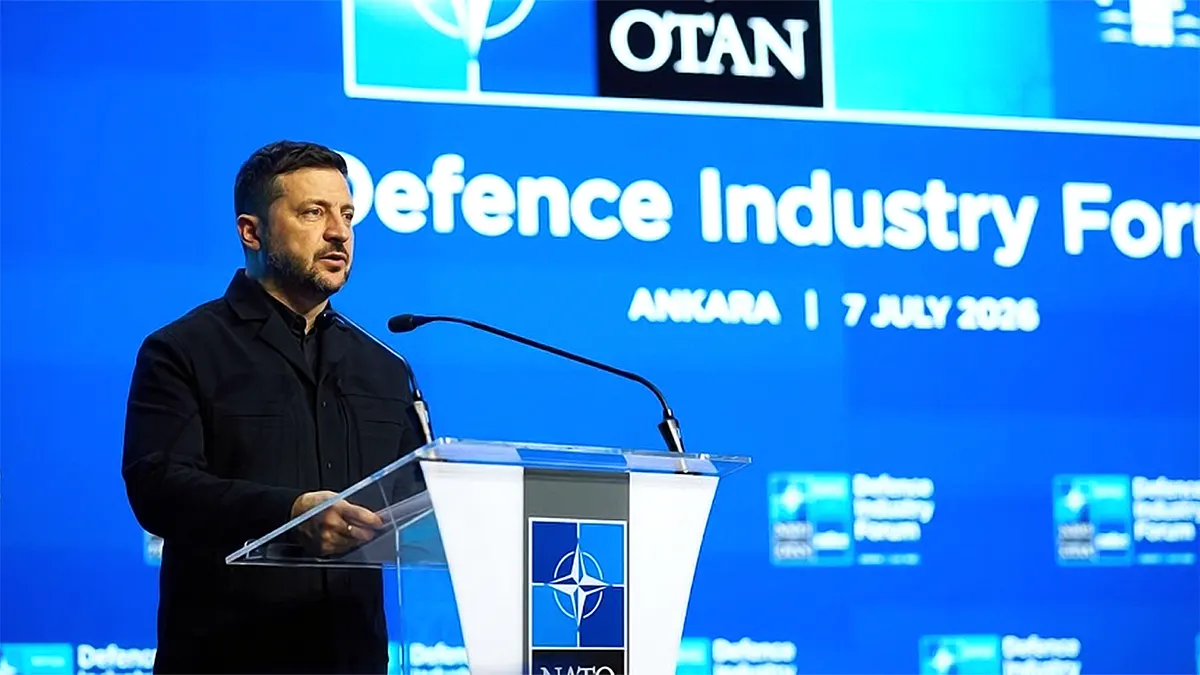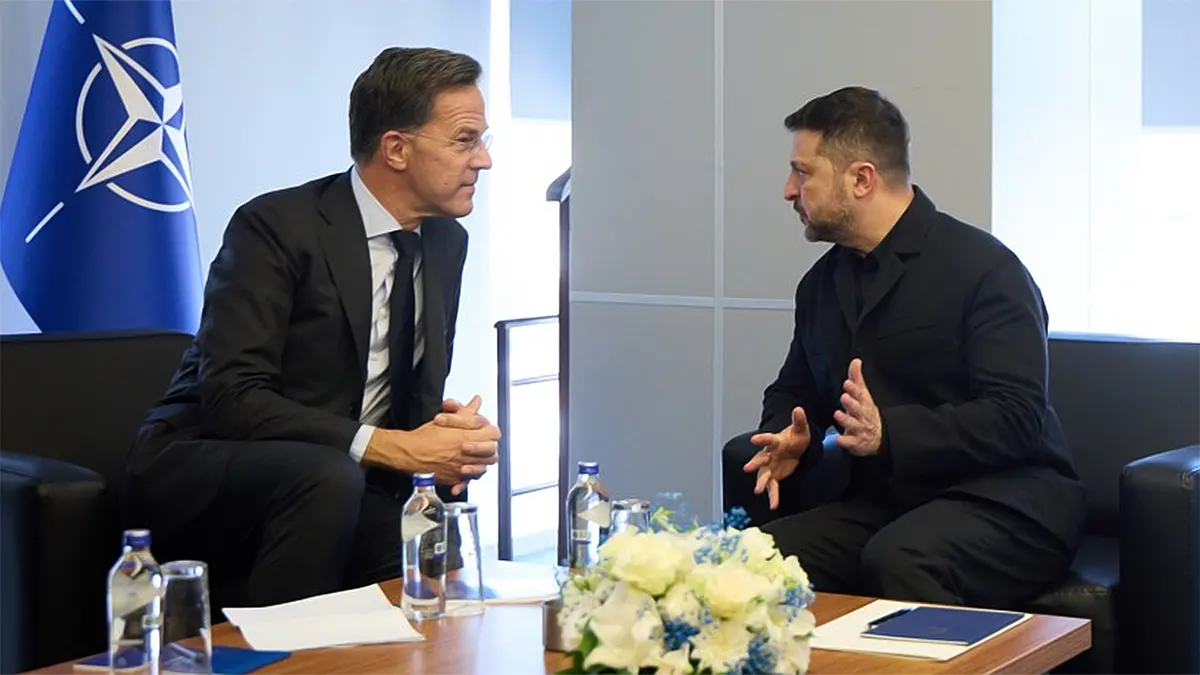
Ukraine just walked away from the NATO Summit in Ankara with more than it came for. Between a fast-tracked $300 million weapons package and a landmark commitment to let Ukraine build its own Patriot missile interceptors, the meeting marks a turning point not just in what Ukraine is getting, but in who’s paying for it.
A Targeted Package, Not a Blank Check
Even as the Trump administration keeps pushing for a negotiated end to the war, it’s moving fast to counter Russia’s momentum on the battlefield. The new $300 million package is being delivered through the Presidential Drawdown Authority (PDA), a mechanism that pulls equipment directly from existing U.S. military stockpiles so it can reach Ukraine almost immediately.
Unlike earlier broad aid packages, this one is narrowly focused on urgent, tactical needs:
- Air defense first: The package centers on advanced Patriot missile interceptors and GMLRS munitions, aimed squarely at slowing Russia’s escalating air strikes.
- A path to self-sufficiency: Alongside the shipment, the U.S. has granted Ukraine a license to eventually manufacture its own Patriot interceptors domestically, a shift from short-term aid toward long-term sustainability.
- NATO picks up the logistics: Consistent with the administration’s push to spread out Western security costs, NATO itself is now expected to manage much of the funding and delivery structure going forward.
What Zelensky Actually Won in Ankara
President Volodymyr Zelensky went into the Ankara summit focused on one thing: air defense. He came home with that and a bit more.
The breakthrough landed on two fronts. First, an immediate boost: the U.S. is rushing PAC-3 Patriot interceptor missiles to Ukraine within days, specifically to counter Russia’s recent surge in ballistic missile attacks. European allies separately locked in additional air defense commitments of their own.
Second, and arguably more significant long-term, came the production license. In a bilateral meeting, President Trump committed to letting Ukraine build its own Patriot interceptors domestically. Trump was candid about the constraints behind that decision, noting the U.S. stockpile is tight “we need them for ourselves, too” but pledged to bring American defense manufacturers to the table to help Ukraine stand up its own production line.
Not everything went Ukraine’s way. Its long-standing push for formal NATO membership remains stalled. But on the specific issue that mattered most this trip protecting Ukrainian skies, Zelensky left with a clear win.
Why Europe Is Now Footing the Bill
Behind these headlines sits a bigger structural shift in how Ukraine stays supplied. When the U.S. stepped back from direct, unilateral military donations under the Trump administration, it forced NATO to rebuild its entire aid pipeline and pushed most of the cost onto European allies and Canada.
Two mechanisms are now doing the heavy lifting:
- The €70 billion Ankara pledge: Formally locked in at the summit, NATO’s European members and Canada committed to providing €70 billion (roughly $80 billion) in military assistance and training for Ukraine this year, with a matching pledge for next year. A large share €30 billion is being channeled through the European Union’s Support Loan program.
- The PURL system: Short for the Prioritized Ukraine Requirements List, this is the logistical workaround that keeps American-made weapons flowing without direct U.S. funding. NATO’s Supreme Allied Commander Europe identifies exactly what Ukraine needs that only the U.S. can supply at scale Patriot interceptors, for instance and European allies then buy that equipment directly from U.S. defense companies using their own budgets. NATO coordinates delivery through its Security Assistance and Training for Ukraine (NSATU) hubs based in Europe.
The Bigger Picture
Taken together, these moves let the Trump administration achieve something it’s been after for a while: getting Europe to fund its own continental security, while Ukraine still gets access to top-tier American weapons systems. It’s a restructured pipeline rather than a retreat, Ukraine keeps receiving Patriot interceptors and GMLRS munitions, but the money increasingly flows from Brussels, Berlin, and Ottawa rather than Washington.
For Ukraine, the outcome from Ankara is a mixed but largely positive one: air defense reinforcements are arriving within days, a domestic production line is now on the table, and NATO membership remains just out of reach. For the alliance as a whole, it’s a preview of what sustained support for Ukraine may look like for the remainder of the war, American hardware, European money, and NATO as the connective tissue holding it together.