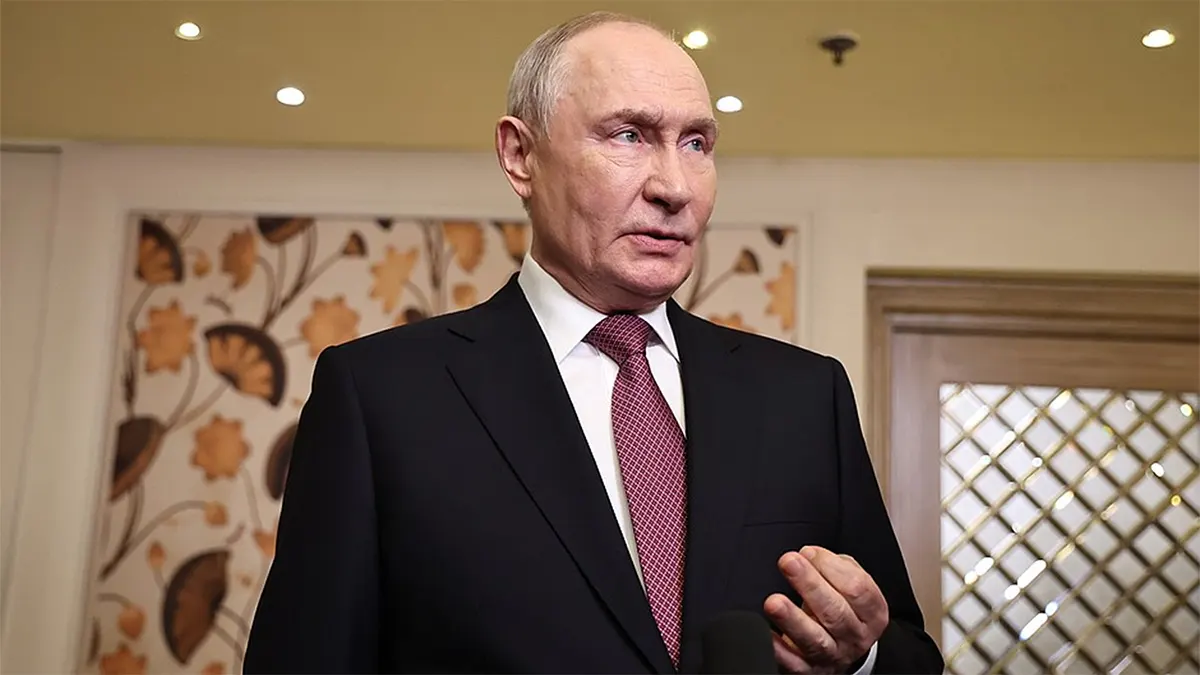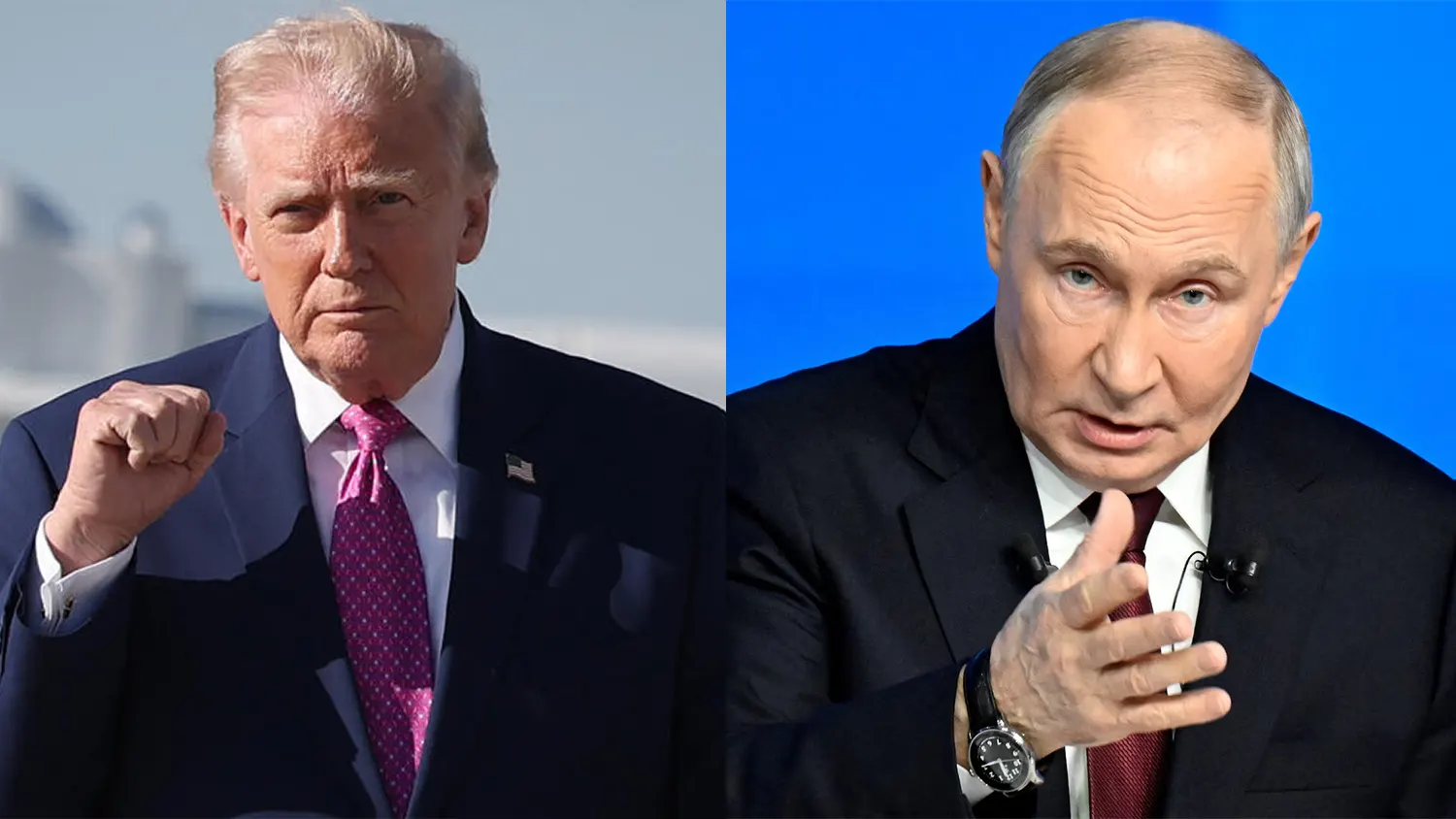
Donald Trump spent his Fourth of July on the phone with Vladimir Putin and then, on the very same day, with Volodymyr Zelenskyy. That’s not a coincidence. It’s a setup. With NATO leaders due in Ankara on July 7–8, Trump just walked into the summit holding fresh conversations with both sides of a war the alliance has spent years trying to manage together.
The 85-minute call with Putin was their fourth this year, and it landed at a moment when nearly everything about the war and the alliance itself is in flux.
A Call Built Around Timing, Not Just Talking
Nothing about this call happened by accident. Trump has increasingly leaned into his self-styled role as the dealmaker, and holding a long, high-profile conversation with Putin just three days before facing NATO heads of state sends a clear signal: Washington isn’t waiting for alliance consensus to move.
Russian Presidential Aide Yury Ushakov described the exchange as “businesslike and constructive.” That framing matters. Moscow wants this call to look like real progress toward a settlement, one negotiated directly with Trump, on Russia’s preferred terms, rather than filtered through NATO’s collective position.
What Moscow Wanted Trump to Hear
During the call, Putin briefed Trump on the battlefield, pointing to recent Russian gains including claims over the town of Kostyantynivka to argue Russia is negotiating from strength. Ukrainian officials have flatly rejected that claim.
Putin also complained about Ukrainian long-range drone strikes on Russian infrastructure, like the oil hub in St. Petersburg, trying to paint Kyiv and its European backers as the ones escalating the conflict.
Then came the economic angle. Trump noted that ending the war quickly is necessary to unlock the “colossal potential” of U.S.-Russia trade and economic cooperation. For Putin, having the leader of the world’s largest economy dangle normalized trade right before European leaders arrive ready to discuss tightening sanctions counts as a real win. The conversation even touched on Iran, with Putin thanking Trump for what Moscow called a “balanced position” on that front.
Zelenskyy Isn’t Letting Putin Control the Narrative
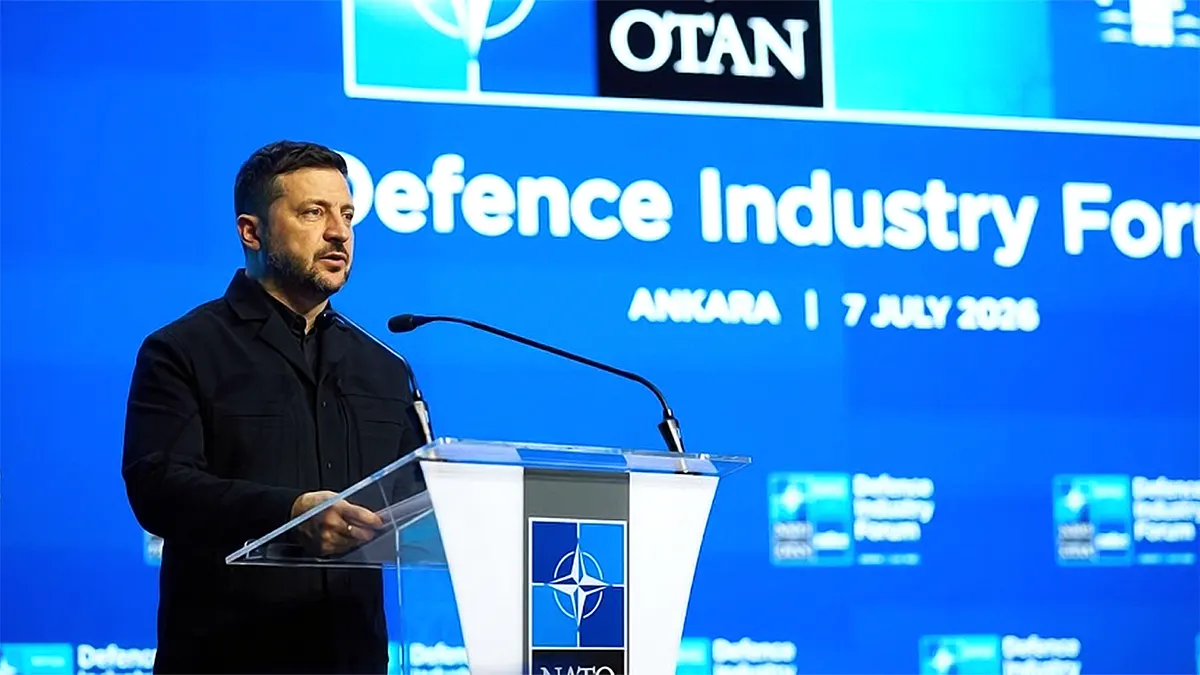
Zelenskyy wasn’t willing to let Moscow shape the story alone. He held his own call with Trump the same day, calling it “very good” and stating afterward that “there is a real prospect to put an end to this war, and America’s resolve is decisive.”
That phrase America’s resolve is doing a lot of work. Zelenskyy is trying to make sure any peace plan Trump champions still guarantees Ukrainian sovereignty, rather than a settlement written on Moscow’s terms.
He also walked Trump through the realities of the roughly 1,200-kilometer front line, directly countering Russia’s claims of dominance. And notably, both leaders agreed to keep talking face-to-face in Ankara giving Ukraine a guaranteed seat at the table just as the rest of the alliance gathers.
There was a symbolic layer too. Since the call fell on the United States’ 250th Independence Day, Zelenskyy thanked Trump for everything from Javelins and Patriots to political backing. That evening, Kyiv lit up its 62-meter Motherland Monument in the colors of the American flag.
Behind the scenes, envoys Steve Witkoff and Jared Kushner have reportedly been shuttling between both sides and are said to be preparing for an upcoming trip to Moscow.
Why Ankara Just Became a Three-Way Negotiation
NATO summits typically exist to project unity against Russia. This one arrives with Trump already holding a working baseline from both Moscow and Kyiv before the North Atlantic Council even convenes.
That creates what’s effectively a shadow table in Ankara. While official sessions focus on alliance business, the real action will likely happen in sidebar conversations between Trump, Zelenskyy, and host President Recep Tayyip Erdoğan, who has long wanted a piece of the peace-broker role himself.
It also puts pressure on European leaders. NATO Secretary General Mark Rutte has been pushing a “NATO 3.0” framework demanding significantly higher European defense spending. Trump’s timing signals that financial concessions alone might not be enough to keep him inside a unified alliance strategy, he’s shown he’s willing to run parallel, independent peace talks regardless of what NATO prefers.
The NATO Friction Trump Can’t Ignore
This isn’t happening in a friendly atmosphere, either. Trump recently criticized NATO on Truth Social, calling the relationship “one-sided” and expressing frustration that European allies didn’t back recent U.S. military operations in Iran.
That frustration adds another layer of unpredictability heading into Ankara. European leaders now have less than 48 hours after this call to coordinate a response before facing Trump in person whether that means pushing back on a fast-tracked deal or trying to get ahead of concessions they fear he might make.
What Happens July 7–8
The Ankara summit will likely hinge on one core question: does Trump accept Europe’s spending concessions under “NATO 3.0” as enough of a win to stay aligned with the alliance’s approach or does he use the platform to pivot toward direct, unilateral peace talks with Russia?
Either way, the Fourth of July calls made one thing clear: Trump isn’t arriving in Turkey as just another member of the alliance. He’s arriving as the person both Moscow and Kyiv called first.