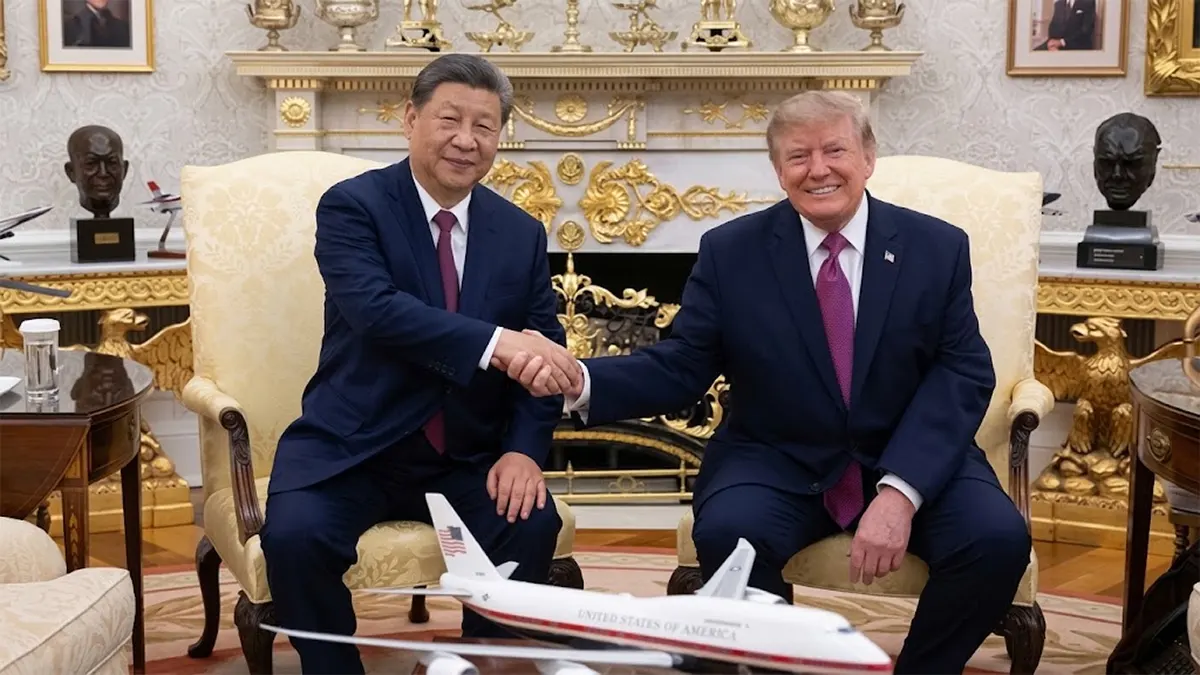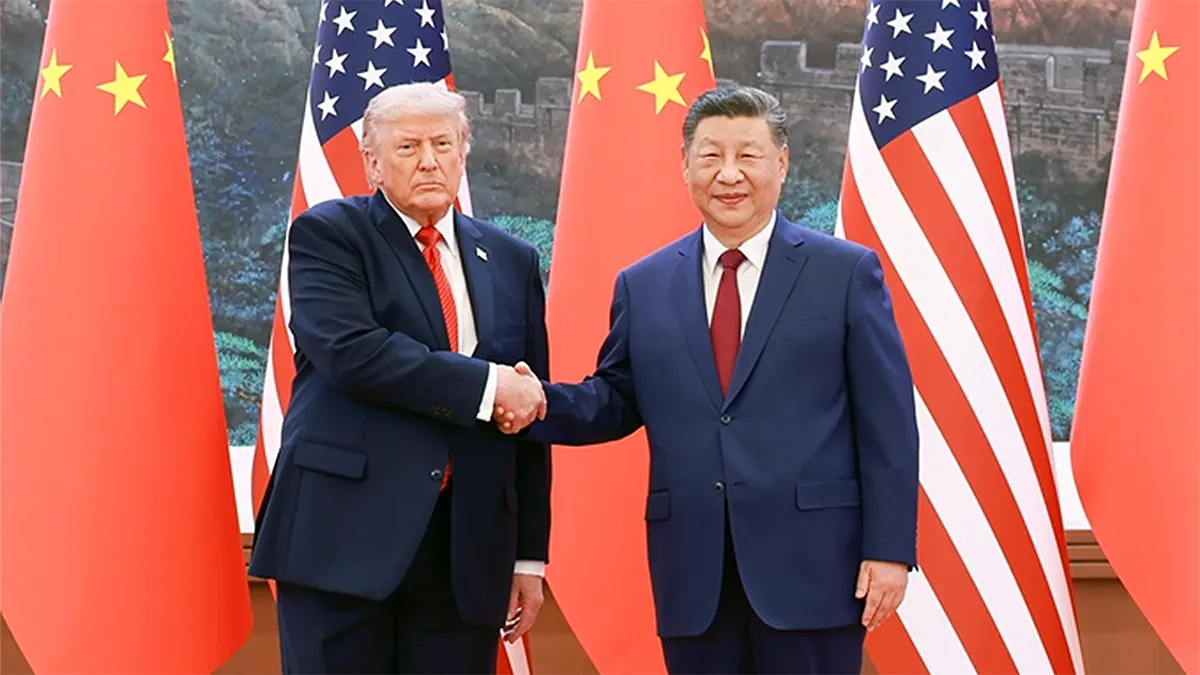
There is no small talk at this summit. When President Donald Trump stepped off Air Force One in Beijing on Wednesday evening, May 13, he brought with him an agenda that spans war, oil, Taiwan, and the future of the global economy. The three-day state visit, his first to China since returning to the White House is being described by Trump himself as potentially the “biggest summit ever.”
Whether that turns out to be true or diplomatic theatre, one thing is certain: the world is paying attention.
A Trip That Almost Didn’t Happen
This visit was originally scheduled for March 2026, but was pushed back after the outbreak of the U.S.-Israel war with Iran upended Washington’s diplomatic calendar. The conflict didn’t just disrupt the timeline, it made this summit exponentially more urgent.
Now that the window has opened, both governments are moving fast. The three days are being used to clear a serious backlog: pressing Beijing for help reopening the Strait of Hormuz, and closing a major purchase agreement for American agricultural goods and Boeing aircraft.
The full itinerary reflects just how packed the agenda is. Thursday, today began with a formal welcome ceremony at the Great Hall of the People, followed by a two hour and fifteen minute closed door bilateral meeting with President Xi Jinping. This afternoon, Trump toured the historic Temple of Heaven. Tonight, he will sit down to a lavish state banquet hosted by Xi. On Friday, a final bilateral tea and working lunch close out the visit before Trump departs for Washington.
The Taiwan “Red Line” That Neither Side Can Ignore
Of every issue on the table, Taiwan carries the highest temperature.
President Xi made his position explicit: Taiwan is, in his words, the “most important issue” in the relationship, and any mishandling risks “clashes and conflict.” He went further, framing Taiwanese independence and cross-strait peace as being as incompatible as “fire and water.”
The flashpoint is a $14 billion U.S. arms-sales package currently under review by the Trump administration. Beijing is pushing Washington to go beyond its long standing policy of “not supporting” independence, and to formally “oppose” it, a subtle but significant shift in language that would represent a major diplomatic concession.
Trump, for his part, is threading a narrow needle. His administration has maintained “strategic ambiguity” on Taiwan while simultaneously taking a louder, more assertive stance on protecting global trade routes, a position that puts American naval assets directly in Beijing’s line of sight.
Why Iran Is the Unlikely Glue Holding This Summit Together
Here is the paradox at the heart of this week’s talks: two rival superpowers that agree on almost nothing share a powerful common interest in ending the war in Iran.
Since the U.S. Navy began blockading the Strait of Hormuz and intercepting oil tankers, Brent crude has surged to around $105 per barrel. For China, the world’s largest crude oil importer that is an economic emergency. For Trump, persistently high oil prices mean punishing gas prices at home, with November midterm elections on the horizon.
This is where China’s leverage becomes the summit’s most valuable currency. As Iran’s largest crude buyer, Beijing has real influence in Tehran. Trump is reportedly asking Xi to use that leverage to bring Iran back to the negotiating table and push for a ceasefire. In exchange, there are strong rumours of tariff relief on Chinese electronics, a significant carrot that Beijing has long been pressing for.
A Trade Reset Built Around Soybeans, Jets, and Silicon
Even beneath the geopolitical drama, there is a substantial commercial agenda moving in parallel.
Trump arrived in Beijing with a delegation of American CEOs including Elon Musk of Tesla and Jensen Huang of Nvidia. Their presence signals that this isn’t just a summit about security; it’s also about market access. Huang’s attendance in particular carries weight, given the ongoing U.S. restrictions on advanced AI chip exports to China.
On the trade side, Trump is pushing for massive Chinese purchase commitments covering soybeans, liquefied natural gas, and Boeing aircraft deliverables that play directly to his agricultural voter base back home. To ensure follow-through on any deals made, Trump plans to announce a “Board of Trade”: a joint committee of senior officials tasked with overseeing implementation and holding both sides accountable.
AI Enters the Room
In a sign of how much the diplomatic landscape has shifted, artificial intelligence has joined the summit agenda.
Both governments are exploring a framework for AI safety specifically, establishing a shared dialogue to prevent the release of AI models capable of disrupting global economies or military operations. It is a topic that would have seemed out of place in any prior U.S.-China summit, and its inclusion here signals just how central AI has become to national security calculations on both sides.
That said, the U.S. is keeping a firm boundary: technology export controls remain non-negotiable and are deliberately kept separate from the safety talks.
What Markets Are Watching
Traders haven’t been sitting still. Global markets have been volatile throughout Thursday, with analysts broadly agreeing that the outcome of today’s closed-door meeting will drive significant moves.
A joint statement even a vague, diplomatic one could trigger a substantial rally in tech and energy stocks. A breakdown in talks, on the other hand, could push gold and oil prices to record highs. The stakes are that binary.
Buying Time, Not Solving Everything
It would be tempting to look at this summit and expect a grand resolution. But analysts are more measured. What Beijing and Washington are really doing this week is buying time creating enough breathing room for both leaders to manage the pressures mounting at home.
Trump is managing an unpopular war and rising inflation. Xi is navigating a faltering economy and fragile supply chains. Neither can afford a dramatic breakdown. Neither can fully deliver what the other wants.
What they can do and what this summit appears designed to achieve is establish enough shared ground to prevent the rivalry from tipping into something worse. On Taiwan, on Iran, on trade, and now on AI, the goal is not resolution. It is managed coexistence, with just enough cooperation to keep global markets, energy supplies, and military postures from colliding.
Whether that is enough will depend on what both men say and what they don’t when they sit down for their final working lunch on Friday morning.