Iran is going to the 2026 FIFA World Cup. That sentence, simple as it sounds, is the result of weeks of high-stakes diplomacy, a canceled flight, heated negotiations, and a direct Oval Office sign-off. Getting Team Melli to Los Angeles in June was never going to be straightforward and the road there is a story worth telling in full.
Fourth Consecutive World Cup, but Nothing About This One Is Routine
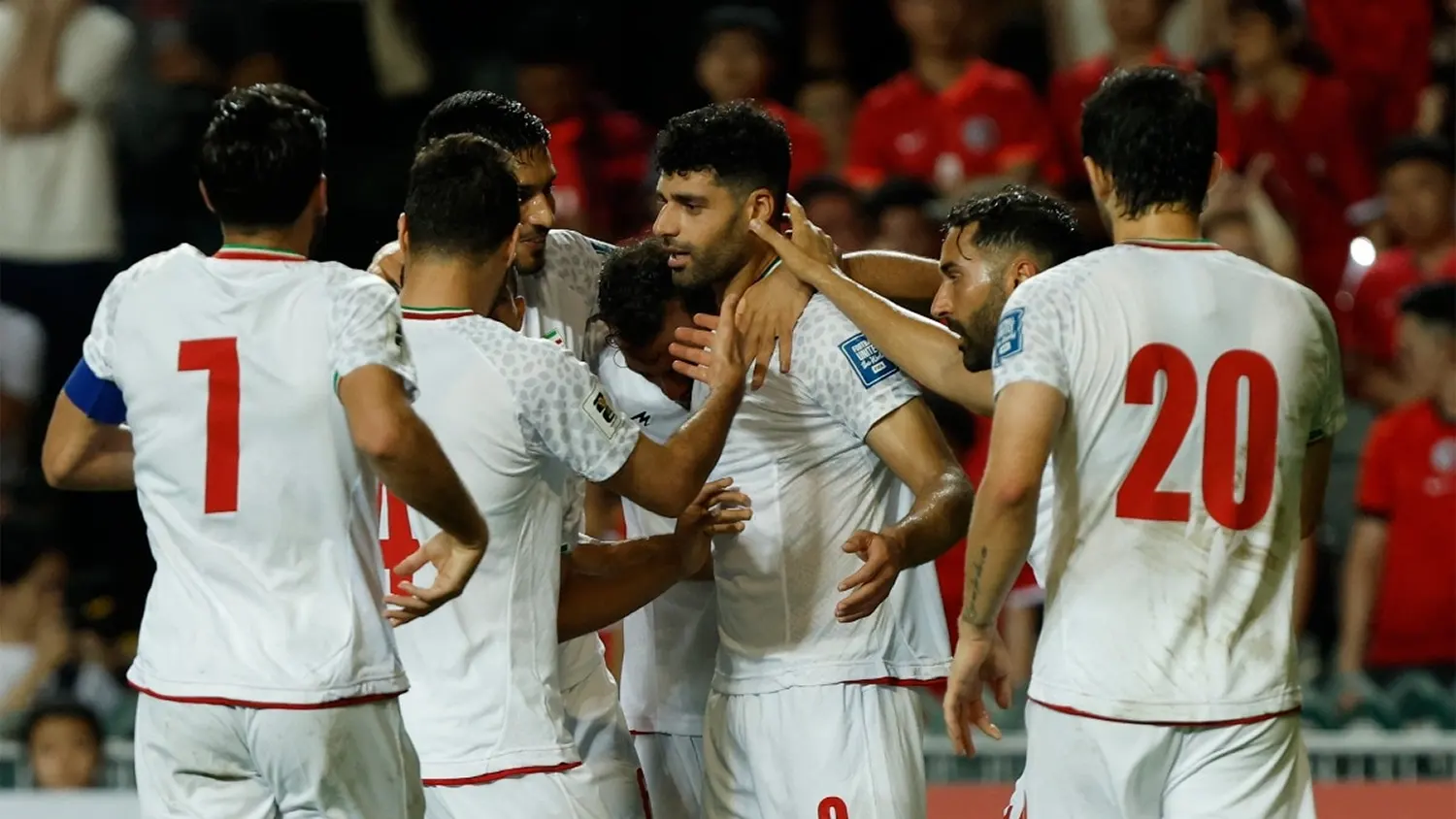
Iran’s qualification itself was a genuine achievement. Head coach Amir Ghalenoei guided his squad to top spot in Group A during the third round of AFC qualifiers, securing Iran’s fourth consecutive World Cup appearance and seventh overall. With stars like Mehdi Taremi and Ehsan Hajsafi anchoring the team, expectations on the pitch are real.
What nobody could have predicted is how complicated simply getting there would turn out to be.
The tournament co-hosted by the United States, Canada, and Mexico was always going to raise eyebrows for Iran. There are no formal diplomatic ties between Tehran and Washington. There is no U.S. embassy in Iran. And the political temperature between the two countries in 2025 and into 2026 has been anything but calm. When the draw placed Iran in Group G alongside Belgium, Egypt, and New Zealand, with two of their three matches scheduled for Los Angeles, the questions started immediately: Would Iran actually show up? Could they even get in?
The Match Schedule That Made Everything Complicated
Iran’s group stage fixtures are set:
- June 15 — Iran vs. New Zealand, SoFi Stadium, Los Angeles
- June 21 — Belgium vs. Iran, SoFi Stadium, Los Angeles
- June 26 — Egypt vs. Iran, Lumen Field, Seattle
Two matches in Los Angeles. One in Seattle. All on U.S. soil. For most national teams, this is a scheduling footnote. For Iran, it became a geopolitical obstacle course.
Why Turkey Became the Unlikely Staging Ground
Because there’s no U.S. embassy operating in Tehran, the Iranian delegation couldn’t simply apply for visas at home. The Football Federation of the Islamic Republic of Iran (FFIRI) arranged for the entire 30-man preliminary squad to travel to Antalya, Turkey — not just for training and a pre-tournament friendly against Gambia, but to use the country as the physical hub for processing their U.S. visa applications.
It’s an unconventional setup, but it reflects the reality of Iran’s diplomatic isolation from the host nation. Every logistical step that other teams handle domestically, Iran has had to route through a third country.
The 10 Conditions Iran Put on FIFA’s Table
FFIRI President Mehdi Taj didn’t arrive at negotiations quietly. Iran presented FIFA with a formal list of 10 conditions it required to be met before confirming full participation. FIFA Secretary General Mattias Grafström acknowledged the list and said constructive solutions had been found but the details reveal just how deep the concerns run.
The demands covered several distinct areas:
Visa access and entry guarantees — Iran wanted assurances that players and technical staff would receive smooth entry without aggressive questioning or delays at the U.S. border. They also sought exemptions from intensive fingerprinting protocols during the Turkey processing stage.
Stadium security and flag protocol — Iran demanded heightened security at airports, hotels, training facilities, and transit routes. They also required that the official Iranian national flag and national anthem be given full protocol respect during matches a pointed demand in a politically charged environment.
A direct charter flight — Rather than routing the delegation through commercial transit, Iran requested a dedicated charter across the Atlantic to minimize exposure and ensure logistical control.
These weren’t abstract concerns. They were grounded in a very specific, and very serious, legal problem.
The IRGC Problem: When Military Service Becomes a Border Issue
Here’s the core of the crisis. In Iran, military service is mandatory and a portion of conscripts are randomly assigned to the Islamic Revolutionary Guard Corps (IRGC). Neither soldiers nor the men who served them had any say in that assignment.
The problem: the United States and Canada both designate the IRGC as a terrorist organization. Under standard immigration law, anyone with documented IRGC affiliation can be barred from entry.
Mehdi Taj specifically named Taremi and Hajsafi as players whose mandatory conscription assignments should not be held against them. These are not men who chose to join a sanctioned organization, they fulfilled a legal requirement of their home country. But that distinction doesn’t automatically translate into a visa stamp.
The Incident That Made the Danger Concrete
This wasn’t theoretical. During the 76th FIFA Congress in Vancouver, the Iranian delegation didn’t show up because Mehdi Taj’s visa was revoked mid-flight by Canadian immigration authorities due to his historical IRGC links. He and the Iranian officials were forced to turn the plane around before landing.
That incident landed like a thunderclap. If the federation president couldn’t get into Canada for a football congress, what did that mean for players and staff heading to the United States for the actual tournament? The FFIRI’s demand for absolute guarantees suddenly made complete sense.
FIFA Draws a Line and So Does Infantino
At the same FIFA Congress that Iran’s delegation missed, FIFA President Gianni Infantino made his position crystal clear. He opened his address by shutting down weeks of speculation including a rumored proposal to replace Iran with Italy, and a suggestion from Mexican leadership to move Iran’s matches entirely to Mexico to sidestep the U.S. border issue.
Infantino didn’t entertain either option. His message was unambiguous: Iran was in, Iran would play in the United States, and the schedule would not be redrawn.
“Let me start by the outset, confirming straightaway that of course Iran will be participating at the FIFA World Cup 2026. And of course, Iran will play [in] the United States of America.”
Trump Gives the Green Light With Fine Print
Following Infantino’s statement, U.S. President Donald Trump addressed the media from the Oval Office. Citing his relationship with the FIFA chief, he gave the clearest possible public signal:
“Well, if Gianni said it, I’m OK. You know what? Let ’em play.”
But the U.S. State Department, led by Secretary of State Marco Rubio, immediately added a layer of complexity that turned the green light amber for part of the delegation.
The official U.S. position broke down like this:
- Players are welcome. The actual footballers on the pitch will be granted visas without issue.
- Staff with verified IRGC ties will be denied. Coaches, directors, and administrative personnel with documented active links to or compulsory conscription within the IRGC will not receive entry visas.
This split-policy approach means Team Melli will be on the field at SoFi Stadium on June 15. But it also means the FFIRI is currently reworking its staff list, reviewing every member of the technical and administrative delegation to ensure they can clear U.S. border control. The squad travels; the question is exactly who travels with them.
Home Base: Tucson, Arizona
Assuming the visa window closes without a last-minute diplomatic breakdown, Iran has already locked in its North American base camp at the Kino Sports Complex in Tucson, Arizona. From there, the team will travel to California for their opening fixture against New Zealand on June 15.
It’s a concrete, operational plan which, given everything that came before it, represents genuine progress.
A World Cup Story That Started Long Before Kickoff
Iran’s 2026 World Cup campaign hasn’t officially begun yet, and it’s already one of the most talked-about stories heading into the tournament. The football itself Taremi’s movement, Hajsafi’s leadership, Ghalenoei’s tactics against Belgium’s depth will eventually take center stage.
But what’s happened in the months before a single ball is kicked deserves its own recognition. Getting Team Melli to Los Angeles required navigating a legal minefield, a diplomatic incident at 30,000 feet, high-level intervention from a FIFA president and a U.S. president, and a federation willing to put 10 formal demands on the table and hold its ground.
They’re going. And the journey there was every bit as complicated as the geopolitics suggested it would be.