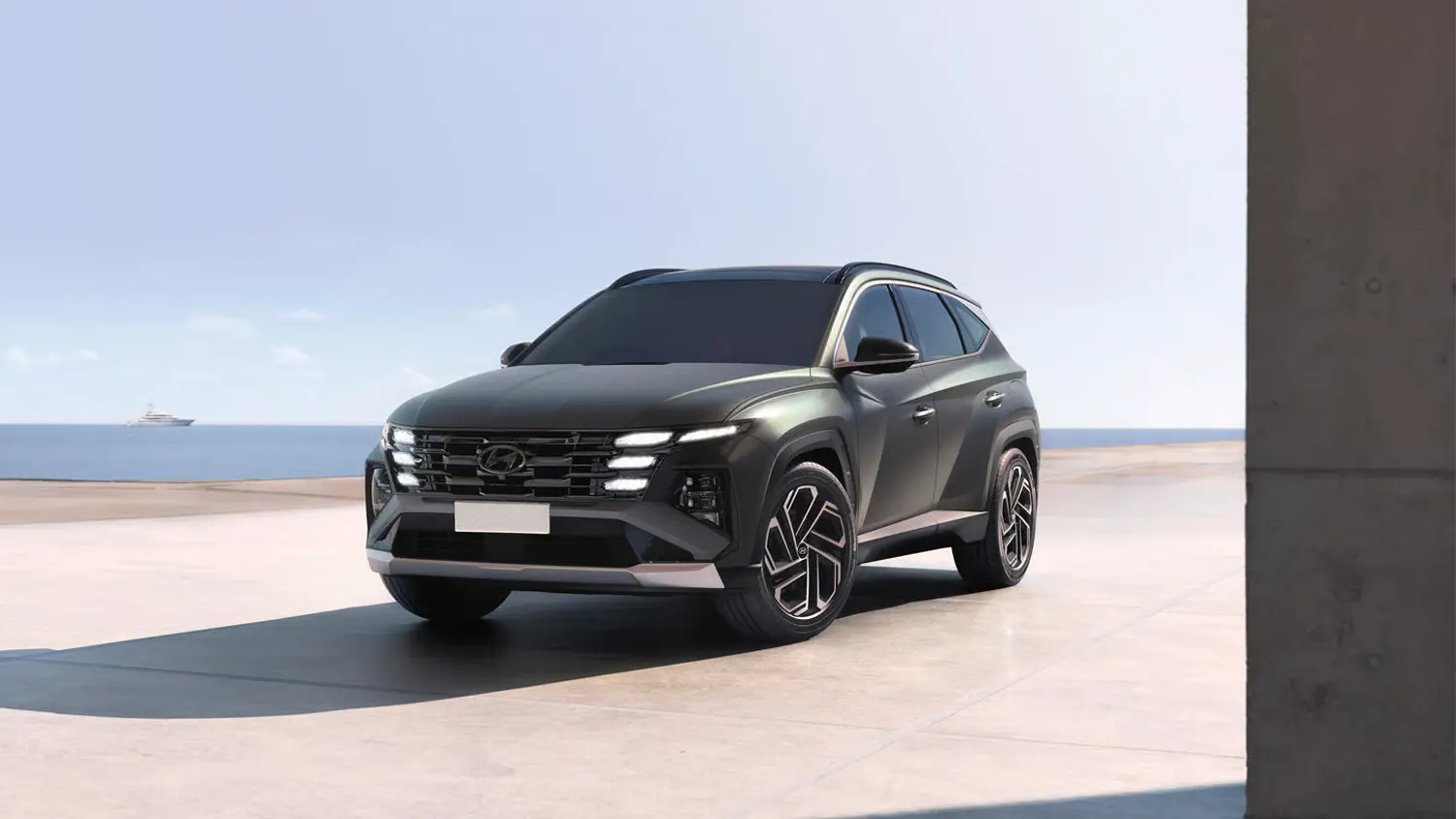
Hyundai Motor Company reported its first-quarter 2026 results. At first glance, the numbers looked strong. Revenue hit a record KRW 45.94 trillion ($33.5 billion), the highest ever for a first quarter. But beneath that milestone, operating profit fell sharply down about 30% year on year.
That contrast tells a deeper story. Hyundai is selling more valuable vehicles and expanding its reach. Yet external pressures are eroding what matters most: profitability. Higher sales are no longer translating into higher earnings, and global trade friction is starting to bite.
But the real shift came from what powered that revenue surge. It was not fully electric vehicles, but something more pragmatic.
Hybrids step in as EV demand cools and buyers hedge their bets
Hyundai’s strongest growth engine in early 2026 was its hybrid lineup. As global enthusiasm for fully electric vehicles softened, consumers gravitated toward a middle ground. The result was striking. Hybrid sales jumped to 173,977 units in a single quarter, and electrified vehicles now make up nearly 25% of total sales.
This shift reflects changing consumer behavior. Buyers want fuel efficiency and lower emissions, but many still worry about charging infrastructure and driving range. Hybrids offer a compromise. They deliver improved efficiency without requiring a full transition to electric.
That strategy has paid off in revenue terms. Hyundai is not just selling more vehicles, it is selling more expensive ones. Larger SUVs and premium models are driving higher transaction prices. Even as total unit sales dipped slightly by about 2.5%, a richer product mix lifted overall revenue, and high-value vehicles became the backbone of growth.
Yet strong sales alone cannot shield a company from macroeconomic realities. And that is where Hyundai’s challenges begin to surface.
Tariffs and global tensions create a costly barrier to profit
Despite record revenue, Hyundai’s operating profit fell to KRW 2.51 trillion. The primary reason was external. U.S. auto tariffs alone cost an estimated KRW 860 billion ($634 million) in just three months. That single factor significantly reduced margins.
But tariffs were not the only pressure point. Geopolitical instability in the Middle East disrupted supply chains, adding operational costs and slowing regional performance. At the same time, currency fluctuations and rising raw material prices squeezed margins further.
Together, these forces created what analysts often describe as a “margin compression” environment. In simple terms, costs are rising faster than profits. Hyundai may be selling the right products, but it is doing so in a tougher global landscape.
This raises a broader question: if external pressures persist, how does Hyundai protect its bottom line?
Why Hyundai is tightening spending while doubling down on premium models
In response, Hyundai is shifting into what executives describe as a defensive posture. The company has launched a “zero based budget” review. This means every expense is being reassessed from scratch. Cost discipline is now a central priority, and protecting margins has become as important as driving sales.
At the same time, Hyundai is not retreating from growth. Instead, it is focusing on higher value vehicles. Upcoming models like the Hyundai Palisade and Hyundai IONIQ 9 are expected to anchor this strategy. These vehicles offer higher margins and stronger brand positioning, particularly in competitive markets like the United States.
This dual approach cutting costs while pushing premium products reflects a balancing act. Hyundai must remain competitive on price while preserving profitability in a volatile environment.
But beyond strategy, the company’s product lineup reveals where its real strength lies today.
The SUV hybrids driving Hyundai’s global momentum
Within Hyundai’s hybrid portfolio, a few models dominate. The standout is the Hyundai Tucson Hybrid. It remains the company’s top selling hybrid globally. Its appeal is straightforward: a balanced price point, wide availability, and recent design updates that resonated with buyers.
Close behind is the Hyundai Santa Fe Hybrid. Its bold redesign has divided opinions but driven strong demand, particularly in North America. For many buyers, it offers three row utility without the higher cost of larger electric SUVs, making it a practical alternative.
Meanwhile, the Hyundai Elantra Hybrid known as the Avante in some markets is emerging as a quiet success. As fuel prices fluctuate, some consumers are returning to sedans. Efficiency and affordability are driving renewed interest, and hybrid sedans are benefiting from that shift.
These models highlight a clear pattern. Hyundai’s success is not tied to a single product, but to a broader strategy: meeting consumers where they are, not where the industry once expected them to be.
Hyundai’s first quarter captures a moment of transition. Record revenue signals strong demand and effective product strategy. Falling profits reveal the cost of operating in a fragmented global economy. The company is navigating both at once leaning on hybrids today while preparing for a more electrified future.
The apples-to-apples comparison is stark: more cars, more revenue, but less profit. Whether Hyundai can close that gap will depend not just on what it sells next, but on how the world around it evolves.