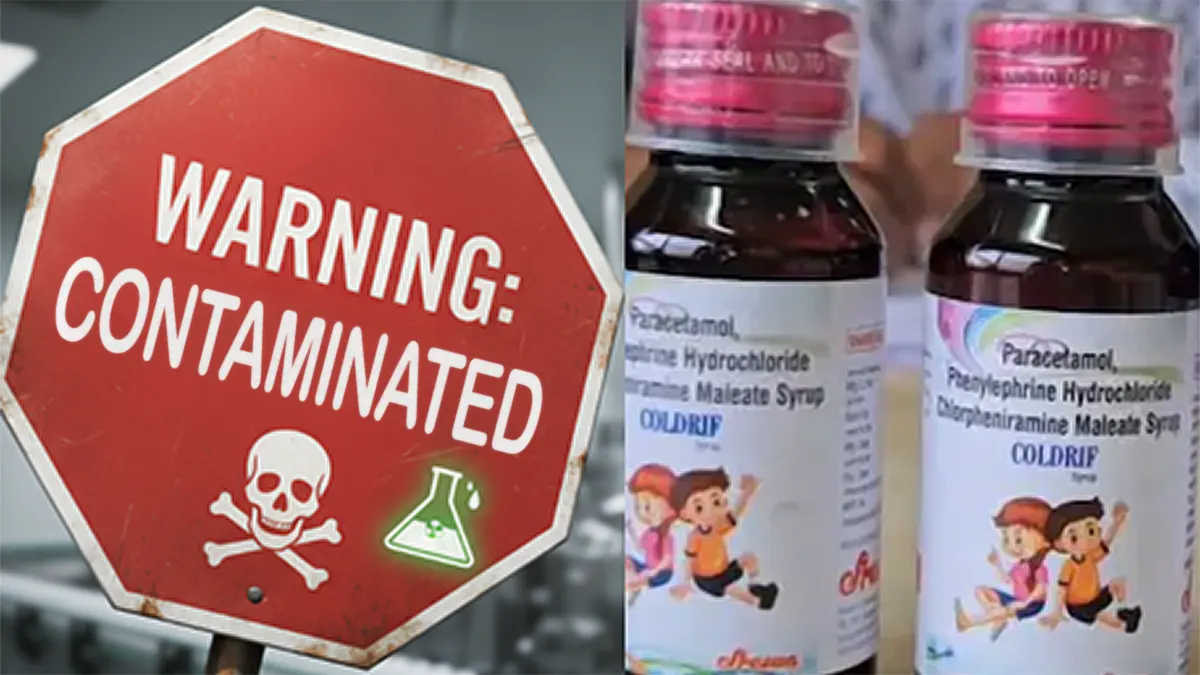
A fresh wave of concern has swept across India after reports linked contaminated cough syrups to the deaths of several children suffering from acute kidney injury. The incidents have reignited questions about pharmaceutical safety standards and exposed longstanding weaknesses in the country’s drug regulation system.
The latest cases, reported in parts of Madhya Pradesh and Rajasthan, are drawing attention not only because of the lives lost but also because they mirror a pattern that has surfaced repeatedly over the past several decades.
Contaminated Syrups at the Center of New Investigations
Health authorities launched investigations after children reportedly fell seriously ill after consuming cough syrups sold under the brand names Coldrif and Nextro-DS.
Laboratory testing later found that a batch of Coldrif syrup contained dangerously high levels of Diethylene Glycol (DEG), a toxic chemical that can cause severe poisoning. Reports indicated the concentration reached nearly 48.6%, far exceeding safe pharmaceutical standards.
DEG and the related chemical Ethylene Glycol (EG) are industrial substances commonly used in products such as antifreeze and solvents. In pharmaceutical manufacturing, they should never replace approved pharmaceutical-grade ingredients. However, contamination or substitution has repeatedly been identified as a factor in deadly poisoning cases.
When consumed, these chemicals can trigger acute kidney failure, liver damage, neurological complications, and death, particularly among young children.
Following the test results, authorities moved to halt the sale and distribution of the affected products while investigations continued.
A Crisis India Has Faced Before
While the latest cases have shocked the public, they are far from unprecedented.
India has experienced multiple incidents involving DEG-contaminated medicines over the years, raising concerns about whether lessons from past tragedies have been fully implemented.
Among the most notable cases:
- In 1986, contaminated glycerin was linked to the deaths of 14 patients in Mumbai.
- In 1998, at least 33 children reportedly died in Gurgaon after consuming a contaminated cough expectorant.
- In 2020, 12 children lost their lives in Jammu following the consumption of tainted cough syrup.
The recurrence of such incidents has fueled criticism that regulatory reforms have not gone far enough to prevent similar disasters from happening again.
International Cases Put India’s Pharma Industry Under Pressure
The issue gained global attention in 2022 when cough syrups manufactured by Indian pharmaceutical companies were linked to child deaths in countries including The Gambia and Uzbekistan.
The cases prompted international concern and led the World Health Organization to issue safety alerts. The controversy also damaged India’s reputation as a major supplier of affordable medicines worldwide, a position often described as the country’s role as the “Pharmacy of the World.”
The international fallout increased pressure on regulators and manufacturers to strengthen oversight and quality control procedures.
Measures Introduced After Global Outcry
Following international criticism, Indian authorities introduced several reforms aimed at improving pharmaceutical safety.
Among the key measures were:
- Mandatory Good Manufacturing Practices (GMP) compliance for pharmaceutical companies.
- Additional quality testing requirements for cough syrups intended for export markets.
- Health advisories discouraging the routine use of cough syrups in very young children, particularly those under two years old.
These steps were intended to improve manufacturing standards and restore confidence in Indian-made medicines.
However, critics argue that enforcement remains inconsistent and that penalties for violations often fail to serve as meaningful deterrents.
Why Experts Say the Problem Persists
Many public health experts point to structural weaknesses within India’s regulatory framework as a major reason these incidents continue to occur.
Drug oversight is divided between the Central Drugs Standard Control Organization (CDSCO) and state-level regulatory agencies. While the system allows local authorities to monitor manufacturers, critics say it can also create gaps in enforcement and accountability.
This fragmented structure has led to calls for a more centralized approach that applies uniform standards across the country.
Another challenge is the shortage of resources available for inspections and testing.
Regulatory agencies often face staff shortages, limited inspection capacity, and underutilized testing laboratories, making it difficult to conduct regular checks on pharmaceutical products and raw materials.
The Missing Recall Mechanism
One issue repeatedly highlighted by industry observers is the absence of a comprehensive mandatory drug recall system.
Without a strong nationwide recall framework, potentially dangerous products may remain in circulation longer than they should, increasing risks to consumers.
Public health advocates argue that a modern recall system could help remove unsafe medicines from the market more quickly and prevent further harm when contamination is detected.
Calls for Stronger Accountability
The latest cough syrup tragedy has renewed demands for deeper reforms beyond inspections and compliance requirements.
Experts argue that preventing future incidents will require stricter enforcement, faster product recalls, stronger oversight of raw materials, and tougher penalties for negligence.
For many families affected by these cases, the issue extends beyond regulation. It is about ensuring that medicines intended to help children recover do not become a source of danger themselves.
As investigations continue, the latest contamination case serves as another stark reminder that protecting public health requires constant vigilance and a regulatory system capable of identifying risks before lives are lost.