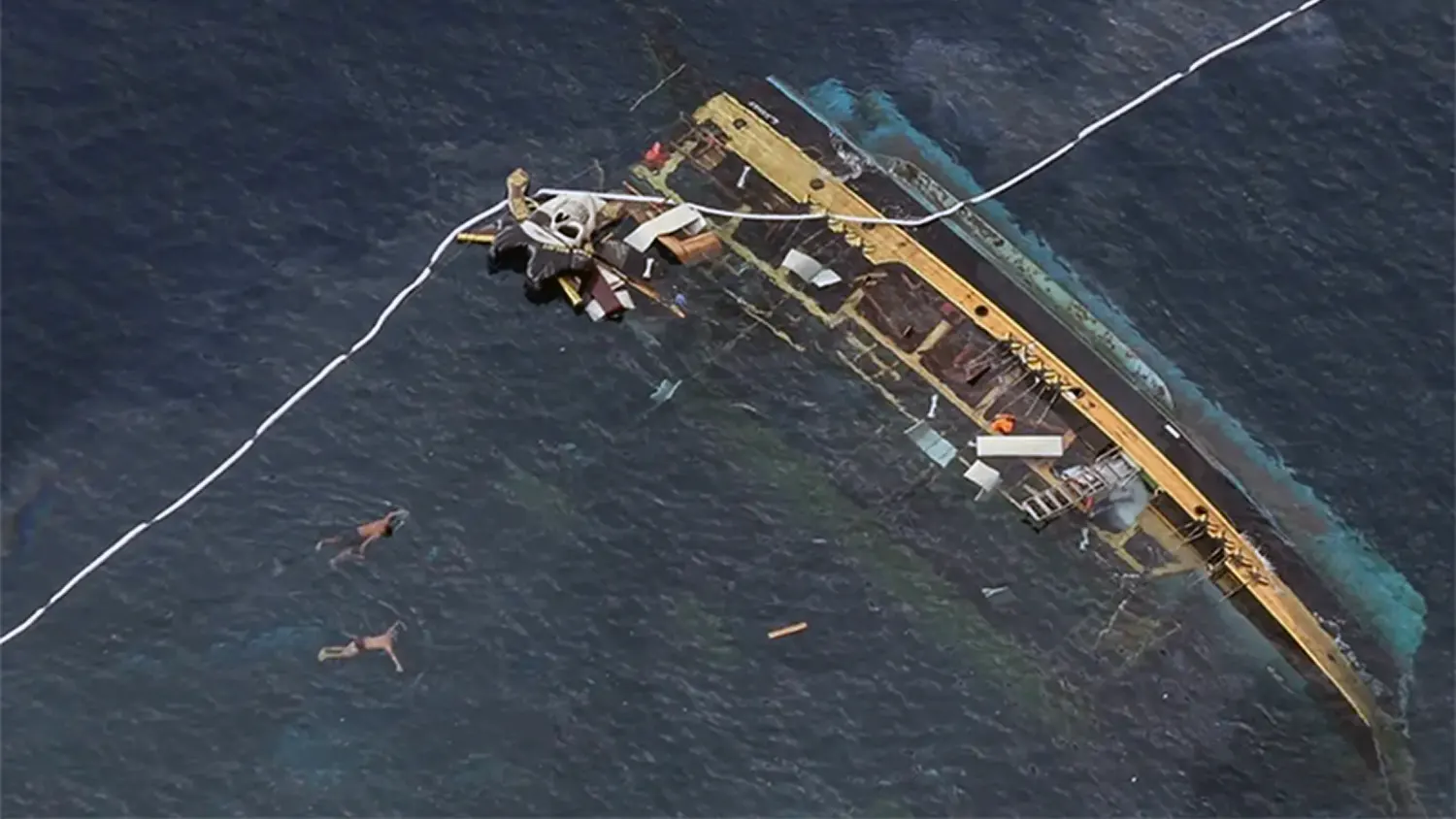
A wave of grief has swept across the Democratic Republic of the Congo after two deadly boat disasters in Equateur province killed at least 193 people within just 48 hours.
The back to back tragedies have once again exposed the country’s long-running transportation crisis, where millions of people rely on overcrowded and poorly regulated riverboats to travel across vast regions with limited road access.
Authorities say many victims are still missing, raising fears that the final death toll could climb even higher in the coming days.
First Disaster Claims Lives of Dozens of Students
The first accident happened on September 10, 2025, in the Basankusu territory, where a motorized passenger boat capsized during nighttime travel.
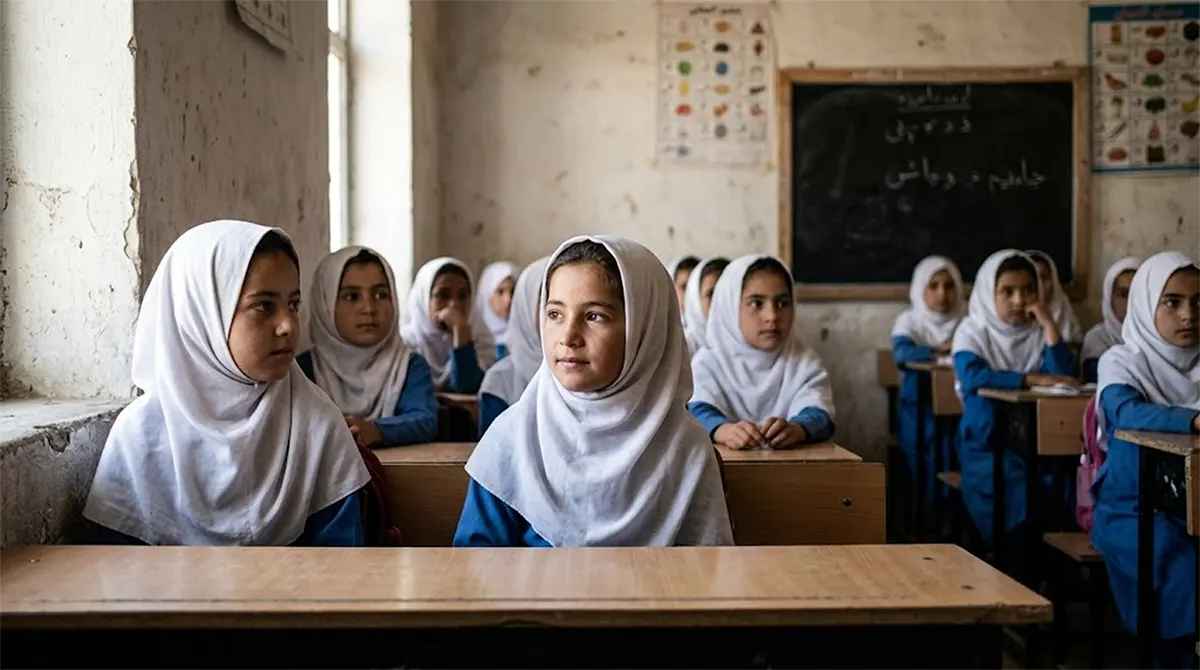
According to local reports, at least 86 people died, many of them students returning home.
Officials believe the vessel was overloaded and operating under dangerous conditions after dark, a common but risky practice across the country’s waterways.
Night navigation remains especially dangerous in remote parts of the DRC because many boats lack proper lighting systems, communication equipment, or trained operators.
For families in Basankusu, the disaster has left entire communities mourning the loss of young lives that never made it home.
Fire and Panic Strike a Second Boat on the Congo River
Just one day later, another major disaster unfolded in Lukolela territory along the Congo River.
A crowded passenger vessel carrying nearly 500 people reportedly caught fire before capsizing, triggering chaos and panic among passengers.
The Ministry of Humanitarian Affairs confirmed that at least 107 people died, while 146 others remain missing.
Rescue efforts managed to save around 209 survivors, many of whom were pulled from the water by local fishermen and emergency responders.
Witnesses described terrifying scenes as passengers jumped into the river trying to escape the flames.
The second tragedy intensified national outrage, with many citizens questioning why deadly river accidents continue happening so frequently across the country.
Rivers Remain the Lifeline of the DRC
The DRC is one of Africa’s largest countries, yet much of its transportation infrastructure remains severely underdeveloped.
With fewer than 3,000 miles of paved roads, rivers have become the primary transportation network for millions of people.
The Congo River and its tributaries are essential for:
- Passenger travel
- Food distribution
- Trade and commerce
- Access to schools and healthcare
- Transport between remote communities
But the heavy dependence on river transport has also created serious safety risks.
Many boats operating across the country are:
- Overloaded far beyond safe limits
- Poorly maintained
- Operating without life jackets
- Using outdated engines
- Traveling at night without navigation systems
In many cases, vessels also operate without formal registration or government inspection.
Public Anger Grows Over Safety Failures
Following the disasters, civil society groups and local activists accused authorities of failing to enforce basic maritime safety regulations.
Critics argue that these accidents are not isolated events but part of a wider pattern of systemic negligence and infrastructure failure.
Advocacy organizations are now demanding:
- Independent investigations into both accidents
- Accountability for officials responsible for safety oversight
- Stronger enforcement of passenger limits
- Better regulation of nighttime river travel
- Increased investment in transportation infrastructure
One regional activist said the deaths were entirely preventable and warned that similar disasters happen every year without meaningful reform.
Families Left to Carry the Burden Alone
Beyond the rising death toll, the human impact of the tragedies has devastated families across Equateur province.
Victims included students, traders, workers, parents, and children simply trying to travel between communities.
For many survivors, the emotional trauma is overwhelming.
Families searching for missing relatives continue gathering near riverbanks and rescue sites, hoping for answers.
In poorer regions of the DRC, losing a family member can also create severe financial hardship, especially when the victim was the primary source of income for the household.
Limited government support means many families are left to cope with the aftermath largely on their own.
Calls for International Support and Reform
The disasters have also renewed calls for greater international involvement in improving transportation safety in the DRC.
Humanitarian organizations and development agencies are being urged to help fund:
- Safer vessel construction
- Emergency rescue training
- Maritime safety education
- River tracking and monitoring systems
- Community emergency response programs
Some experts believe international pressure may be necessary to push long-term reform, especially in areas where safety laws already exist but are rarely enforced.
What Must Change to Prevent Future Tragedies
Transportation experts say the DRC needs urgent reforms to stop similar disasters from repeating.
Key recommendations include:
Enforcing Maritime Safety Laws
Passenger limits, mandatory life jackets, and stricter inspections must become non-negotiable across all river routes.
Expanding Road Infrastructure
Improving road networks would reduce the country’s heavy dependence on dangerous river travel.
Strengthening Emergency Response
River communities need trained rescue teams, emergency equipment, and faster disaster response systems.
Educating the Public About Boat Safety
Awareness campaigns could help communities better understand the risks of overcrowding and unsafe travel conditions.
Improving Transparency and Accountability
Families deserve accurate information, transparent investigations, and accountability when negligence contributes to deadly accidents.
A National Tragedy That Demands Action
The Congo River disasters have become a painful reminder of the dangers many Congolese face simply trying to move from one place to another.
For years, transportation safety warnings have been ignored while deadly accidents continued across the country’s waterways.
Now, after nearly 200 lives were lost in just two days, pressure is mounting on authorities to finally address the deeper structural problems behind these recurring tragedies.
Whether this moment leads to real reform or fades into another forgotten crisis may determine how many more lives are placed at risk in the future.