In the span of just a few weeks, America’s top public health agency has been turned upside down. The newly confirmed CDC director is gone. Senior scientists and department heads have walked out. And in their place, a political operative with no medical training whatsoever has been handed the keys to an agency responsible for protecting the health of 330 million people.
This isn’t a routine leadership shuffle. It’s a crisis and it’s happening at exactly the wrong time.
It Started With a Fight Over Vaccines
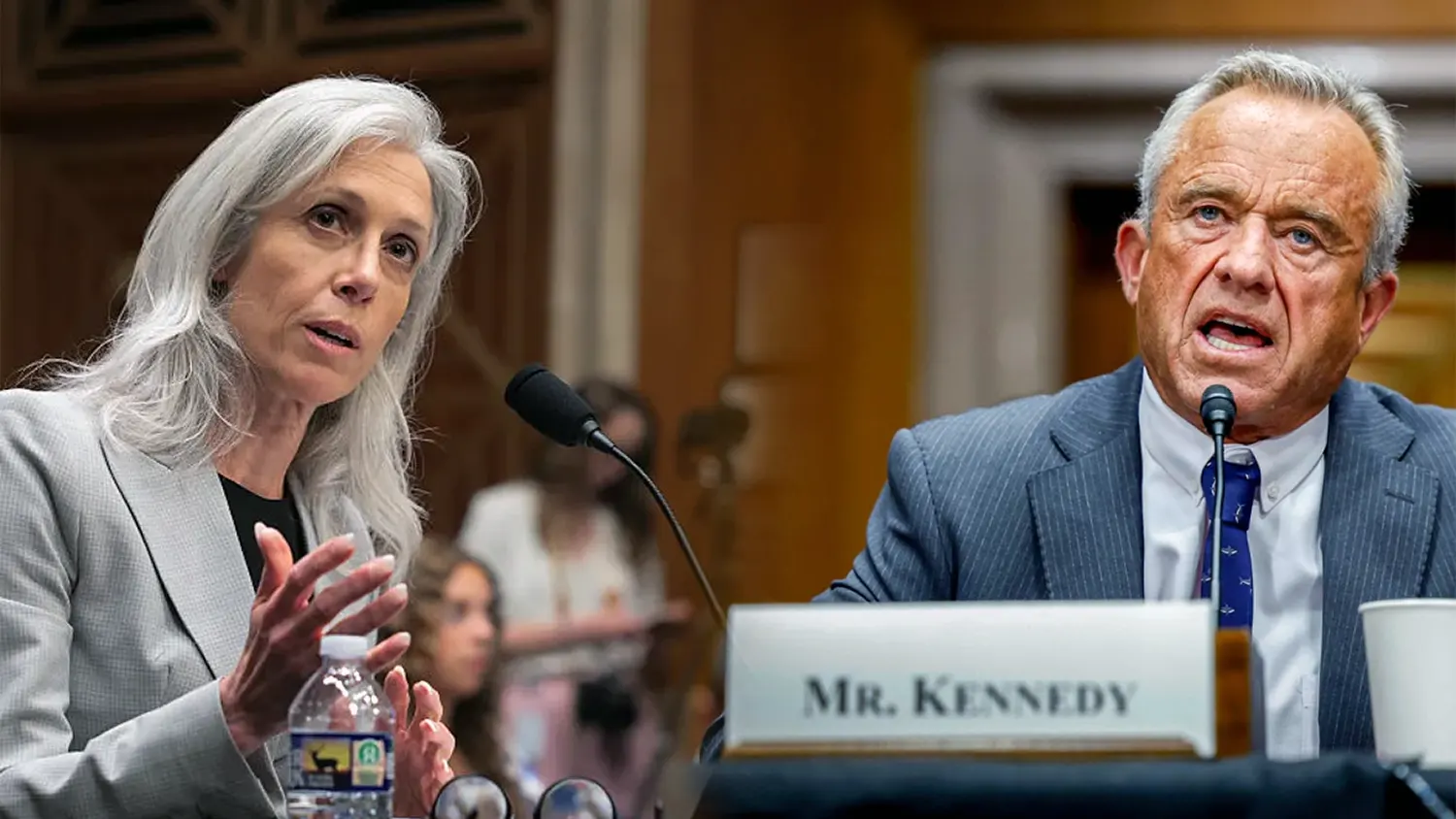
The chain of events traces back to a direct confrontation between CDC Director Dr. Susan Monarez and HHS Secretary Robert F. Kennedy Jr., who has spent decades publicly questioning mainstream vaccine science.
The flashpoint was the CDC’s Advisory Committee on Immunization Practices (ACIP) the independent panel of medical experts that sets the nation’s vaccine guidelines. Kennedy moved to replace several ACIP members with individuals critical of current vaccine safety recommendations. Monarez pushed back hard, reportedly warning that politicizing this panel would destroy public trust and decades of scientific credibility.
She was removed from her post less than a month after being confirmed.
Then the Resignations Started
Monarez’s ouster was the breaking point for the agency’s senior leadership. In the days that followed, a wave of high-profile resignations swept through the CDC including the deputy director and the head of the National Center for Immunization and Respiratory Diseases.
Their departure letters were damning. Officials accused Kennedy of sidelining experts, bypassing scientific protocols, and perhaps most alarming never once asking CDC experts to brief him on active public health threats during his tenure. That includes recent measles outbreaks and ongoing COVID-19 management questions.
“This isn’t just an internal personnel dispute,” one former CDC staffer said. “This is a deliberate dismantling of the systems that have kept Americans safe from health threats for generations.”
A Political Adviser Now Runs the CDC
To replace Monarez, Kennedy appointed Jim O’Neill, a longtime political adviser with no background in medicine, epidemiology, infectious disease, or any related scientific field as acting CDC director.
The public health community reacted with alarm.
“Placing a non scientist in charge of the CDC is akin to making a finance executive the head of FEMA during a hurricane,” said Dr. Lena Torres, a global health policy analyst. The concern isn’t abstract when a fast moving outbreak hits, the speed and quality of the CDC’s response depends entirely on scientific expertise at the top. Decisions made in the first hours and days of an outbreak can determine whether it stays contained or spirals into something far worse.
The CDC Was Already Struggling Before This
It’s important to understand that the CDC wasn’t walking into this moment from a position of strength. The agency’s reputation took real hits during the COVID-19 pandemic from inconsistent messaging on masks and transmission, to guidance that seemed to shift faster than the public could follow. Chronic underfunding had already left it stretched thin.
Public trust, once the CDC’s most powerful tool, had been quietly eroding for years. What’s happening now threatens to accelerate that erosion dramatically.
“Public confidence is the CDC’s most vital asset,” said Dr. Alan Chen, a professor of public health at Johns Hopkins University. “When people believe that guidance is shaped by political ideology rather than data, the damage to our collective health security can be profound and rebuilding that trust could take generations.“
This Isn’t Just America’s Problem
The CDC doesn’t just protect Americans. It functions as a cornerstone of global health security, partnering with the World Health Organization and health networks worldwide on disease surveillance, outbreak response, and vaccine distribution.
When the CDC is functioning well, it acts as an early warning system for the entire planet. When it’s weakened or when its credibility is in question that creates a dangerous gap in the global response infrastructure.
Avian influenza is still circulating. Novel coronaviruses continue to emerge. The world doesn’t get to pause while one country sorts out its internal politics.
What Happens Next Matters Enormously
The deeper question being asked in public health circles right now isn’t just about personnel. It’s about whether the CDC can function as a science led institution when political appointees are making decisions that were previously left to career scientists and medical experts.
If the answer is no if vaccine guidance, outbreak response protocols, and public health recommendations become filtered through a political lens, the consequences won’t stay inside the Beltway. They’ll show up in clinics, schools, and households across the country, in the form of preventable outbreaks, delayed responses, and a public that no longer knows who to trust when the next health crisis hits.
And there will be a next one. There always is.
The question is whether the CDC will be ready or whether it will still be picking up the pieces of this moment when it arrives.