A Critical Moment for Ukraine Peace Talks
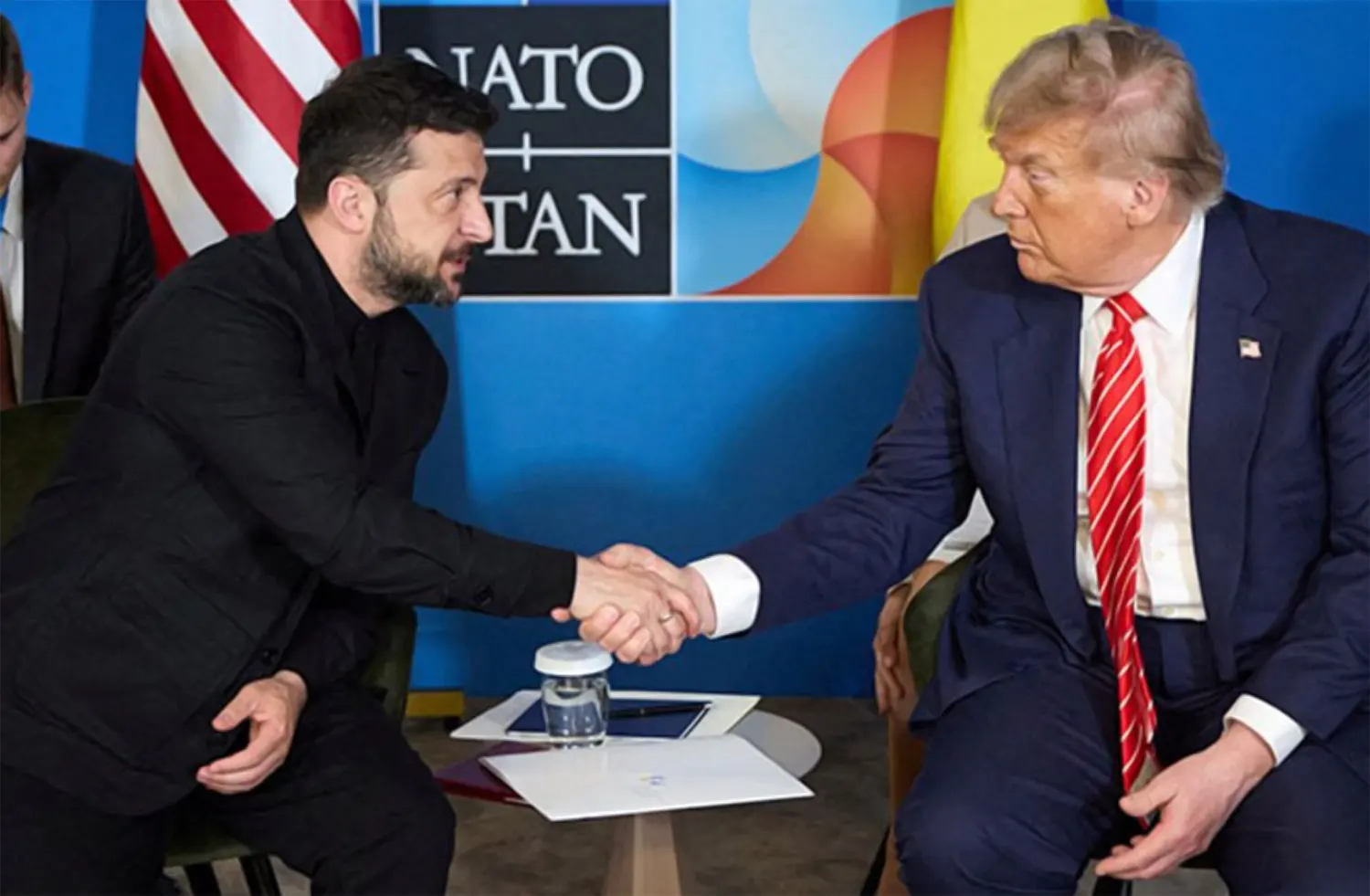
The future of the Ukraine war may hinge on a single meeting in Washington. Ukrainian President Volodymyr Zelenskyy is set to sit down with U.S. President Donald Trump to discuss a potential Ukraine peace agreement with Russia, a move that could reshape the trajectory of the conflict.
This high-level meeting comes at a delicate time. With ongoing fighting, mounting international pressure, and competing visions for peace, the stakes have rarely been higher.
Russia’s Proposal: Territorial Demands at the Center
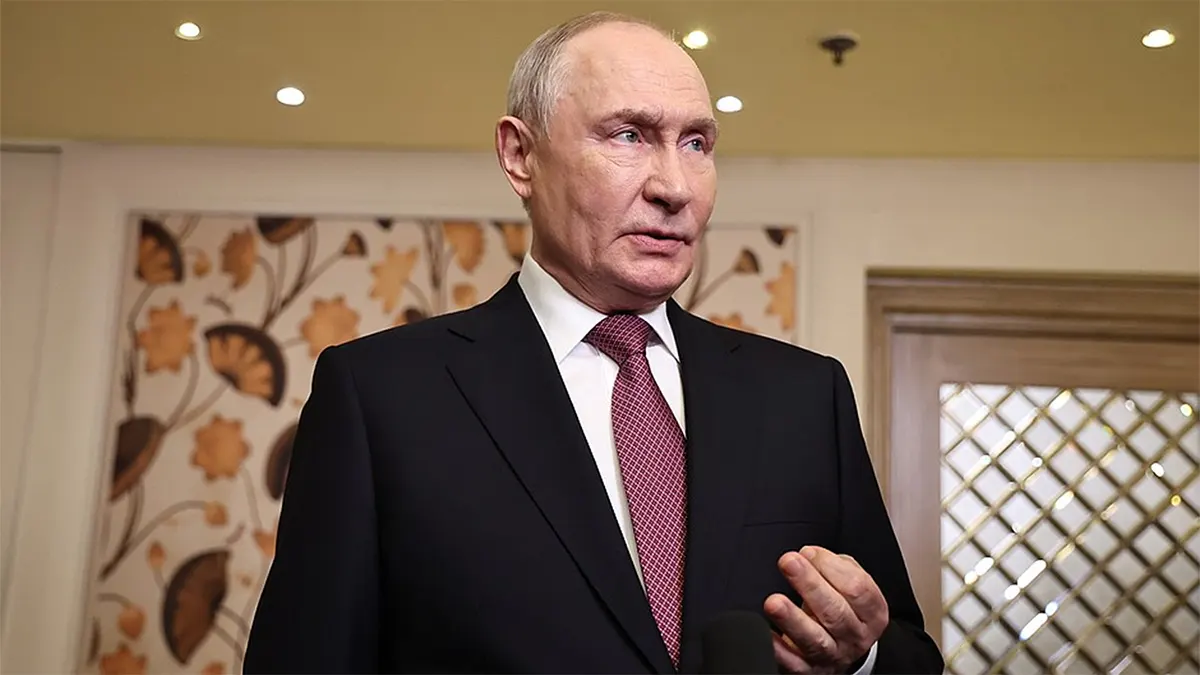
At the heart of the negotiations lies a contentious proposal from Vladimir Putin.
During a recent summit in Alaska, Putin reportedly outlined conditions for ending the war. These include full Russian control over the eastern regions of Donetsk and Luhansk, areas that have been central to the conflict since 2014.
In exchange, Russia is said to be willing to freeze front lines in southern regions, including Kherson and Zaporizhzhia, where control remains divided.
This proposal highlights a core challenge in the Ukraine peace talks: balancing territorial integrity with the push to end a prolonged war.
Zelenskyy’s Position: No Compromise on Sovereignty
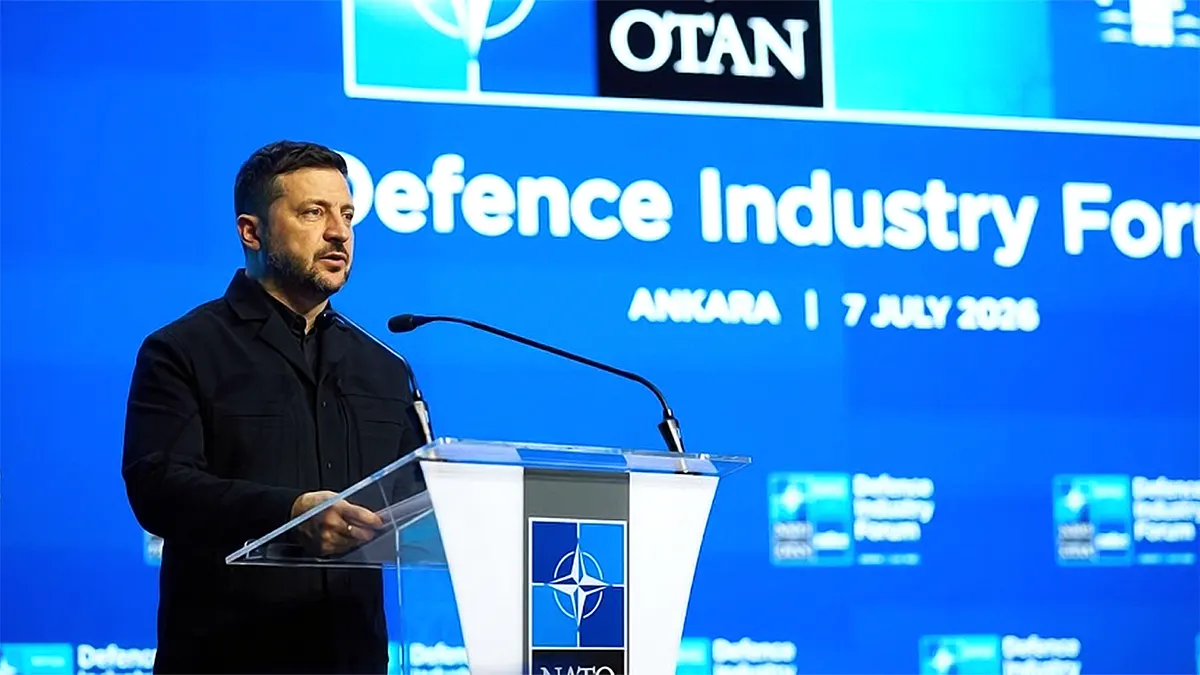
Zelenskyy has made his stance clear.
He has firmly rejected any agreement that involves ceding Ukrainian territory, emphasizing that peace cannot come at the cost of sovereignty. In public statements, he stressed that a “real peace” must include Ukraine’s direct participation in all negotiations.
Additionally, Zelenskyy has called for stronger international pressure on Russia. He warned that sanctions should be intensified if Moscow avoids meaningful dialogue or attempts to delay a genuine resolution.
This position reflects Ukraine’s broader strategy: maintain territorial integrity while increasing diplomatic and economic pressure on Russia.
Trump’s Approach: Push for a Comprehensive Deal
President Trump appears to be pursuing a different angle.
Rather than supporting a temporary ceasefire, he has signaled a preference for a comprehensive peace agreement that addresses the root causes of the conflict. This approach suggests a willingness to engage directly with both sides to broker a larger deal.
There are also indications that Trump is open to facilitating a trilateral meeting involving Zelenskyy and Putin, should initial discussions prove productive.
This strategy could accelerate negotiations but it also raises questions about how competing demands will be reconciled.
Europe’s Role: A Unified but Watchful Stance
While Washington takes center stage, European leaders are closely monitoring the situation.
A coordinated effort involving the United Kingdom, France, and Germany often described as a “coalition of the willing” has reaffirmed a key principle: Ukraine’s borders must not be changed by force.
Behind the scenes, these countries are working to align diplomatic positions ahead of the Washington meeting, ensuring that any agreement reflects broader European security concerns.
Their involvement underscores that the Ukraine conflict is not just a regional issue, it is central to the global security landscape.
What’s at Stake in the Ukraine Peace Talks
This meeting is more than a diplomatic formality, it is a turning point.
Several critical issues remain unresolved:
- Territorial control in eastern Ukraine
- Future security guarantees for Ukraine
- The role of sanctions and international pressure
Each of these factors will shape whether a deal is possible or whether the conflict continues.
The outcome of these talks could determine not only the future of Ukraine, but also the balance of power in Europe.
A Defining Test for Diplomacy
The upcoming meeting between Zelenskyy and Trump represents a pivotal moment in the Ukraine peace negotiations.
On one side, Russia is pushing for territorial concessions. On the other, Ukraine is standing firm on sovereignty. Meanwhile, the United States and its allies are trying to bridge the gap through diplomacy.
Whether this leads to a breakthrough or a stalemate remains uncertain but the consequences will be far reaching.
As the world watches, one thing is clear: the path to peace will depend on difficult compromises, strategic pressure, and sustained international engagement.
For those following global affairs, this is a moment worth watching closely because what happens next could redefine the future of the conflict.