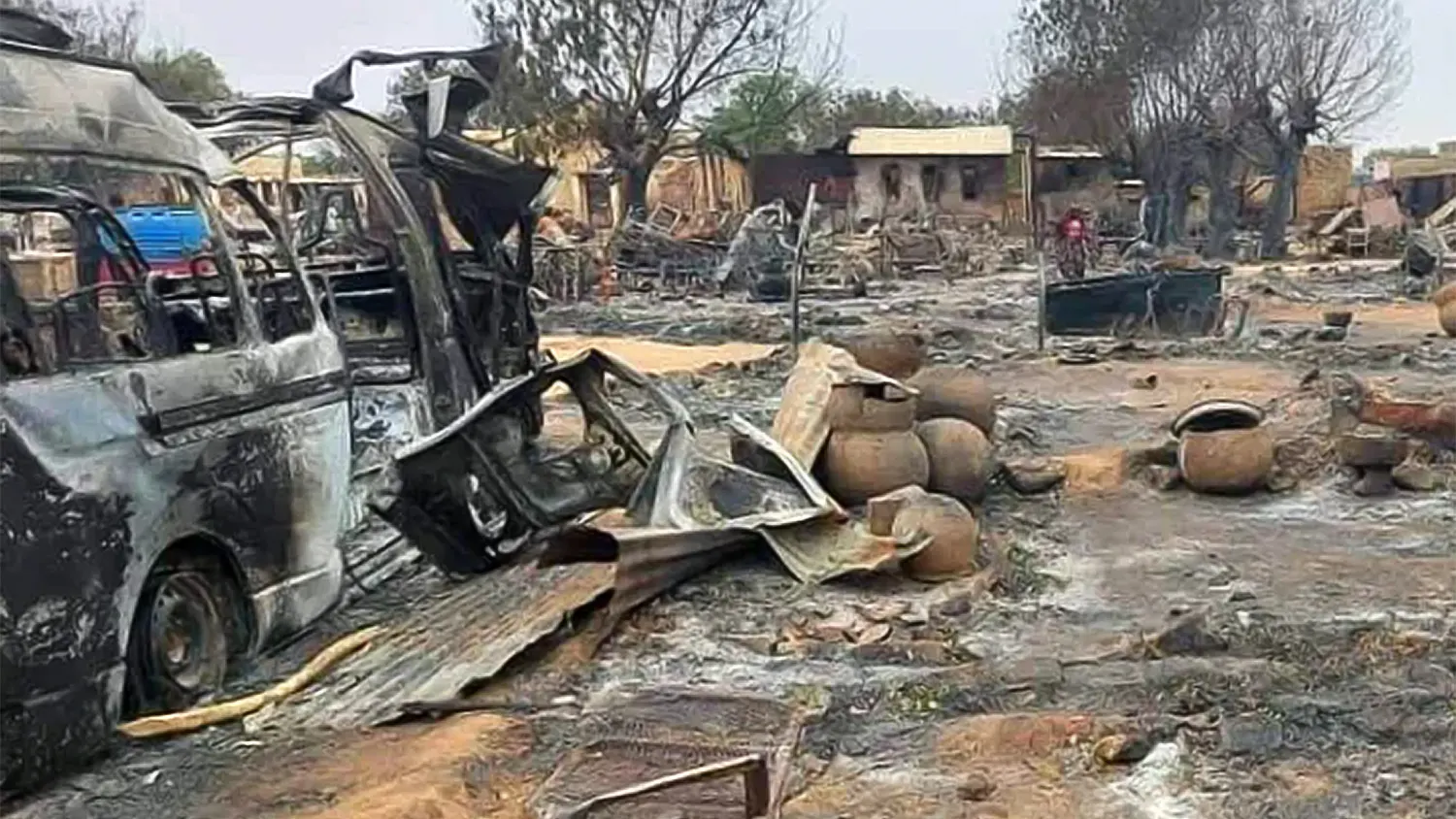
The United Nations human rights office has confirmed that at least 89 civilians were killed in a series of attacks carried out by the Rapid Support Forces (RSF) in North Darfur, Sudan, over a period of just ten days.
The majority of victims appear to be members of the Zaghawa tribe, a detail that has alarmed human rights observers, who warn the killings may be ethnically motivated.
What Happened and When
The UN spokesperson confirmed two separate waves of violence:
- August 11 — 57 people were killed in an attack on the Abu Shouk displacement camp, a site sheltering civilians who had already fled earlier violence
- August 16–20 — 32 more people were killed in and around the city of El Fasher and a nearby camp
Among the dead, at least 16 were killed in what the UN described as “summary executions”, the deliberate killing of people outside any legal process. Under international humanitarian law, summary executions are considered a serious war crime.
Also reported: at least 40 men were abducted from the Abu Shouk camp during the attacks. Their whereabouts remain unknown.
Who Are the Victims?
The overwhelming majority of those killed were from the Zaghawa, one of the major African tribes in the Darfur region. One member of the Berti tribe was also confirmed dead.
The pattern of targeting a specific ethnic group has drawn deep concern from human rights organizations, who have been documenting signs of ethnically motivated violence in the region for months.
El Fasher — A City Under Siege
The attacks are centered on El Fasher, currently the last major city in Darfur still held by the Sudanese army. The RSF has had the city under a tight blockade since July, cutting off access to food, medicine, and humanitarian aid.
The UN has warned that the blockade is pushing the population toward famine conditions, with aid convoys unable to enter and supplies running critically low.
For the civilians trapped inside many of them already displaced by earlier waves of fighting the situation is becoming increasingly desperate.
A War Marked by Atrocities
The violence in Darfur is part of a wider war between the Sudanese Armed Forces and the RSF that has been tearing the country apart. Darfur has consistently been one of the most brutal fronts in that conflict.
The UN and multiple international human rights organizations have documented a growing list of grave abuses including extrajudicial killings, sexual violence, and other war crimes committed in the region.
The International Criminal Court (ICC) has stated it is actively investigating reports of serious violations in Sudan, though accountability remains a distant prospect as the fighting continues.
The World Is Watching But Aid Is Not Getting Through
The international community has repeatedly called for a ceasefire and increased humanitarian access to Darfur. So far, those calls have gone largely unheeded.
With El Fasher blockaded, aid groups unable to reach those most in need, and the RSF continuing its offensive, the UN has warned that the region risks sliding into an even deeper humanitarian catastrophe.
For the people of Darfur many of whom have already lived through decades of conflict and displacement the latest wave of violence is yet another devastating chapter in a crisis the world has too often looked away from.