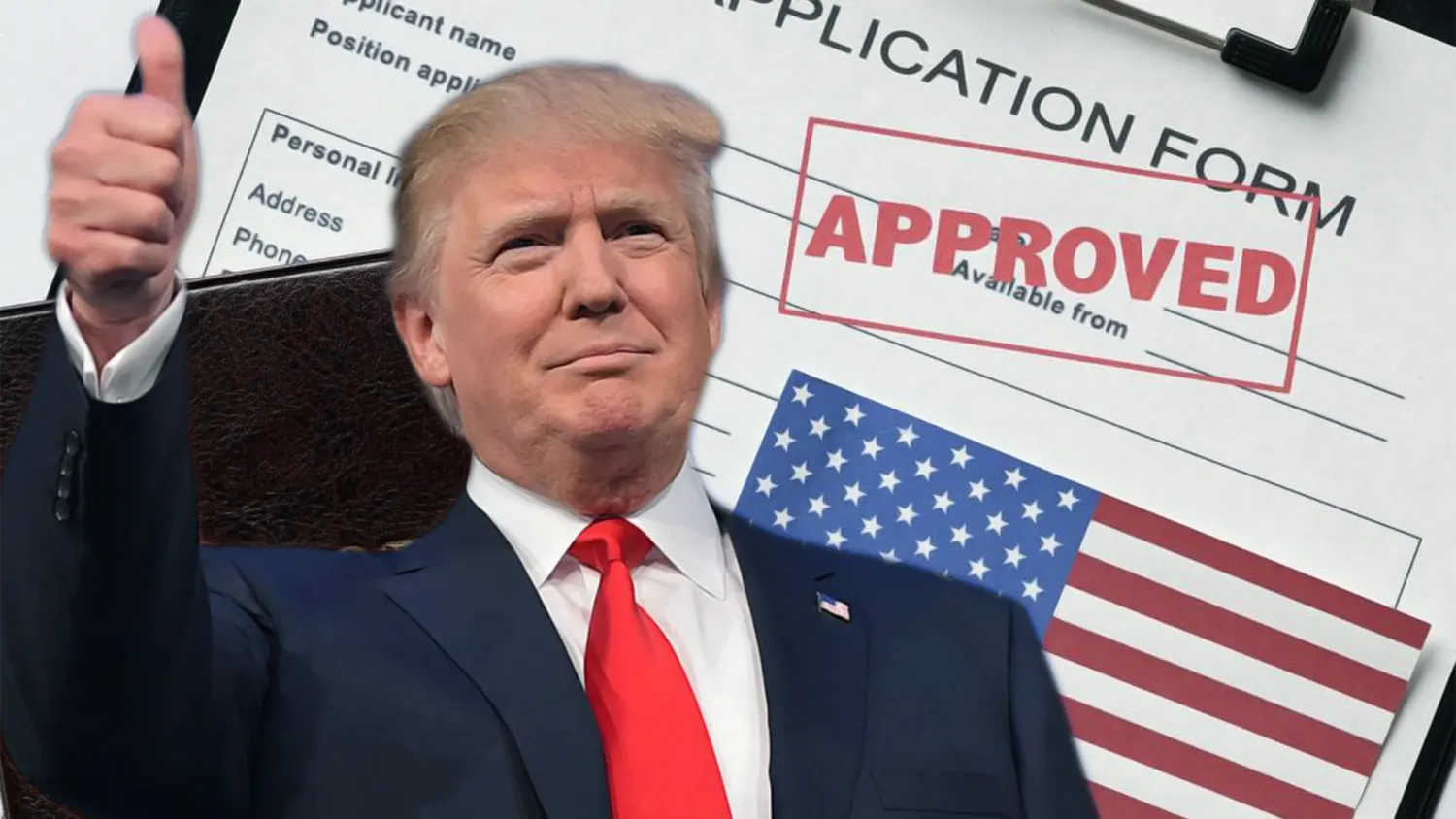
The US State Department has launched one of the largest immigration reviews in American history, a sweeping check of more than 55 million valid US visa holders around the world.
The move marks a major escalation in the Trump administration’s immigration crackdown, and it affects nearly every category of visa from tourists and students to workers and business travelers.
What Is “Continuous Vetting”?
In the past, background checks on visa holders happened mainly at the time of their application. That has now changed.
The State Department has confirmed that all visa holders are now subject to “continuous vetting” an ongoing monitoring process that doesn’t stop after a visa is granted. Officials are actively watching for:
- Visa overstays — staying in the US past the allowed date
- Criminal activity — any legal infractions after arrival
- Threats to public safety
- Any links to terrorism
If a violation is found at any point, the visa will be immediately revoked. If the person is already inside the United States, they will be subject to deportation.
What Are They Looking At?
The review goes far deeper than a standard background check. According to reports, the vetting process now includes:
- Social media profiles — a full review of online activity
- Home-country law enforcement records
- Immigration history from the visa holder’s home country
- Any violations of US law after arrival
The administration has also required visa applicants to disable privacy settings on their electronic devices to allow for data collection during the screening process a requirement that has drawn strong criticism from civil liberties groups.
How Did We Get Here?
The program originally started with a narrower focus specifically targeting student visa holders involved in activities the administration labeled as “anti American” or “antisemitic.”
Over 6,000 student visas have already been revoked in recent months alone.
But the scope has now expanded dramatically to cover all visa categories, representing a fundamental shift in how the US government monitors foreign nationals on its soil.
Since the current administration took office, the State Department has revoked more than twice as many visas as it did during the same period last year.
Who Is Raising Concerns?
The backlash has come from multiple directions.
Immigration rights advocates warn that vague terms like “anti American ideologies” could be applied inconsistently and potentially used to target people based on their political views or religion rather than actual wrongdoing.
Business leaders are also sounding the alarm, arguing that the aggressive vetting environment could discourage highly skilled global talent from choosing the United States for work or study giving competitor countries an advantage.
Civil liberties organizations have been particularly critical of the social media monitoring and the device privacy requirement, calling them overreaching and potentially unconstitutional.
What the Administration Says
The Trump administration has been unapologetic about the scale of the review.
Senior State Department officials have framed the program as a matter of national security, not convenience. One official put it bluntly: “Time is not my concern; the security of Americans is.”
The administration maintains that continuous vetting is necessary to protect the country and that any disruption to business, academic, or cultural exchange is a secondary concern.
What This Means for Visa Holders
If you currently hold a valid US visa or are planning to apply for one, this is the new reality:
- Your social media activity may be reviewed at any time
- Past or present violations, no matter how minor, could trigger a review
- Your visa can be revoked even after entry into the United States
- Applicants may be required to hand over access to personal devices
The program is still unfolding, and legal challenges are expected. But for now, the message from Washington is clear: holding a US visa no longer comes with the same assumptions of privacy or permanence it once did.