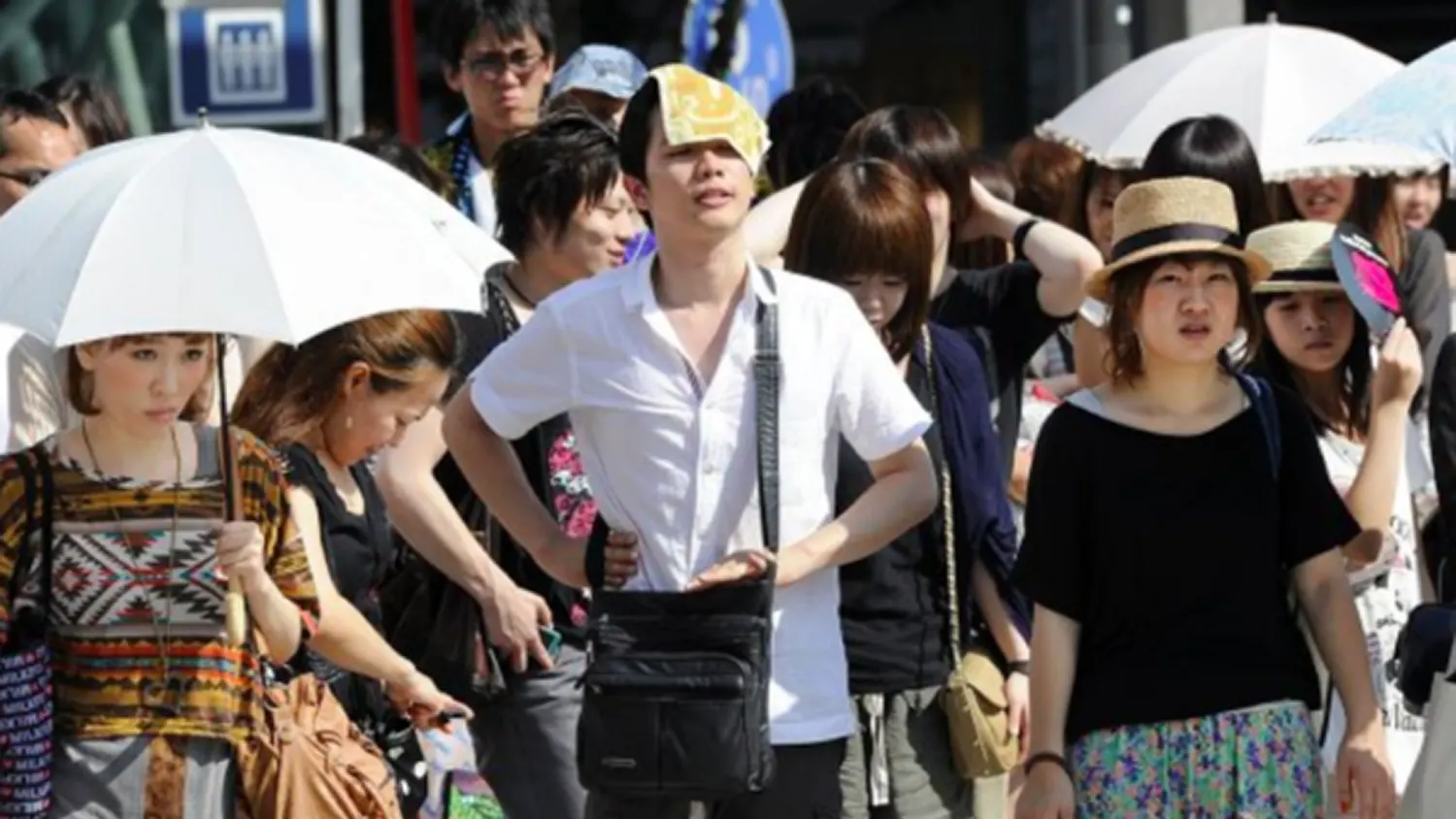
East Asia is currently enduring a severe and relentless heatwave, with Japan and South Korea experiencing record breaking temperatures, rising health risks, and growing economic concerns. What was once considered rare summer extremes is now becoming increasingly common highlighting the intensifying impact of global climate change.
Japan Shatters Temperature Records
Japan is facing one of the most extreme heat events in its recorded history. July has already been confirmed as the hottest on record in over 100 years, a troubling milestone that reflects a rapidly warming climate.
The situation escalated dramatically when the city of Isesaki recorded a staggering 41.8°C (107.2°F), the highest temperature ever recorded in the country. Remarkably, this record was broken just days after a previous high, underscoring how quickly conditions are worsening.
As temperatures continue to climb, authorities have issued widespread heatstroke alerts across most prefectures, urging residents to take immediate precautions.
Health Risks Rise as Heat Intensifies
The ongoing heatwave is not just uncomfortable, it is dangerous and potentially life threatening.
Officials are strongly advising people to:
- Stay hydrated throughout the day
- Limit outdoor activities during peak heat hours
- Use air conditioning or cooling centers whenever possible
Hospitals are already reporting an increase in heat related illnesses, including heat exhaustion and heatstroke. Vulnerable groups such as the elderly, children, and those with pre existing conditions face the highest risk.
Agriculture Under Pressure
Beyond immediate health concerns, the extreme heat is beginning to take a serious toll on Japan’s agricultural sector.
A combination of prolonged high temperatures and minimal rainfall is creating water shortages, affecting irrigation systems critical for rice production. Reports indicate that:
- Dams are running low
- Rice paddies are drying out
- Crop yields could be significantly reduced
This raises broader concerns about food security and economic stability, especially in regions heavily dependent on agriculture.
South Korea Faces Sleepless, Sweltering Nights
Neighboring South Korea is experiencing similarly harsh conditions, with its capital, Seoul, enduring an unprecedented stretch of 22 consecutive “tropical nights.”
A “tropical night” occurs when temperatures do not fall below 25°C (77°F) even overnight. This phenomenon is particularly dangerous because it prevents the body from recovering after extreme daytime heat.
The result is a population facing:
- Chronic sleep disruption
- Increased fatigue and stress
- Higher risk of heat related illnesses
Like Japan, South Korea has reported multiple heat related injuries and fatalities, emphasizing the seriousness of the crisis.
A Growing Climate Warning
This heatwave is more than a short-term weather event, it is part of a larger, troubling pattern.
Scientists warn that extreme weather events are becoming more frequent and more intense due to climate change. Heatwaves like this are expected to:
- Last longer
- Occur more often
- Affect larger populations
The current crisis in East Asia serves as a clear warning of what many regions around the world may increasingly face in the coming years.
Staying Safe in Extreme Heat
As the heat continues, residents in both countries are being urged to prioritize safety:
- Avoid direct sunlight during peak hours
- Drink water regularly, even if not thirsty
- Check on vulnerable family members and neighbors
- Seek immediate help if symptoms of heatstroke appear
Authorities stress that preparedness and awareness can save lives.
Looking Ahead
With no immediate relief in sight, Japan and South Korea remain on high alert. Meteorologists warn that temperatures could stay elevated in the coming days, prolonging the danger.
While short term measures are critical, experts agree that long term climate strategies will be essential to reduce the impact of such extreme events in the future.
Conclusion
The ongoing East Asia heatwave is a stark reminder that extreme heat is no longer an isolated event, it is becoming the new normal. From record-breaking temperatures to health emergencies and agricultural strain, the consequences are wide reaching.
As communities adapt to these harsh realities, one message remains clear:
the time to act both individually and globally is now.