A tragic shipwreck off the coast of Lampedusa has once again exposed the dangers of one of the world’s deadliest migration routes.
A migrant boat carrying dozens of people capsized in the Mediterranean Sea, leaving at least 27 people dead, including a one year old child, while many others are still missing.
The disaster is a stark reminder of the ongoing humanitarian crisis unfolding in the central Mediterranean, where desperate journeys often end in tragedy.
A Journey That Turned Fatal
The incident occurred about 14 miles off Lampedusa, in international waters.
According to survivors, the journey began with two boats departing from Libya. At some point during the crossing, one vessel began taking on water, forcing everyone onboard to transfer to a second boat, a smaller fiberglass craft.
That decision proved fatal.
Overcrowded and unstable, the boat could not withstand the pressure and eventually capsized, throwing passengers into open water with little chance to react.
What began as a risky journey quickly turned into a life or death struggle.
Rescue Efforts and the Search for Survivors
In the immediate aftermath, rescue operations were launched by the Italian Coast Guard and the EU border agency Frontex.
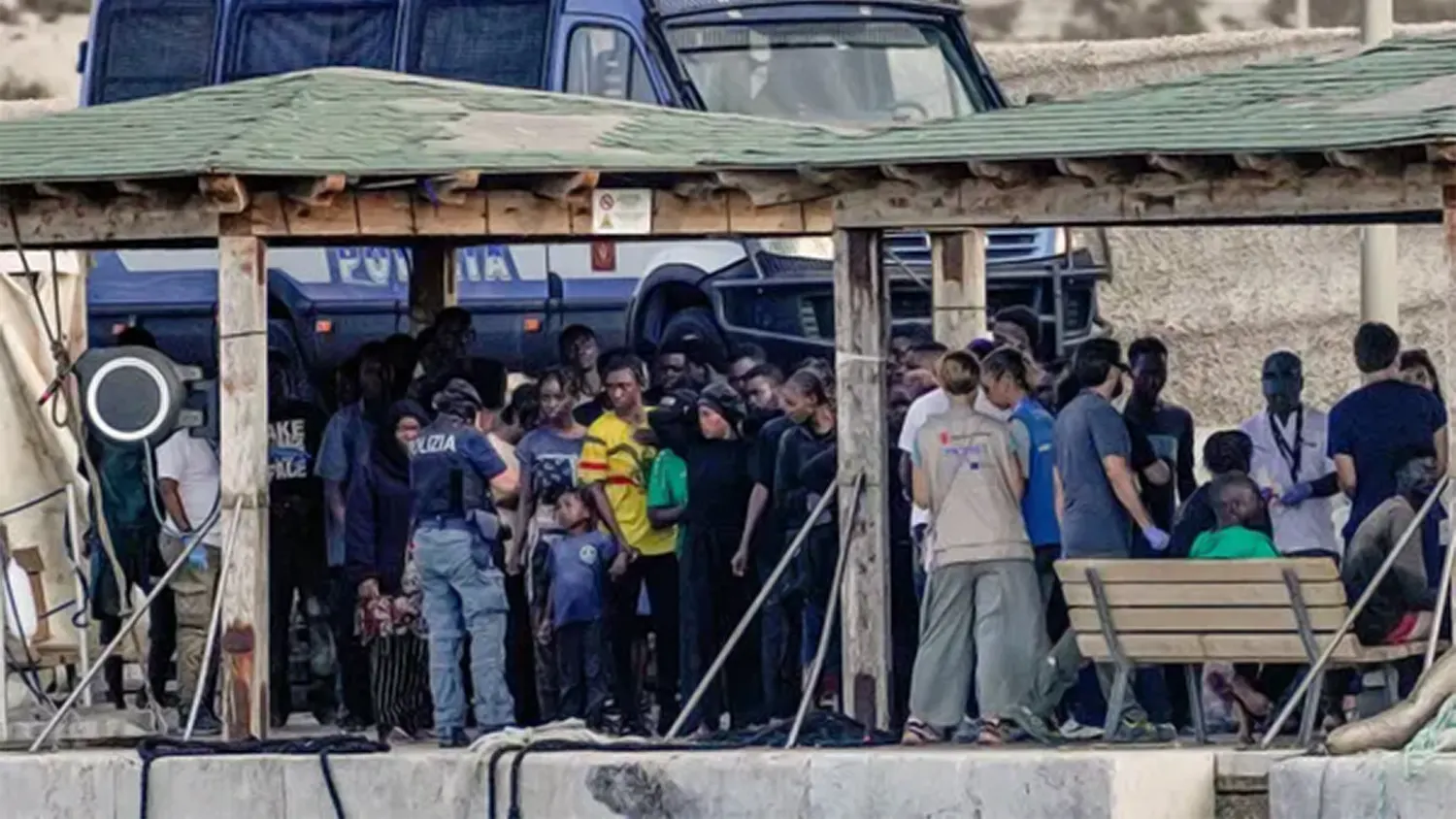
So far, 60 people have been pulled from the sea and brought safely to shore, with several requiring medical treatment for minor injuries. Survivors have been transferred to a reception center on the island as authorities continue to gather information.
Despite these efforts, the situation remains uncertain.
Search operations are still ongoing, as officials race against time to locate those who may still be missing in the water.
The Human Cost Behind the Numbers
The confirmed death toll stands at 27, but that number could rise as search efforts continue. Among the victims are a one year old girl and three teenagers, underscoring the devastating human cost of the tragedy.
Survivors and victims are believed to come from countries including Pakistan, Somalia, and Sudan.
Each represents a personal story of risk, hope, and desperation, driven by the search for safety or a better life.
For many, this journey was seen as the only option.
A Route Marked by Danger
The central Mediterranean crossing, particularly between North Africa and southern Europe, remains one of the most dangerous migration routes in the world.
According to the UNHCR, at least 675 migrants have died along this route so far this year alone.
These repeated tragedies are not accidental. They are the result of a system where overcrowded boats, human smuggling networks, and unpredictable sea conditions intersect.
Despite the risks, people continue to attempt the crossing, often with no safer alternatives available.
Why These Tragedies Continue
This latest disaster reflects a broader and persistent crisis.
Migrants frequently rely on fragile, overcrowded vessels because legal and safe migration pathways remain limited. As a result, smugglers fill the gap, offering dangerous crossings that put lives at risk.
At the same time, efforts to control migration have not eliminated these journeys. Instead, they have often made them more hazardous.
The outcome is a cycle of risk that continues to claim lives year after year.
A Crisis Without Easy Answers
The capsizing near Lampedusa is not an isolated tragedy, it is part of a much larger pattern.
The Mediterranean has become both a route of hope and a place of loss, where thousands continue to risk everything for a chance at a different future.
While rescue operations save lives in the moment, they do little to address the deeper causes driving migration.
Until those root issues are confronted, these tragedies are likely to continue repeating a story the world has seen too many times before.