A Saudi doctor living in Germany has been formally charged over the deadly Magdeburg Christmas market attack, one of the most shocking acts of mass violence in recent German history.
German prosecutors have filed charges against the 50 year old suspect, who holds permanent residency in Germany. He now faces six counts of murder, 338 counts of attempted murder, and 309 counts of bodily harm.
What Happened in Magdeburg?
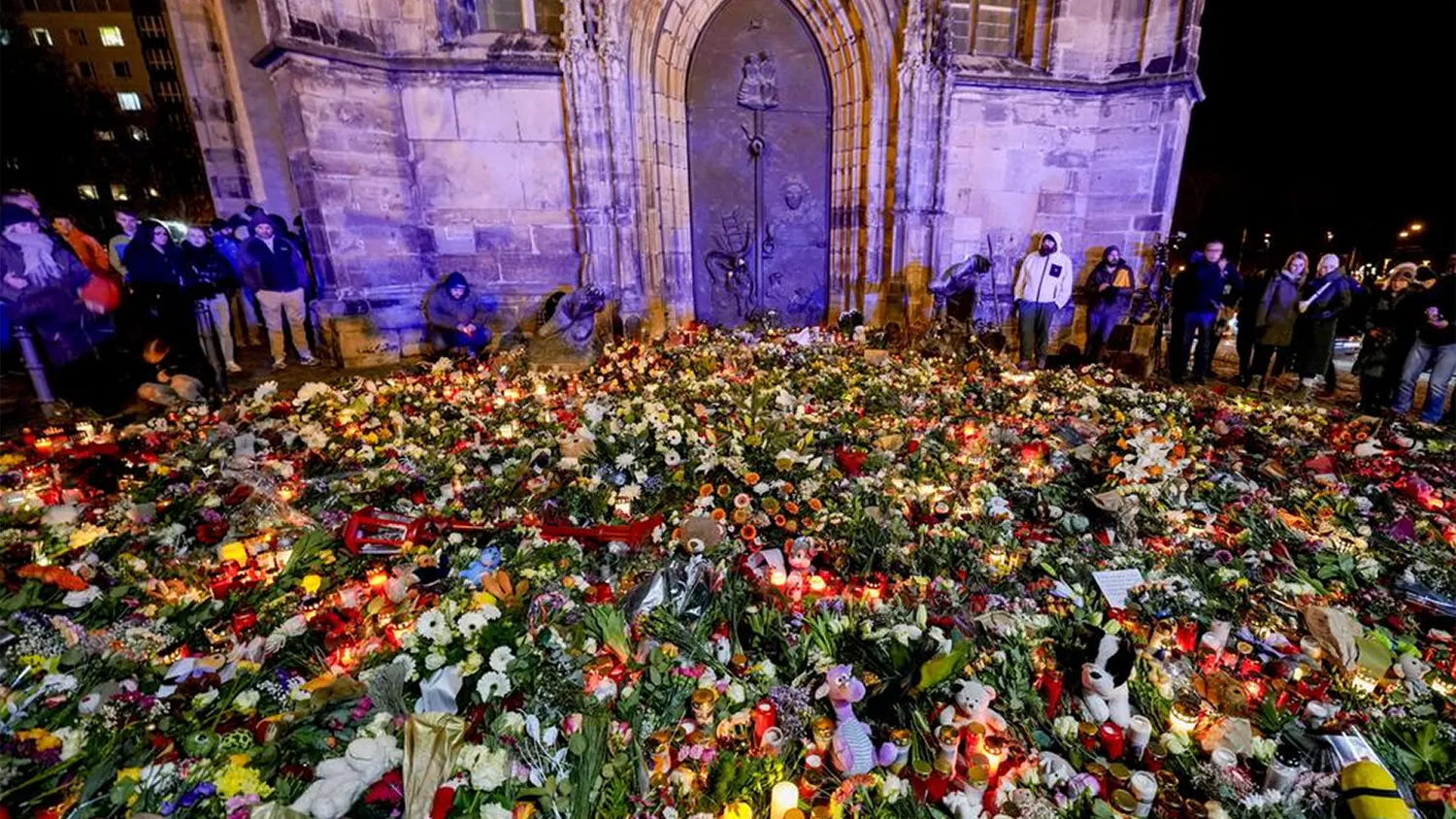
On December 20, 2024, a car was deliberately driven into a crowd at Magdeburg’s busy Christmas market. The attack killed five women and one boy, and left hundreds of others wounded. The suspect was arrested at the scene.
It was a night that shook Germany and sparked a broader conversation about public safety, threat detection, and radicalization.
What Prosecutors Say
According to investigators, this was not a spontaneous act. The attack was planned over several weeks, and the suspect was confirmed to be sober at the time ruling out any claim of impaired judgment.
So what drove him to do it?
Prosecutors say the motive was rooted in personal frustration specifically, his deep dissatisfaction with the outcome of a civil law dispute and his repeated failure to get traction through criminal complaints. In short, he felt the system had failed him, and he chose violence as his response.
A Complicated Profile
What makes this case particularly difficult to categorize is the suspect’s background and online activity.
He doesn’t fit the typical profile of an extremist terrorist. Yet authorities noted that he had previously posted anti Islam and far right sentiments on social media, and had a history of making threats.
This creates a murky picture a man driven by personal grievance, but with ideological undertones that can’t be ignored. It’s the kind of case that challenges how law enforcement and the public define and classify politically motivated violence.
What Happens Next?
With charges now formally filed, the case moves toward a full criminal trial, where prosecutors will lay out the complete details of how the attack was planned and carried out.
The trial is expected to draw significant attention not just because of the scale of the attack, but because of the difficult questions it raises about early warning signs, online radicalization, and the thin line between personal crisis and ideological extremism.
For the families of the six people killed and the hundreds injured, the courtroom will be the next chapter in a tragedy that began on a night meant for celebration.