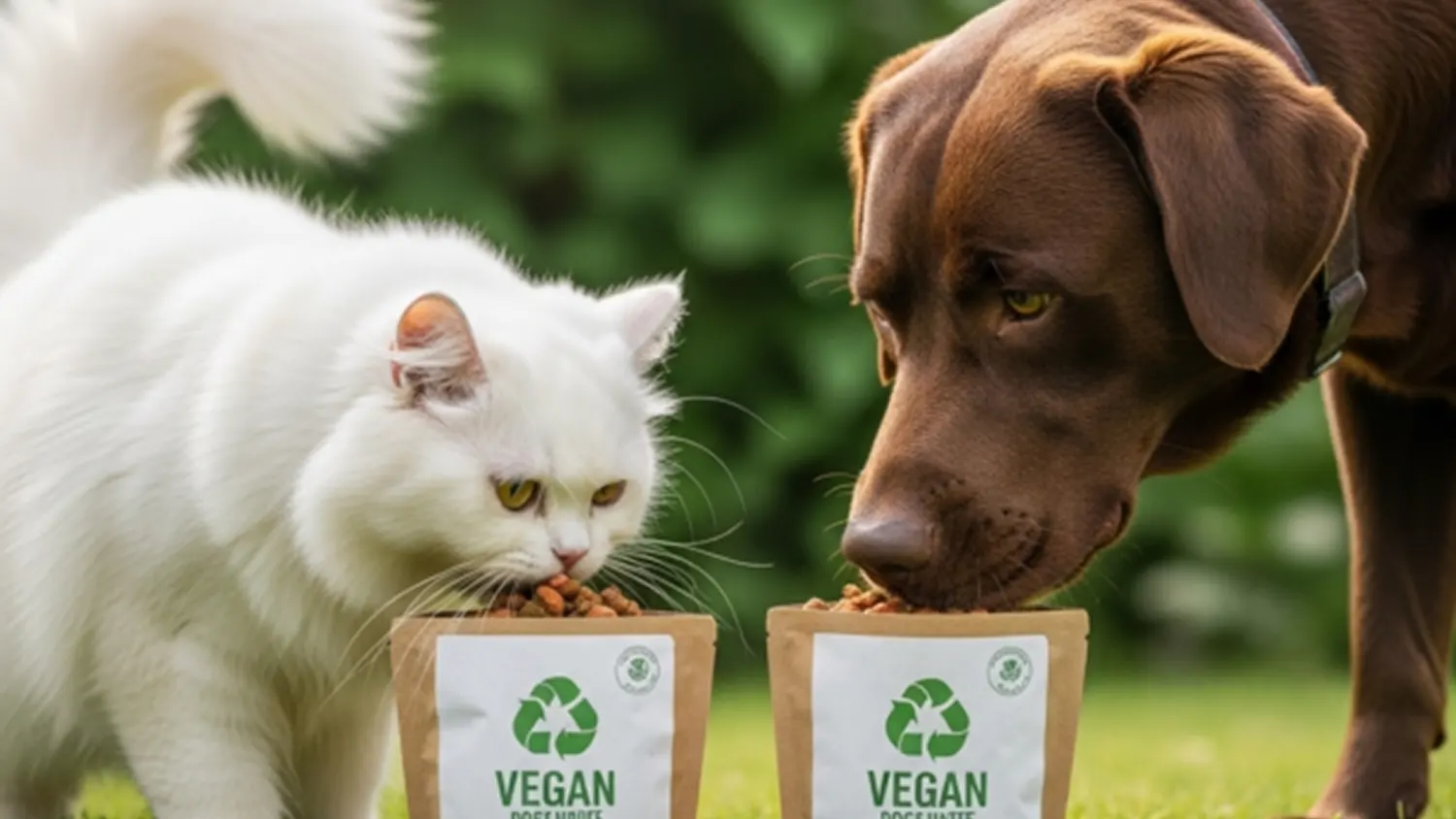
A Transformational Shift in the Pet Care Industry
The global pet care industry is undergoing a profound transformation, one shaped by changing consumer values, environmental urgency, and rapid technological innovation.
At the heart of this shift are two powerful forces: the growing demand for vegan pet food and the push for sustainable packaging solutions. Together, they are redefining how pet owners feed and care for their animals.
From Niche to Mainstream: Vegan Pet Food Surges
What was once a fringe idea is now becoming a major market force. The vegan pet food market is projected to reach nearly $20 billion by 2025, reflecting explosive growth and rising global demand.
Why Pet Owners Are Making the Switch
Several key factors are driving this trend.
1. The Humanization of Pets
Pets are no longer just animals, they are family members. As a result, many owners are extending their own ethical and dietary choices to their pets.
For those embracing plant based lifestyles, feeding pets vegan diets feels like a natural extension of their values.
2. Environmental Concerns Take Center Stage
Beyond personal values, there is a growing awareness of the environmental impact of traditional pet food.
Studies in 2025 revealed that meat-based pet diets contribute significantly to greenhouse gas emissions, land use, and resource consumption. In fact, experts suggest that shifting dogs to nutritionally balanced vegan diets could reduce global emissions on a massive scale potentially exceeding the annual output of entire nations.
This raises an important question: can feeding pets differently help fight climate change? Increasingly, the answer appears to be yes.
3. A Focus on Health and Wellness
Modern pet owners are also prioritizing health focused nutrition.
Plant based pet foods are often:
- Lower in fat and calories
- Free from common allergens found in some animal proteins
- Designed to support overall well being
For pets with sensitivities or allergies, these formulations offer a compelling alternative.
4. Breakthroughs in Protein Innovation
One of the biggest barriers to vegan pet food has been nutritional completeness but that
is rapidly changing.
Thanks to advances in food technology, new protein sources are transforming the market:
- Microbial protein, produced through fermentation, delivers complete amino acid profiles comparable to meat
- Products like Microbell are pioneering this space with highly digestible, nutrient-dense alternatives
- Expanded plant proteins such as pea, lentil, and fava bean are improving both nutrition and variety
These innovations are making vegan pet food not just viable but scientifically robust and sustainable.
Packaging with Purpose: The Sustainability Push
Alongside dietary changes, there is a growing expectation for eco friendly packaging.
The sustainable pet food packaging market is expected to reach $5 billion in 2025, growing steadily as consumers demand greener solutions.
Key Innovations Driving Change
Recyclable and Recycled Materials
Brands are increasingly adopting:
- Recyclable packaging films
- Paper based pouches
- Plastics made with post consumer recycled materials (rPET, rHDPE)
Efforts are also underway to create mono material packaging, which simplifies recycling and reduces contamination.
Compostable and Biodegradable Options
For certain products, especially dry foods, compostable materials are gaining traction.
These include:
- PLA (plant based plastics)
- PHA (biodegradable polymers)
Such materials are designed to break down naturally, helping reduce landfill waste.
Reducing Waste Through Smarter Design
Sustainability isn’t just about materials, it’s also about using less of them.
- Lightweight flexible pouches reduce transportation emissions
- Minimalist designs cut unnecessary packaging
- Smaller formats lower overall resource use
The Rise of Refillable and Circular Models
Some forward thinking brands are exploring refillable packaging systems, allowing consumers to reuse containers instead of discarding them.
This represents a shift toward a circular economy, where waste is minimized and resources are reused.
Smart Packaging and Transparency
Technology is also making packaging more intelligent.
- QR codes provide transparency about sourcing and ingredients
- Freshness sensors help monitor product quality and reduce food waste
These features give consumers greater confidence and control.
A New Standard for Pet Care
Taken together, these changes represent more than just trends, they signal a fundamental shift in the pet care industry.
Beyond convenience and cost, today’s pet owners are prioritizing ethics, sustainability, and health. They want products that align with their values not just for themselves, but for their pets and the planet.
The Green Paw Revolution
As innovation continues and awareness grows, the future of pet care is becoming clearer.
The combination of plant based nutrition and sustainable packaging is setting a new standard, one that balances animal well-being, environmental responsibility, and scientific advancement.
Ultimately, this “green paw revolution” is not just reshaping what pets eat, it’s redefining how we care for the world they live in.