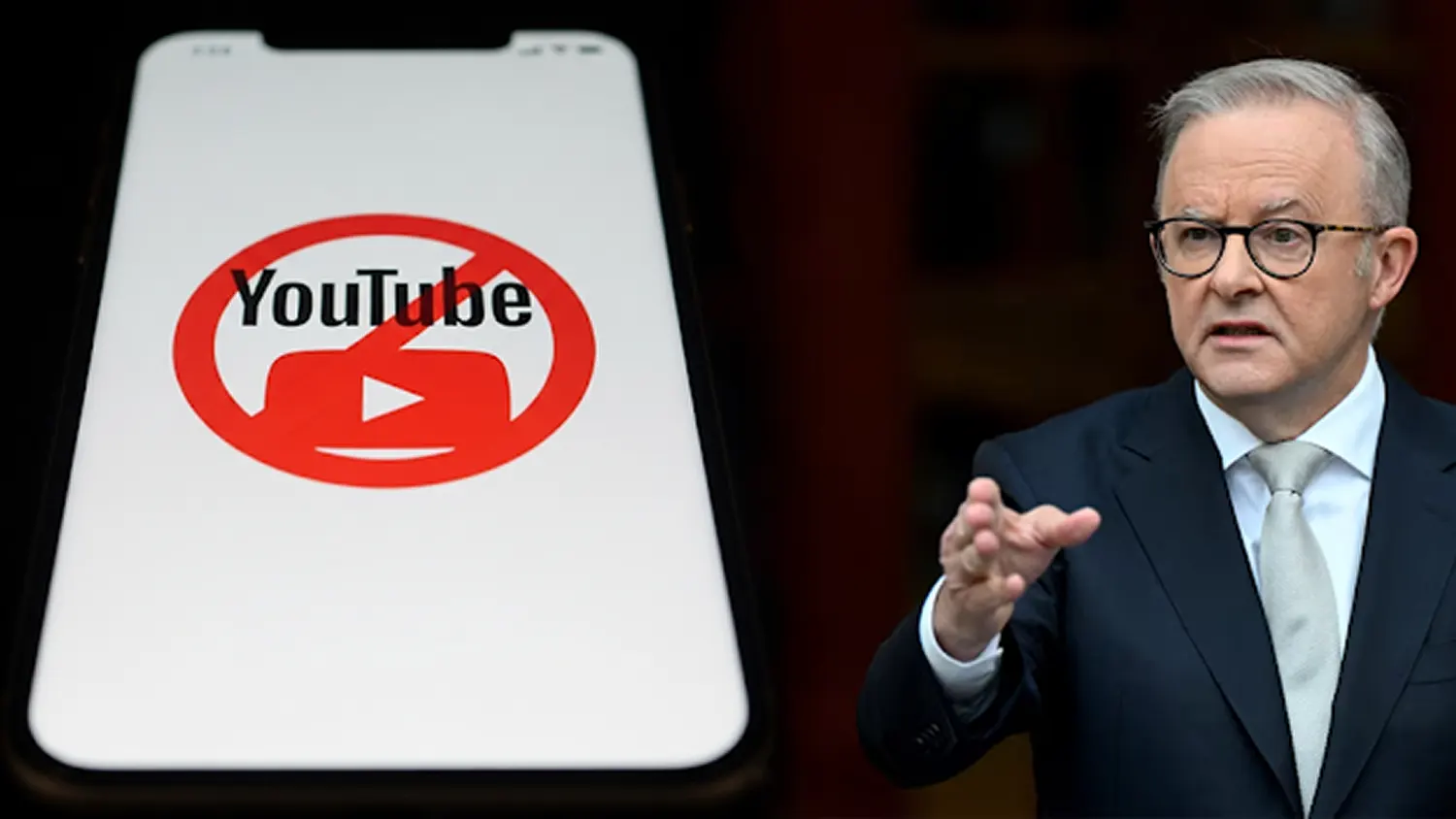
In a landmark move aimed at strengthening child online safety, Australia has announced a nationwide ban on YouTube accounts for users under 16, set to take effect on December 10, 2025.
The policy marks a significant expansion of existing social media restrictions and reflects growing global concern over the impact of digital platforms on children’s mental health, development, and well being.
Why Australia Is Targeting YouTube
The decision follows mounting recommendations from the country’s eSafety Commissioner, who has warned about the increasing risks associated with platforms traditionally viewed as entertainment rather than social media.
Authorities now argue that YouTube functions similarly to social platforms, particularly due to its algorithm-driven content delivery and user engagement features.
Key Concerns Behind the Ban
- Exposure to harmful content: Children are increasingly encountering inappropriate material, including violent, explicit, or misleading content
- Mental health risks: Studies link excessive platform use to anxiety, depression, and low self-esteem
- Addictive algorithms: Personalized recommendations and infinite scrolling are designed to maximize engagement, often at the expense of well being
- Premature exposure to adult themes: Critics argue social media accelerates the loss of childhood developmental space
Prime Minister Anthony Albanese emphasized that the government is acting decisively, stating that “social media is doing social harm” and that protecting young Australians is a top priority.
Educational Impact: Risks and Disruptions
While the policy aims to protect, it also introduces significant challenges for education systems and students.
Potential Challenges
- Reduced access to educational content: YouTube hosts a vast library of tutorials, lectures, and explainers across subjects
- Digital literacy gap: Limiting access may reduce opportunities to develop critical online navigation and evaluation skills
- Restricted creative expression: Many young users rely on the platform for content creation and self expression
- Migration to less regulated platforms: Critics warn younger users may shift to less safe digital spaces
- Equity concerns: Differences in parental supervision and access could widen educational inequalities
Opportunities for a Safer Digital Ecosystem
Despite concerns, the policy also creates opportunities for rethinking digital engagement and education.
Potential Benefits
- Refocus on traditional learning: Reduced screen time may improve attention, reading, and classroom engagement
- Stronger digital literacy programs: Schools may adopt structured curricula focused on online safety and critical thinking
- Encouragement of offline interaction: More face to face engagement can support social and emotional development
- Innovation in child safe platforms: The ban may drive the creation of safer, education focused digital environments
- Greater parental involvement: Families may take a more active role in managing children’s digital habits
A Global Case Study in Digital Regulation
Australia’s decision represents a major regulatory milestone in addressing the risks of digital platforms for minors.
However, experts stress that long term success will depend on more than restrictions alone.
Key Priorities Moving Forward
- Developing effective age verification systems that protect privacy
- Investing in comprehensive digital education programs
- Supporting research on platform and algorithm impacts
- Promoting shared responsibility between governments, tech companies, and families
What This Means for the Future
The YouTube ban highlights the growing tension between digital access and child protection in an increasingly connected world.
As other nations observe closely, Australia’s approach may become a blueprint for future global regulations, shaping how societies balance technology, education, and childhood development in the years ahead.