FIFA World Cup 2026: A Historic Tournament Marred by Ticket Controversy
The FIFA World Cup 2026 is set to be historic, marking the first time the tournament is co-hosted by three nations across North America: the United States, Mexico, and Canada. However, what should be a celebration of football is facing intense scrutiny from fans worldwide due to controversial ticket pricing.
Co-Hosts & Host Cities
- United States (11 host cities): Atlanta, Boston, Dallas, Houston, Kansas City, Los Angeles, Miami, New York/New Jersey, Philadelphia, San Francisco Bay Area, Seattle.
- Mexico (3 host cities): Guadalajara, Mexico City, Monterrey.
- Canada (2 host cities): Toronto, Vancouver.
While fans eagerly anticipate matches across these cities, ticket costs have sparked outrage, overshadowing the excitement.
Core Controversies Regarding Ticket Prices
1. “Extortionate” Price Hikes
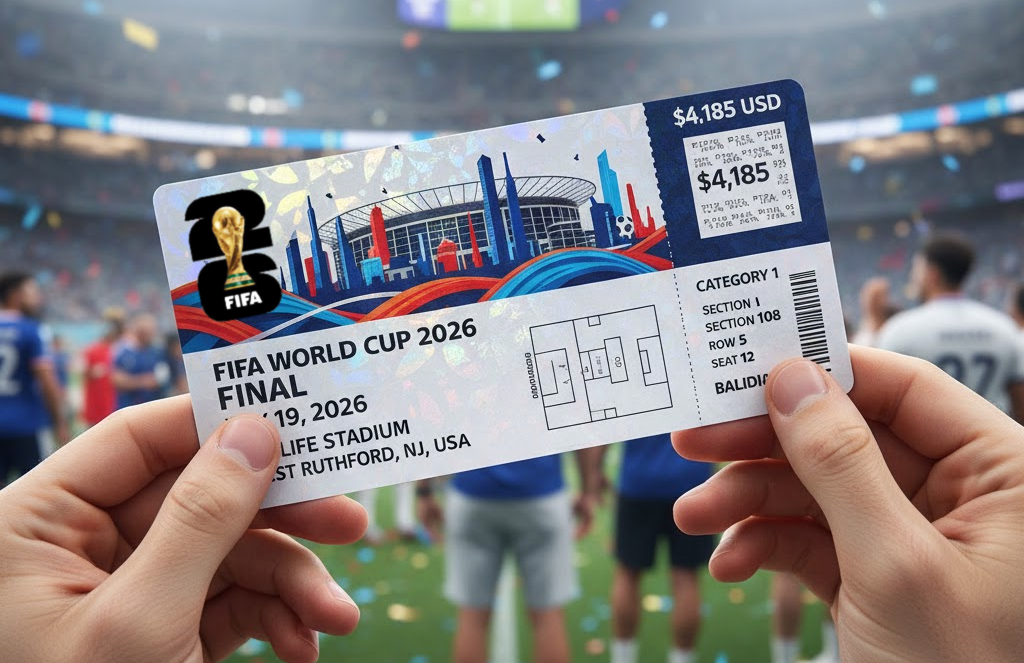
- Final Match Costs: For the final at MetLife Stadium, the cheapest tickets allocated for national team fans (PMA allocation) are priced at approximately $4,185 (£3,120).
- Comparison to Qatar 2022: This represents a five- to seven-fold increase over the cheapest tickets for the 2022 World Cup Final in Qatar, which were around $600.
- Total Fan Cost: Football Supporters Europe (FSE) calculated that a dedicated fan following their team from the first match to the final could spend over $6,900 on tickets alone, excluding flights and accommodations across three countries.
2. Dynamic Pricing and Lack of Transparency
- First Time Use: FIFA is introducing dynamic pricing for general ticket sales, meaning prices fluctuate based on demand and fixture attractiveness.
- Uneven Group Stage Prices: Fans may pay different amounts for the same category tickets depending on the teams playing, which FSE argues lacks transparency.
3. Abandoning the “Fan First” Tier
- Category 4 Tickets: Traditionally reserved for loyal, traveling supporters, the lowest-priced tickets are now part of the general sales pool. This leaves dedicated fans without access to the most affordable seats.
4. Broken Promises from the Bid
- When the US, Canada, and Mexico won the bid in 2018, they promised some tickets as low as $21 for early matches and a full tournament journey at approximately $2,242. Current pricing far exceeds these promises, prompting accusations that FIFA has abandoned the World Cup’s accessibility and universality.
Fan Response
Fan groups, including FSE and the English Football Supporters’ Association (FSA), have condemned the pricing as “extortionate” and a “monumental betrayal” of football’s traditional support base. They have demanded FIFA halt all ticket sales and engage in meaningful consultation to revise the pricing model.
Despite backlash, FIFA reported over 5 million ticket requests in the first 24 hours of sales, showing that while criticism is strong, the World Cup brand remains in massive demand.
Strategic and Cultural Implications
- The 2026 World Cup is historically significant due to its multi-nation hosting and expanded format, but soaring ticket prices threaten fan engagement and accessibility.
- FIFA’s introduction of dynamic pricing and the removal of “Fan First” allocations could alienate core supporters, potentially eroding the traditional fan culture that underpins football globally.
- How FIFA responds to this backlash may influence perceptions of the governing body in future World Cups and global football governance debates.