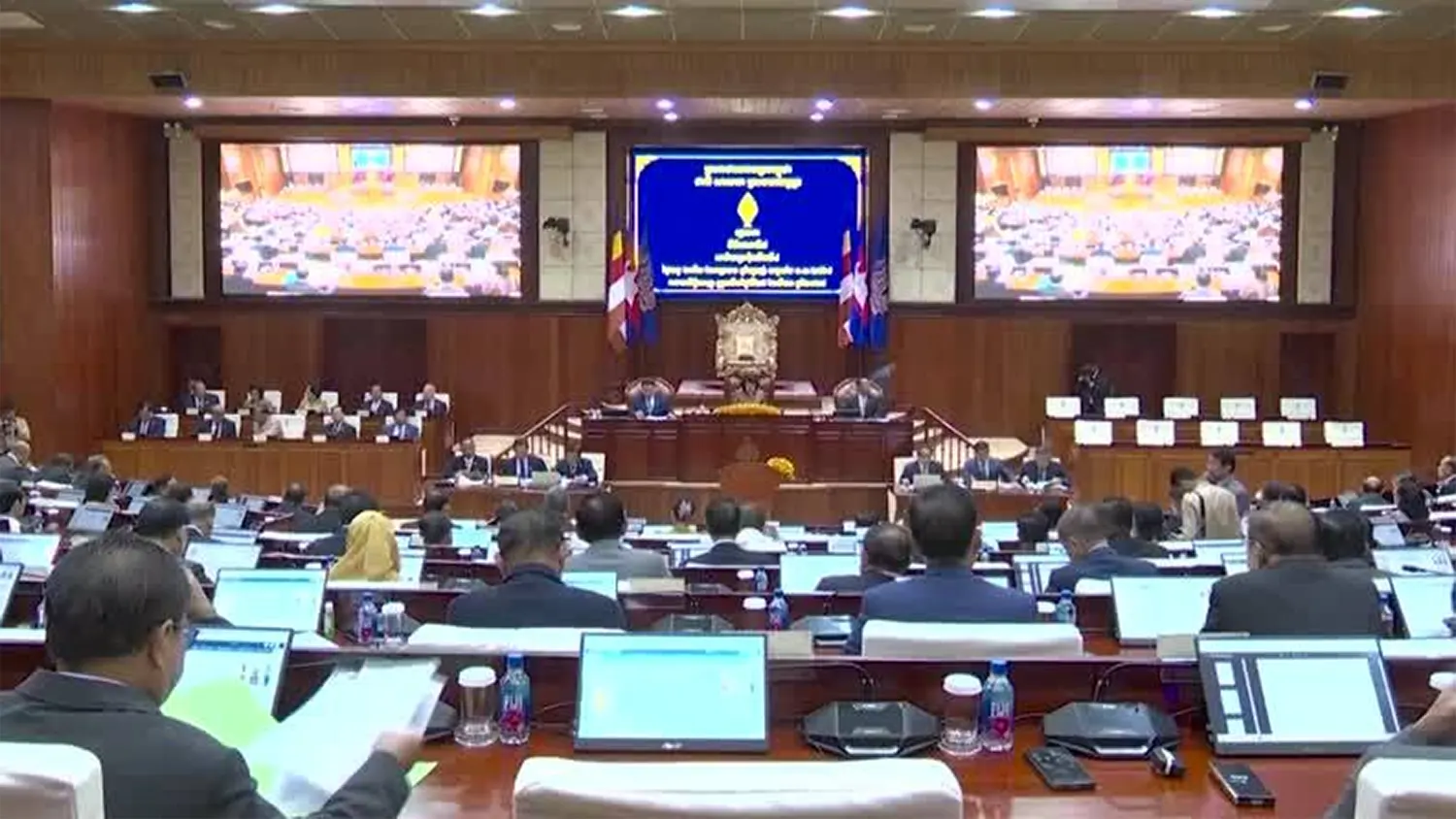
On August 25, 2025, every single lawmaker in Cambodia’s National Assembly voted yes
all 120 of them, on a law that lets the government strip citizens of their nationality. The charge? “Colluding with foreign powers” or doing anything deemed harmful to Cambodia’s sovereignty, territorial integrity, or national security.
It passed without a single dissenting vote.
This didn’t come out of nowhere. Just weeks earlier, in July 2025, the government quietly amended Article 33 of the Cambodian Constitution, the very article that had long guaranteed no citizen could lose their nationality against their will. The revised version now says that gaining, losing, or revoking Khmer nationality will simply be “determined by law.” That single change cleared the legal runway for Monday’s legislation to land.
The Words in the Law Are Vague and That’s the Problem
Rights groups didn’t hold back. Amnesty International, alongside a coalition of more than 50 Cambodian NGOs, condemned the law as “chilling” and “draconian.” Their core concern isn’t just what the law says, it’s what it doesn’t say clearly enough.
Terms like “colluding with foreign powers” or acting against “national security” are broad by nature. Without tight legal definitions, they can be stretched to fit almost anyone a government wants to target. Critics say that’s exactly the risk here that the law hands authorities a flexible tool to go after political opponents, journalists, or activists under the cover of national security.
“The potential for abuse is extremely high,” said one legal analyst based in Phnom Penh. “Given Cambodia’s weak judicial independence, this law could become a tool to silence critics both inside the country and abroad.”
There’s also the question of statelessness. If someone loses their Cambodian citizenship and has no access to another, they effectively become a person without a country a situation that carries serious humanitarian consequences under international law.
The Government Says It’s About Protecting the Nation
Cambodian officials have pushed back firmly against the criticism. They frame the law as a necessary response to genuine security threats, pointing specifically to rising tensions along the border with Thailand. In their view, the legislation is narrowly aimed at those who actively work against the country’s interests.
“This law will apply only to traitors who betray the nation,” a government spokesperson said.
Officials insist the concern over abuse is overblown, and that strong national sovereignty requires strong legal tools. But that framing does little to reassure those who have watched Cambodia’s political landscape tighten steadily over the past decade.
Cambodians Living Abroad Have the Most to Lose
Perhaps the most vulnerable group under this law is Cambodians in exile many of whom hold dual citizenship and have spent years speaking out against the government from abroad. For them, this law isn’t an abstract concern. It’s a direct signal.
Legal scholars warn that even the possibility of losing citizenship could be enough to deter political speech. You don’t need to prosecute many people to make everyone else go quiet. That chilling effect, critics argue, may be part of the point.
If the law is used the way rights groups fear, Cambodia could see a further narrowing of what’s permissible to say, write, or organize whether you’re in Phnom Penh or living thousands of miles away.