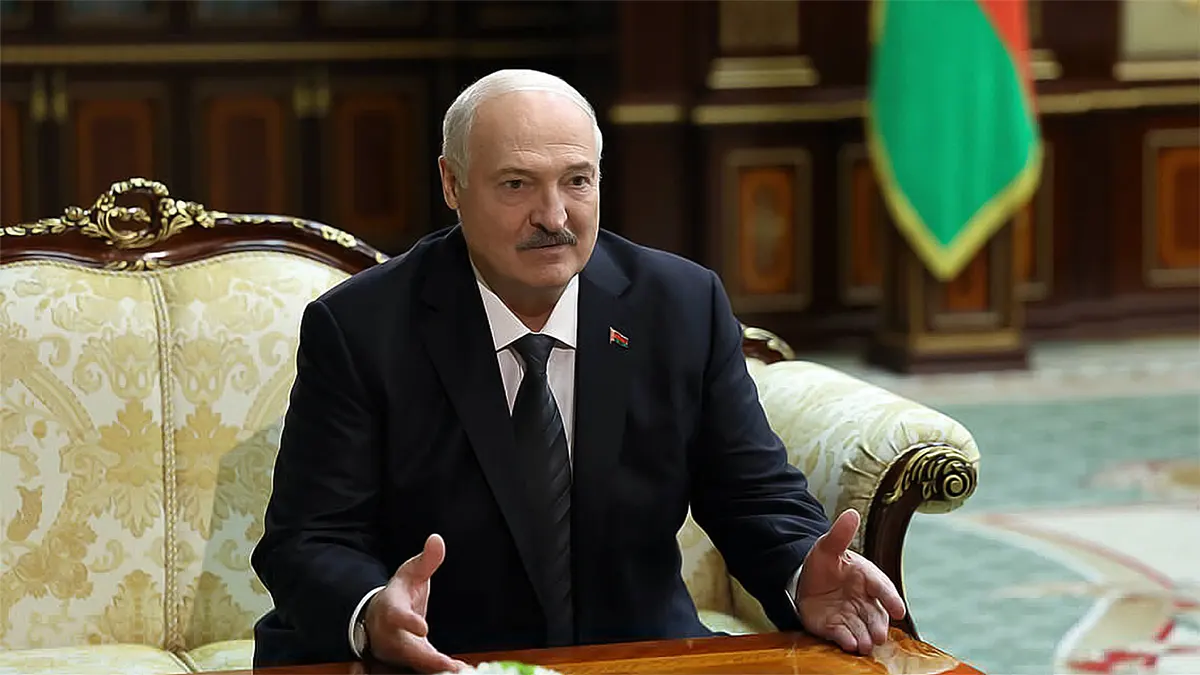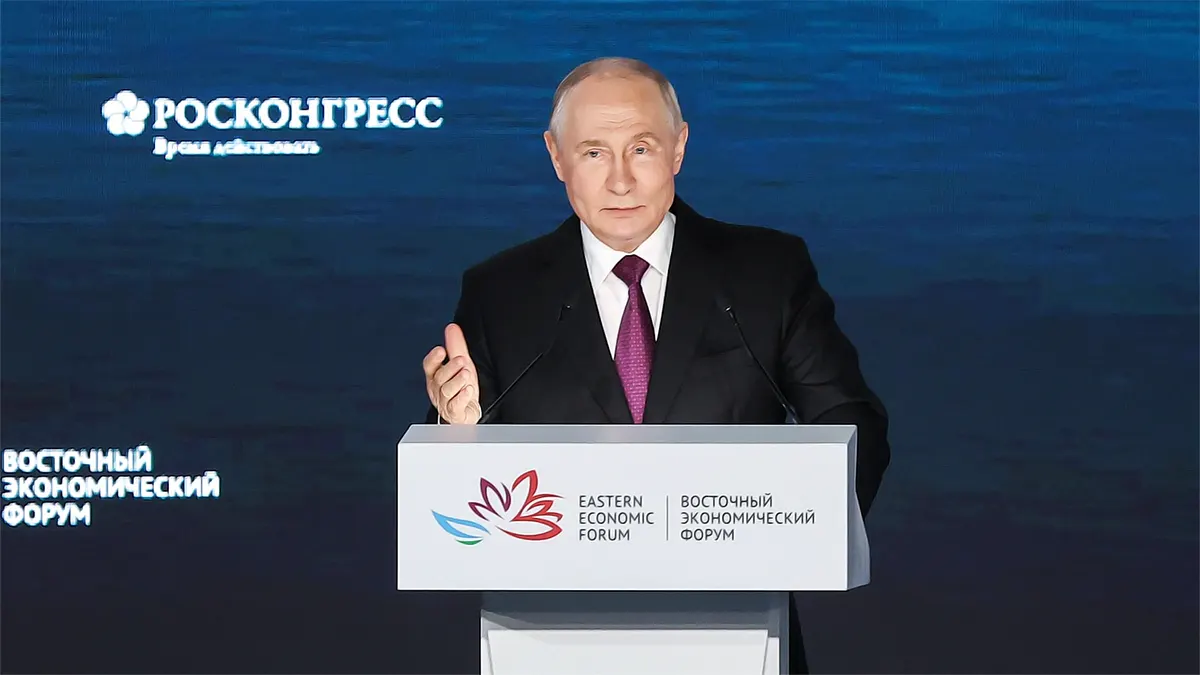
Speaking at the Eastern Economic Forum in Vladivostok on September 3, Russian President Vladimir Putin laid out his clearest public framing yet of how he thinks the war in Ukraine should end: through direct talks between Moscow and Kyiv, with everyone else including Washington and Beijing, playing a supporting role rather than sitting in the driver’s seat.
It’s a message Putin has repeated in different forms for years, but the timing and the surrounding remarks give it fresh weight. He paired the comment with pointed praise for China’s diplomacy, a striking accusation of “state terrorism” against Ukraine and its Western backers, and unusually warm words for President Trump’s approach to Moscow.
“It’s Up To Russia and Ukraine” Putin’s Core Message
Putin told the forum that Russia and Ukraine “must reach an agreement first and foremost,” and that every other country, the United States included can only “support and assist” from the sidelines. It’s a framing that keeps outside powers, and any peace plan they might propose, at arm’s length while positioning Moscow and Kyiv as the only parties who can actually close the deal.
This isn’t a small rhetorical choice. By calling the war a bilateral matter, Putin sidesteps pressure from multilateral peace formats pushed by European governments and instead sets up a narrower negotiating table, one where Russia has more control over pace and terms.
Why Putin Singled Out China’s Role
Putin didn’t just mention China in passing. He specifically credited Beijing with “constantly” working toward a peaceful resolution, and said President Xi Jinping raises the Ukraine issue “every time” the two leaders meet.
The shoutout fits a broader pattern. Russia has leaned heavily on its partnership with China throughout the war, and this kind of public praise reinforces that relationship while signaling to the rest of the world that Moscow isn’t isolated, it has a powerful ally actively engaged in diplomacy on its behalf. China, for its part, has repeatedly described its position on the conflict as “objective” and “impartial,” though critics note Beijing has never joined Western sanctions against Russia and continues deep economic ties with Moscow.
Calling Attacks on Ships and Planes “State Terrorism”
The tone shifted sharply when Putin turned to recent attacks on civilian vessels and threats against civilian aircraft. He described these as acts of “state terrorism,” and said they “undoubtedly complicate the prospects” for peace talks between the two sides.
He went further, aiming criticism directly at Ukraine’s Western allies for staying quiet on the issue. In his words, those who “keep silent”, a group he said includes Ukraine’s Western backers, effectively become “an accomplice to international terrorism.” It’s a serious charge, and one that reframes silence from allied governments as a form of complicity rather than neutrality. Ukrainian officials have not directly responded to this specific claim, and Kyiv has consistently argued that its military actions target legitimate wartime objectives rather than civilians.
A Notably Warmer Tone Toward Trump
Perhaps the most closely watched part of Putin’s remarks concerned the United States. He confirmed that contact with the Trump administration is ongoing, expressed hope those contacts continue, and said Russia wants to fully restore relations with Washington while acknowledging that outcome “does not depend on us alone.”
Then came the notable part: Putin described Trump’s stance as “very constructive and positive,” and pointed to active communication between the two countries’ special services and administration representatives appointed by Trump to keep dialogue with Russia moving. He called this channel “effective” and said he believes it will eventually produce a “positive result.”
That kind of direct, personal praise for a sitting U.S. president is rare from Putin, and it suggests the Kremlin sees real value in keeping this particular diplomatic door open even as it takes a much harsher tone toward European governments and Ukraine’s other Western allies.
What This Signals Going Forward
Putting these threads together, Putin’s remarks reveal a fairly consistent strategy: keep negotiations narrowly framed as a Russia-Ukraine issue, elevate non-Western powers like China as legitimate and welcome mediators, cast recent civilian-targeted attacks as terrorism to shift blame onto Kyiv and its backers, and carve out the U.S. specifically the Trump administration as a separate, more promising diplomatic track.
Whether that framing gains traction outside Russia is a different question. Western governments and Ukraine have generally favored broader, multilateral approaches to any ceasefire or peace deal, and neither Kyiv nor its European allies have endorsed the idea that outside nations should play a purely supporting role. For now, Putin’s comments offer a window into how Moscow wants the negotiating landscape to look even if getting there remains far from settled.