The United States is releasing $600 million in previously appropriated funding to Gavi, the Vaccine Alliance, restoring financial support for global vaccination programs after months of uncertainty over the money.
The funding covers U.S. congressional appropriations for fiscal years 2025 and 2026. The decision follows negotiations between U.S. officials and Gavi over vaccine safety, accountability and the use of mercury-containing preservatives in some vaccine formulations.
For Gavi, the money comes at an important moment. The alliance has entered its new 2026–2030 strategy, known as Gavi 6.0, while facing significant funding pressures and growing demand for vaccines in lower-income countries.
Why the $600 million was held up
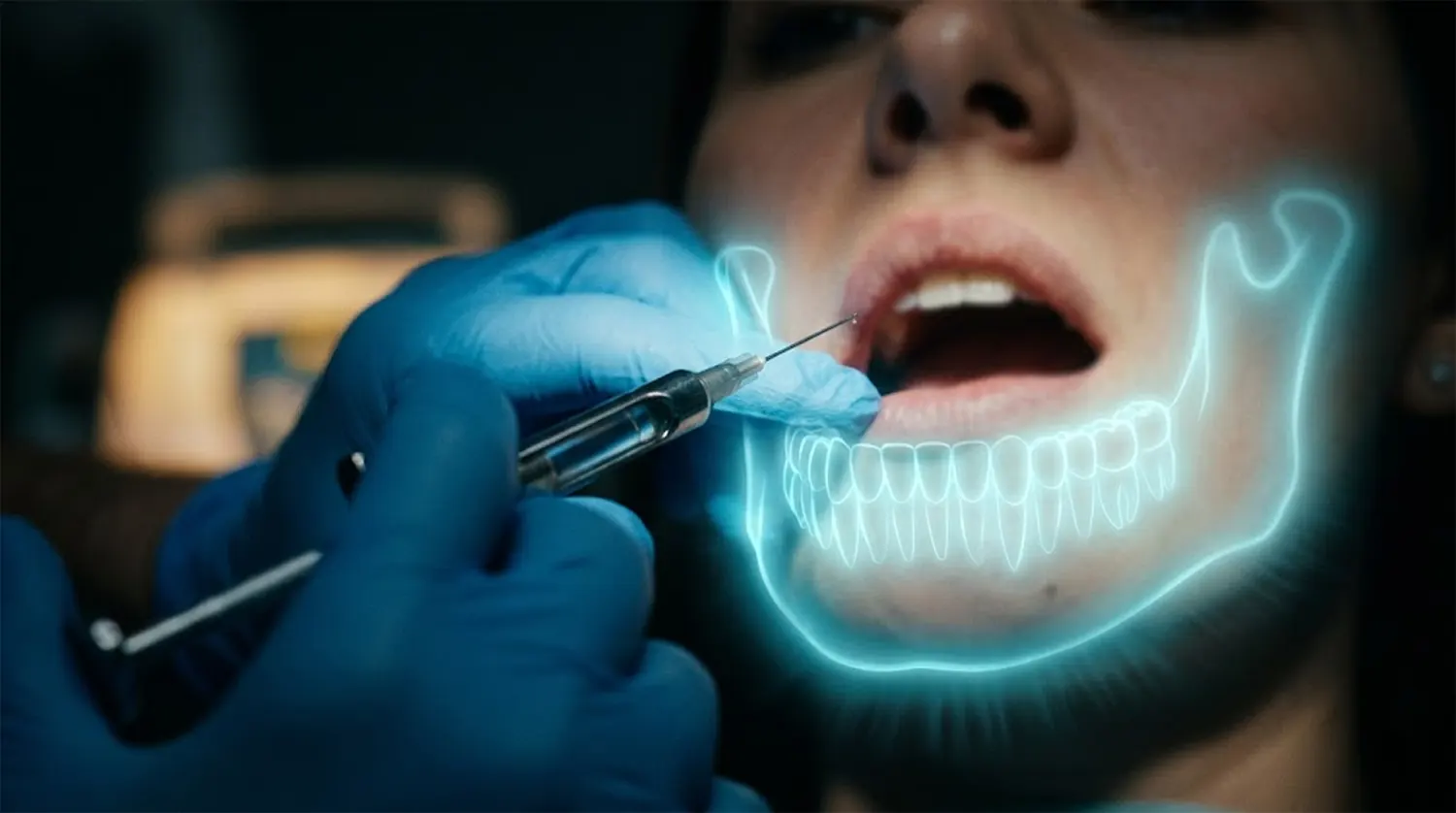
The U.S. funding had been delayed after the Trump administration raised concerns about thimerosal, a mercury-containing preservative used in some multidose vaccine formulations.
Under the agreement announced by the U.S. government, Gavi committed to work toward expanding access to mercury-free vaccine alternatives where appropriate. The commitments include moving toward mercury-free versions of certain meningococcal, pentavalent, pneumococcal and hepatitis B vaccines. Gavi is also expected to establish a dedicated function within its Secretariat to monitor developments in vaccine science and safety.
The U.S. government described the changes as part of a broader effort to strengthen vaccine safety, transparency and accountability. It also said the United States expects to resume its seat on Gavi’s Board, giving Washington a direct role in overseeing the alliance’s progress on the agreed reforms.
The money will support vaccination in poorer countries
Gavi is not a conventional aid agency. It is a public-private partnership that brings together governments, international organisations, vaccine manufacturers and philanthropic groups to expand access to vaccines in countries with limited resources.
The alliance uses its purchasing power to negotiate lower vaccine prices and helps countries finance immunisation programs. Recipient governments also contribute toward vaccine costs, with their share generally increasing as their economies grow.
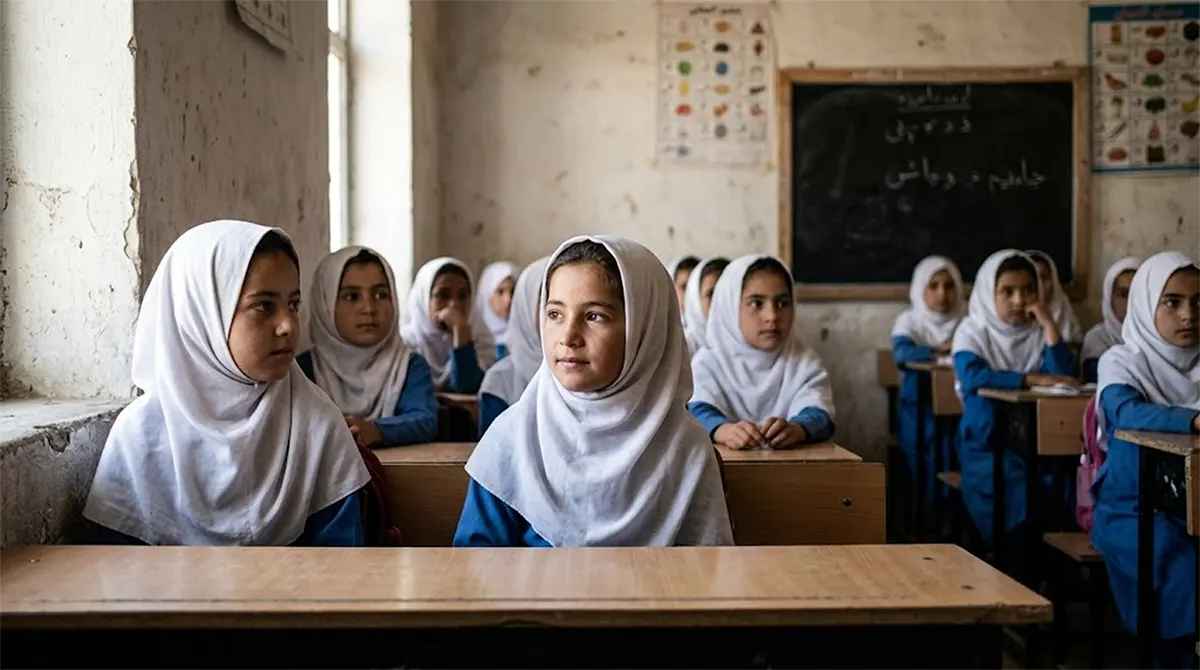
In 2026, 56 countries are eligible to apply for new Gavi vaccine support. Eligibility is based largely on national income, with the current threshold set at $2,300 in gross national income per person. Countries receiving support are also expected to co-finance part of their vaccine programs.
That model is designed to make countries progressively more financially independent rather than permanently dependent on outside funding.
Malaria vaccines are one of the major priorities
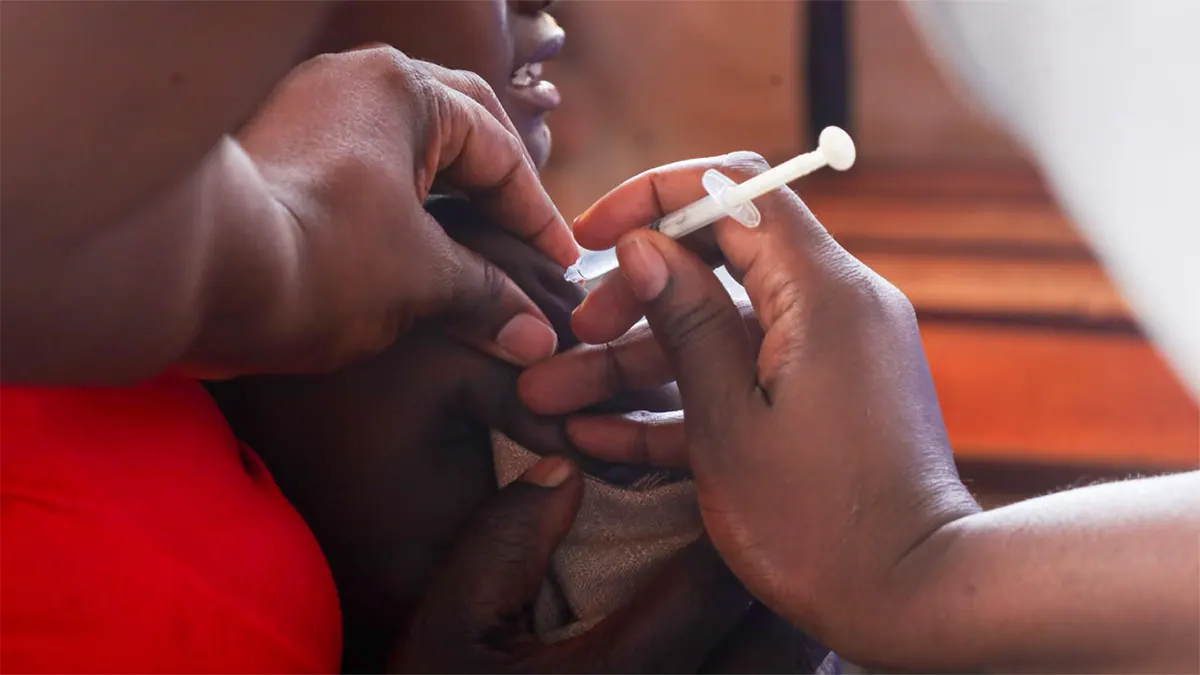
The restored funding could also help Gavi expand access to newer vaccines, including malaria vaccines in Africa.
Gavi’s wider 2026–2030 plan calls for more than 50 million children to receive malaria vaccines, alongside expanded programs for other vaccine-preventable diseases. The alliance’s investment plan also includes support for routine childhood immunisation and stronger preparedness for disease outbreaks.
The malaria rollout is particularly important in sub-Saharan Africa, where malaria remains a major cause of illness and death among children.
At the same time, Gavi is working to introduce newer vaccine formulations. One example is the move from some five-component vaccines toward hexavalent vaccines, which protect against six diseases and can simplify routine childhood immunisation.
Gavi enters a new five-year strategy
The U.S. funding arrives as Gavi begins Gavi 6.0, its strategy for 2026 through 2030.
The plan aims to help countries immunise at least 500 million additional children and prevent an estimated 8–9 million deaths over the five-year period. It also places greater emphasis on sustainable financing, stronger health systems and countries taking greater ownership of their vaccination programs.
Gavi’s broader goal is not simply to deliver more vaccines. It also wants countries to build systems capable of financing and delivering immunisation themselves.
That transition is already part of the alliance’s model. As national income rises, countries gradually take on a larger share of vaccine costs and can eventually graduate from Gavi support.
A partnership with global reach
Since its creation in 2000, Gavi says it has helped immunise more than 1.2 billion children and has become a major part of the global vaccination system.
Its alliance includes donor governments, recipient countries, the World Health Organization, UNICEF, the World Bank, vaccine manufacturers and private philanthropic organisations.
Gavi also supports emergency vaccine stockpiles and outbreak responses, making its role broader than routine childhood immunisation. Under its 2026–2030 strategy, the alliance plans to strengthen its capacity to respond to more than 150 disease outbreaks.
What the U.S. decision means
The release of the $600 million removes an immediate funding problem for Gavi, but it does not settle the longer-term question of U.S. support.
For now, Washington has tied the funding to specific reforms on vaccine formulations, safety monitoring and organisational accountability. Gavi, meanwhile, has said the funding will help close critical gaps in vaccine access and strengthen global defences against infectious diseases.
The bigger test will be whether the renewed U.S.-Gavi relationship can translate into more reliable vaccine access for children in lower-income countries while also satisfying Washington’s demands for greater oversight and reform.
For millions of children who depend on externally supported immunisation programs, the significance of the decision is ultimately straightforward: $600 million that had been held up is now moving back into the global vaccination system.