A Growing Health Risk for Travelers
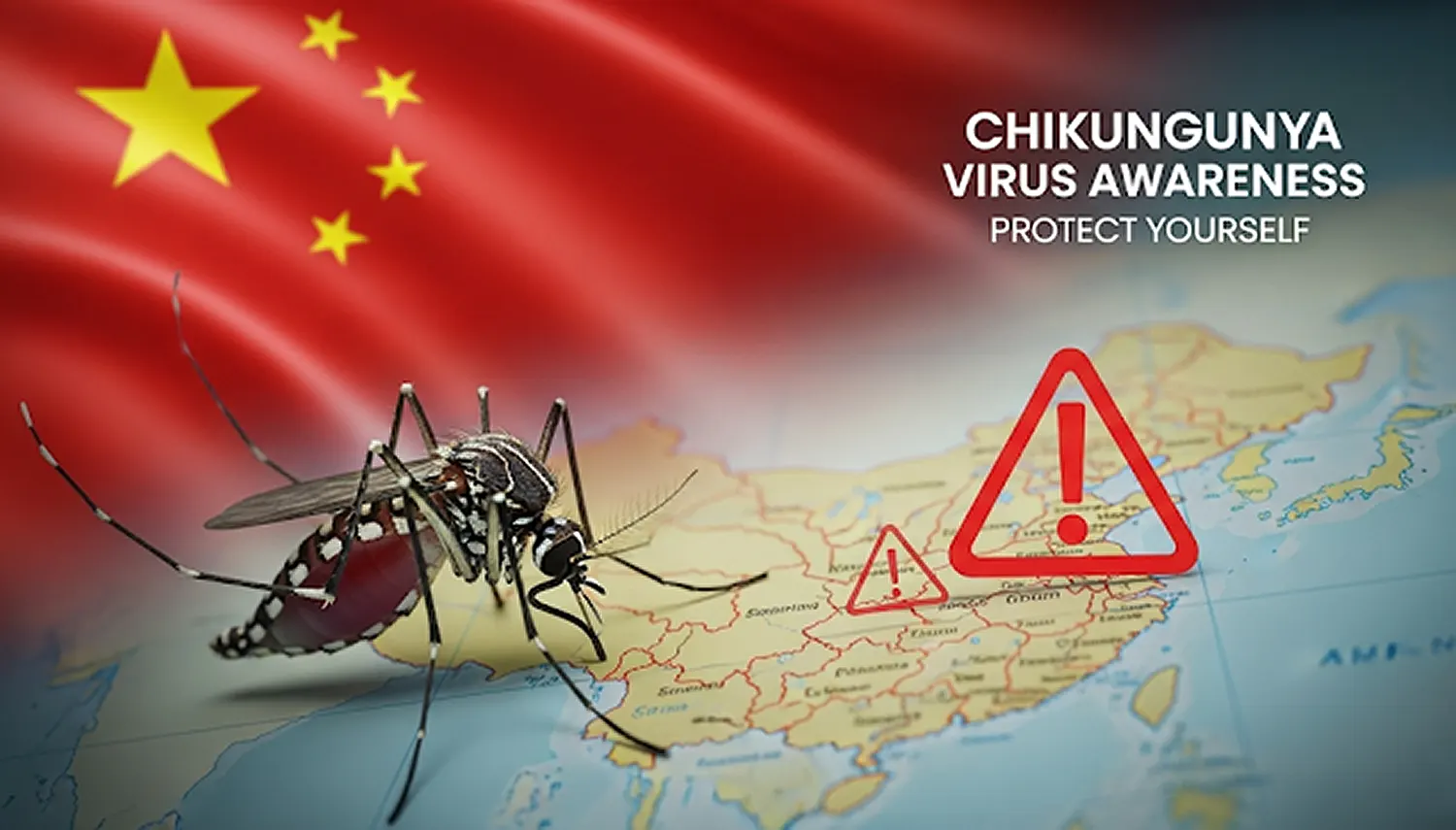
A major chikungunya outbreak in southern China is prompting new travel warnings and raising concerns for international visitors.
Health authorities are urging caution as infections surge in Guangdong province, a key economic hub that attracts millions of travelers each year. While the risk is manageable, officials stress that preparation and prevention are now essential for anyone planning to visit.
Why Health Officials Are Concerned
The alert comes from the U.S. Centers for Disease Control and Prevention, which has raised its advisory to:
Level 2: Practice Enhanced Precautions
The outbreak is centered in the city of Foshan, where case numbers have risen sharply.
This is the largest recorded chikungunya outbreak in the region to date.
A combination of environmental factors is driving the surge:
- Intense heat
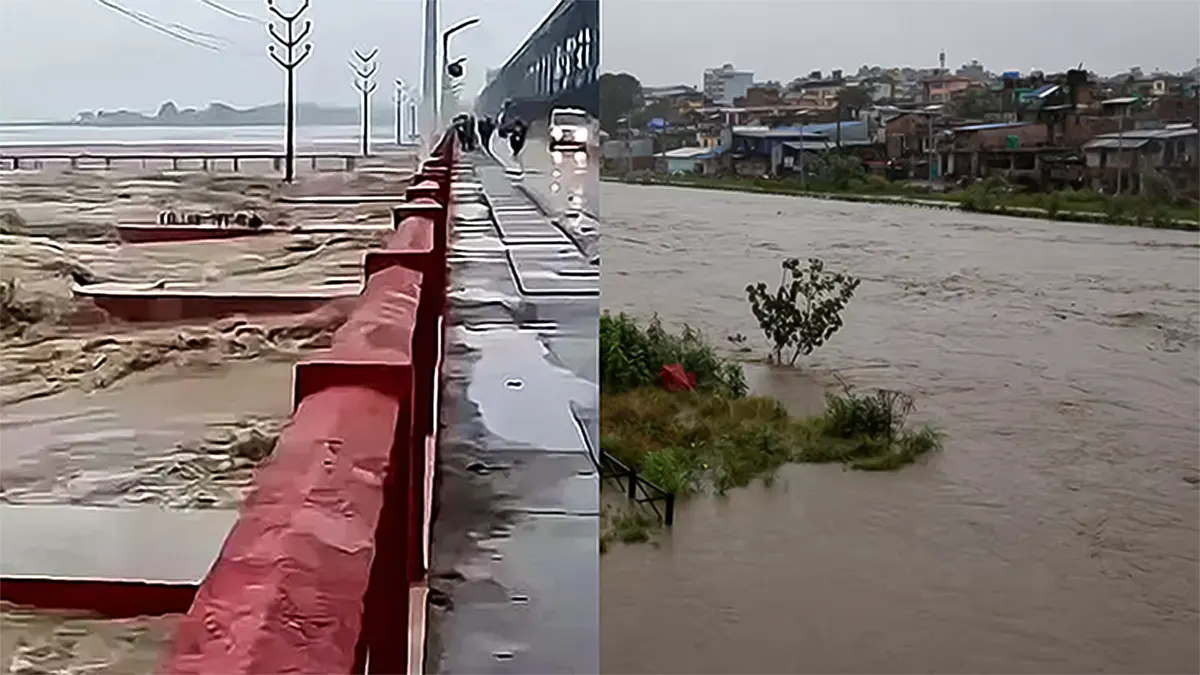
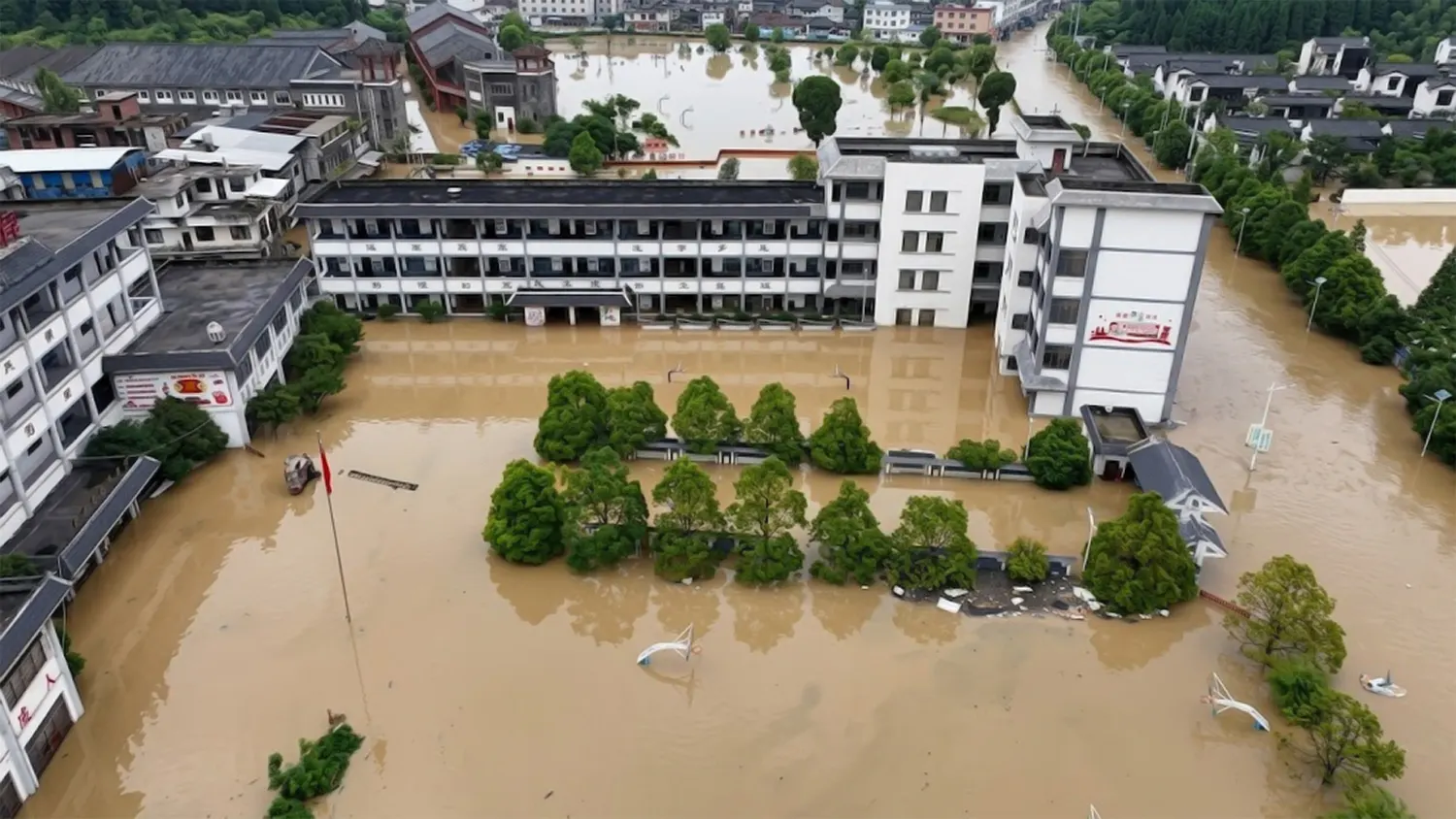
- Heavy seasonal rainfall
These conditions have created ideal breeding grounds for mosquito species such as:
- Aedes aegypti
- Aedes albopictus
Both are primary carriers of the chikungunya virus, accelerating transmission across urban areas.
What Is Chikungunya?
Chikungunya is a mosquito borne viral disease that can cause debilitating symptoms.
Common symptoms include:
- Sudden high fever
- Severe joint and muscle pain
- Headaches and fatigue
- Skin rash in some cases
While most people recover within a week, joint pain can persist for months or even years in severe cases.
There is currently:
- No specific antiviral treatment
- No universal cure
Medical care focuses on symptom relief through rest, hydration, and basic medications.
Travel Advice: How to Protect Yourself
For travelers heading to Guangdong or nearby regions, prevention is critical.
The most effective strategy is to avoid mosquito bites especially during dawn and dusk.
Key Protective Measures
1. Use effective insect repellent
Choose products containing:
- DEET
- Picaridin
- IR3535
- Oil of lemon eucalyptus
2. Wear protective clothing
- Long sleeves and long pants
- Light colored fabrics to reduce attraction
3. Stay in protected environments
- Air-conditioned or screened accommodations
- Use mosquito nets when necessary
4. Eliminate standing water
- Remove stagnant water from containers, buckets, or outdoor areas
These simple steps significantly reduce the risk of infection.
Vaccines: A New Layer of Protection
A notable development is the availability of vaccines.
As of 2025, two chikungunya vaccines have been approved in the United States.
These are primarily recommended for:
- Travelers to high risk regions
- Individuals with higher exposure risk
Before traveling, it is advisable to consult a healthcare provider to determine:
whether vaccination is appropriate for your situation.
After Your Trip: Monitor for Symptoms
The risk does not end when travel does.
Symptoms can appear up to two weeks after returning home.
Travelers should watch for:
- Fever
- Joint or muscle pain
- Rash
If symptoms develop:
Seek medical attention and inform your doctor about your recent travel history.
This is essential for accurate diagnosis and early management.
Preventing Further Spread
Chikungunya can spread indirectly after travel.
Infected individuals can transmit the virus to local mosquitoes, which can then spread it further.
To reduce this risk:
- Continue using insect repellent
- Avoid mosquito prone areas
- Use protective barriers like nets
Preventing secondary transmission is a critical public health step.
The Bigger Picture: Why This Matters
Guangdong is not just another destination, it is a major economic and travel hub in China.
An outbreak in this region has broader implications:
- Increased scrutiny on international travel health risks
- Potential disruptions for business and tourism
- Heightened global awareness of mosquito borne diseases
The Bottom Line
The chikungunya outbreak in Guangdong is serious but manageable with the right precautions.
Travelers do not need to cancel plans, but they do need to adapt.
Preparation, awareness, and prevention are the key tools to stay safe.
Because in today’s interconnected world, health risks can travel as quickly as people do.