Washington is betting that money, not missiles, can finally force Iran back to the table. After six months of war and a collapsed ceasefire, the Trump administration is rolling out what officials are calling the “toughest sanctions in history”, a financial siege designed to work alongside the existing naval blockade of the Strait of Hormuz rather than replace it with more bombing.
Treasury Secretary Scott Bessent has framed it as a “one-two punch,” and he’s set to spell out the full enforcement plan and target list at a press conference on Monday. But the bigger question hanging over the announcement isn’t what’s on the list, it’s whether an economy that has spent four decades dodging sanctions can be cornered this time.
What Washington Is Actually Doing
The plan goes beyond the usual round of blacklisted names. It’s aimed squarely at the shadow infrastructure that has kept Iranian oil moving and Iranian money flowing despite years of restrictions:
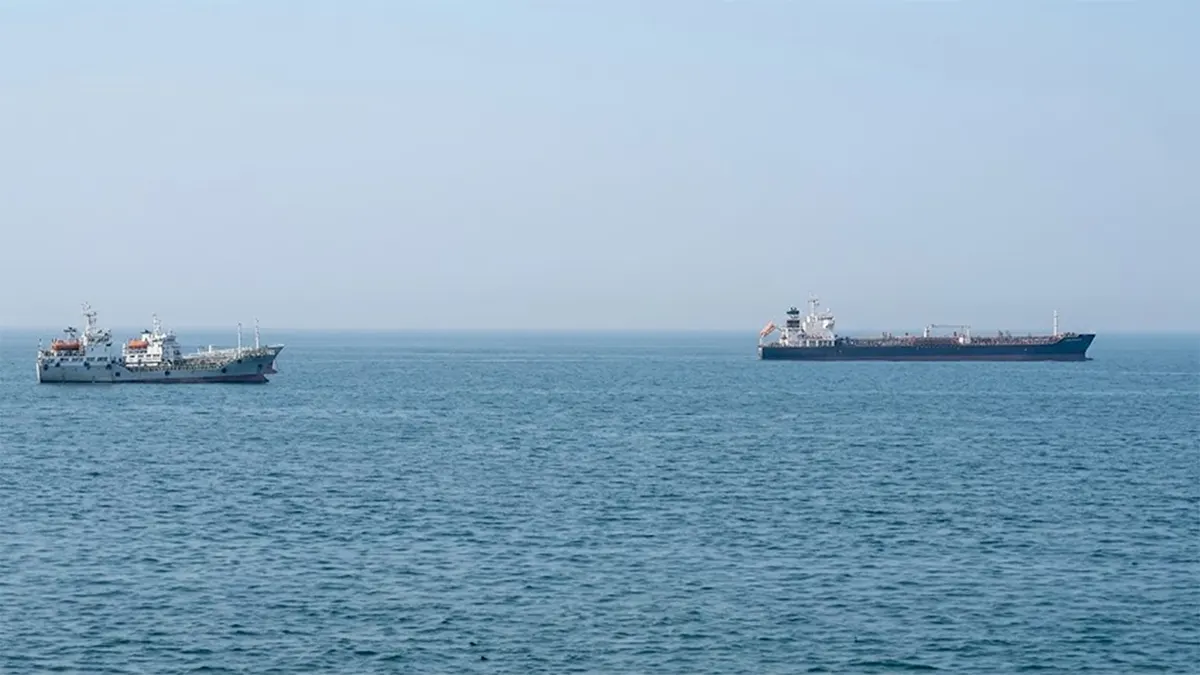
- Shadow fleet crackdown — targeting the rogue ship registries, aging tankers, and transport networks used to move Iranian crude past the naval blockade undetected.
- Financial pathway disruption — going after currency exchange houses, front companies, and informal swap networks that let Iran settle payments without ever touching the U.S. dollar or the SWIFT system.
- Secondary sanctions on third countries — explicit warnings to foreign banks, refiners, and shipping firms that doing business with Tehran means losing access to the U.S. financial system.
That last piece is really the headline. Bessent has said the U.S. has “control” of the Strait of Hormuz and that observed ship traffic through the corridor remains a fraction of pre-war levels, U.S. Central Command puts the number of vessels stopped at the blockade at 67 and climbing. Now Washington wants the financial squeeze to match the physical one.
Iran Isn’t Blinking, Yet
Tehran’s response has been blunt dismissal. Foreign Minister Abbas Araghchi called the campaign “economic terrorism” and argued it’s really a distraction from America’s own debt problems, warning on social media that doubling down on the same approach “will only bring further defeat.” Iran’s parliamentary speaker and lead negotiator, Mohammad Baqer Qalibaf, went further, suggesting the pivot to economic warfare is really an admission that the U.S. and Israel couldn’t win militarily.
On the military side, officials have kept the rhetoric sharp. Armed Forces General Ali Abdollahi warned that any new pressure would be met with a “revolutionary, crushing, regret-inducing and devastating response,” while IRGC spokesman Mohsen Mohebbi said Iran’s missile technology has advanced enough that a renewed war would look “completely different” from the last one.
Rather than easing its grip on the Strait, Tehran has signaled it’s prepared to sit this out. Iranian officials say the waterway won’t fully reopen until Washington meets a set of conditions tied to an earlier 14-point framework including lifting the blockade, unfreezing Iranian assets, and ending military operations.
China Is the Real Test
Here’s the structural problem for Washington: China buys more than 80% of Iran’s seaborne crude exports. Bessent has openly called on Beijing to “get with the program,” pointing out that China draws roughly half its energy imports from the Persian Gulf region and has a direct interest in keeping Hormuz open.
Beijing’s public answer has been consistent rejection. Foreign Ministry spokesman Lin Jian told reporters that sanctions and pressure “will not solve the problem” and called for a diplomatic resolution instead, framing Washington’s combination of blockade and secondary sanctions as a form of unilateral economic warfare.
But the diplomatic pushback only tells half the story. China has spent years building alternative payment rails, non-dollar clearing systems and specialized banks like Bank of Kunlun specifically so its energy trade doesn’t depend on U.S. banking access. It also holds its own leverage: analysts point to China’s dominance over rare-earth mineral supply chains as a card Beijing could play if Washington pushes too hard against Chinese refiners and ports.
Why Sanctions Have Failed on Iran Before
Iran is already among the most heavily sanctioned countries on Earth, and previous “maximum pressure” campaigns eventually hit a wall. Two things explain why:
The shadow fleet works. Iran operates hundreds of aging tankers that disable their tracking transponders, conduct ship-to-ship oil transfers off Malaysia, and sail under flags of convenience. That network has reliably moved close to 1.4 million barrels a day to Asia, mostly to independent Chinese “teapot” refineries that operate outside the reach of major Western banks.
The money doesn’t need dollars. Iran cut its dependence on dollar-clearing payments long ago. Chinese buyers settle through local, non-dollar systems that have essentially zero exposure to U.S. financial enforcement which is exactly why blacklisting entities on paper hasn’t been enough in the past.
Why This Round Might Land Differently
Two things separate the current campaign from earlier ones. First, it isn’t sanctions alone, it’s sanctions paired with an active naval blockade that can physically intercept tankers rather than just freeze assets on paper. Second, enforcement is aimed directly at the Chinese refineries, ports, and exchange houses handling Iranian crude, not just Iranian entities themselves, raising the cost of doing business with Tehran in a way that hits Beijing’s supply chain, not just Iran’s.
Even so, most analysts expect strain rather than surrender in the near term: deeper discounts on Iranian oil, higher smuggling costs, and disrupted shadow-fleet logistics, rather than a full collapse of Iran’s revenue. A lasting result would likely require either a near-total halt of Chinese purchases or a permanent physical blockade at sea both difficult to sustain indefinitely.
How the War Got Here
The current standoff traces back to July 8, when a multi-week ceasefire collapsed after Iran struck commercial vessels in the Strait of Hormuz to reassert its claim over the waterway. The U.S. Navy responded by reimposing the blockade that remains in place today.
What followed wasn’t another bombing campaign, it was a shift to lower-intensity, decentralized fighting. The IRGC used the ceasefire lull to coordinate strikes with regional partners, and Iranian-backed militias in Iraq along with Houthi forces began targeting oil infrastructure and military assets across Kuwait, Saudi Arabia, and U.S. bases in the region. The International Maritime Organization has recorded at least 17 mariners killed across 65 attacks on commercial shipping since the war began in February.
By late July, U.S. airstrikes on Iranian ports and command centers were producing diminishing returns, much of the reachable military infrastructure had already been hit. That exhaustion of the bombing campaign is what pushed the administration toward the current strategy: using economic isolation, backed by the blockade, instead of another wave of strikes.
With Bessent’s Monday announcement expected to name specific targets, the coming weeks will show whether financial pressure can do what six months of war has not or whether Iran, once again, adapts its way around it.