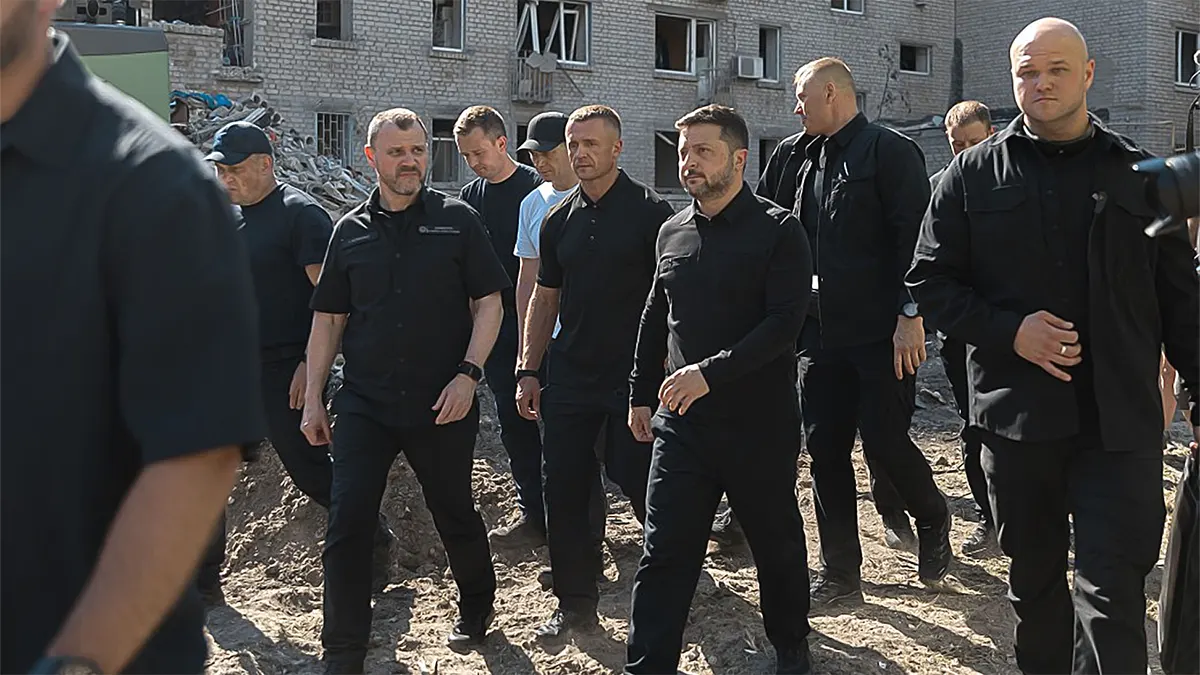
Standing outside a shattered apartment building in Kyiv, Volodymyr Zelenskyy didn’t mince words. Ukraine’s president had just watched his capital survive one of the largest aerial assaults of the entire war, and his frustration wasn’t really aimed at Moscow. It was aimed at the pace of help arriving from allies who, in his words, have been offering more talk than action.
A Night of Horror in Kyiv
The remarks came just hours after Russia launched an 11-hour barrage on July 2, 2026, hitting Kyiv with 74 missiles and 496 drones. The attack killed at least 21 civilians and injured dozens more, collapsing six floors of a nine-story apartment building in the Darnytskyi district and sparking fires across multiple neighborhoods. Residents spent the night sheltering in metro stations as explosions rocked the city. Ukraine’s Foreign Minister, Andrii Sybiha, called it a “night of horror,” and by morning, damage had been recorded at 30 separate locations across the capital.
It was against that backdrop, standing at the site of the destruction, that Zelenskyy delivered his most pointed public criticism of allied support in months.
“This Is Too Slow, Be Honest”
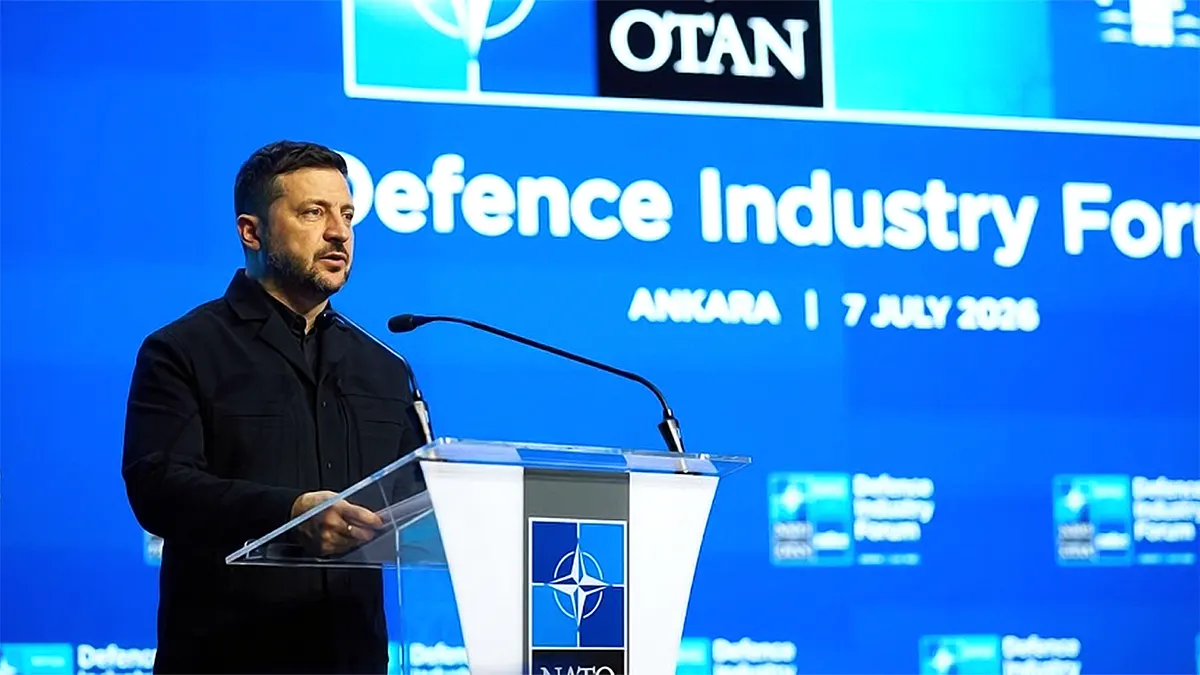
Zelenskyy didn’t hedge. “For today it’s too slow, be honest, too slow,” he said, acknowledging he’s still counting on an upcoming meeting with the American team but making clear that gratitude for past support doesn’t erase the current bottleneck. He was careful to credit the weapons Europe and the U.S. have already sent, but the core of his message was unmistakable: promises and pledges aren’t the same as equipment on the ground.
“We don’t need, you know, too much words,” he said, pointing to the human cost of delay. People who lost their homes, he explained, are the same people losing their children and their families while waiting for aid that was promised weeks or months earlier.
What “Slow Packages” Actually Means
When Zelenskyy talks about packages moving too slowly, he’s referring to air defense systems and munitions funneled through the PURL framework short for Prioritized Ukraine Requirements List. Under this arrangement, international allies pool funding to purchase American-made weapons on Ukraine’s behalf, rather than the U.S. supplying them directly. It’s a setup designed to keep aid flowing even amid political disagreements in Washington, but it comes with a tradeoff: every shipment has to move through a chain of international coordination and funding approval before it reaches the front, and that chain has repeatedly slowed things down.
In the wake of the July 2 attack, Zelenskyy went a step further than just criticizing the process. He formally asked Washington for a license to produce Patriot missiles domestically, calling reliable air defense “an absolute necessity” rather than a request that can wait for the next funding cycle.
The Appeal to Witkoff and Kushner
Much of Zelenskyy’s message was aimed at two specific people: Steve Witkoff, the U.S. special envoy, and Jared Kushner, President Trump’s son-in-law, both of whom have been leading back-channel negotiations between Washington and Moscow. Zelenskyy said Ukrainian officials have stayed in regular contact with both men and has been urging them to come to Kyiv in person, not just to negotiate, but to see the aftermath of attacks like this one firsthand.
His reasoning was direct: if Witkoff sees the destruction up close, he’ll be better positioned to tell Russia, in no uncertain terms, to sit down and end the war. “They have to come to see, to understand, and to explain to the president,” Zelenskyy said, referring to how a firsthand account could shape how the situation gets relayed back to Trump himself.
Understanding, Not Resentment
Notably, Zelenskyy didn’t frame his frustration as anger at the U.S. or Europe. He acknowledged there are “a lot of internal questions” in American politics, and recognized that many countries are effectively governed from one election cycle to the next, which naturally complicates fast decision-making on foreign aid. He also said he understood that Middle East tensions have pulled some U.S. attention and resources elsewhere, and expressed thanks for allies’ stated willingness to help.
But understanding the politics didn’t soften his central point. “The priority is to save lives, Ukrainian lives,” he said, making clear that sympathy for Washington’s constraints doesn’t change what’s needed on the ground in Kyiv right now: faster deliveries, stronger air defense, and real diplomatic pressure on Moscow to stop the war altogether.