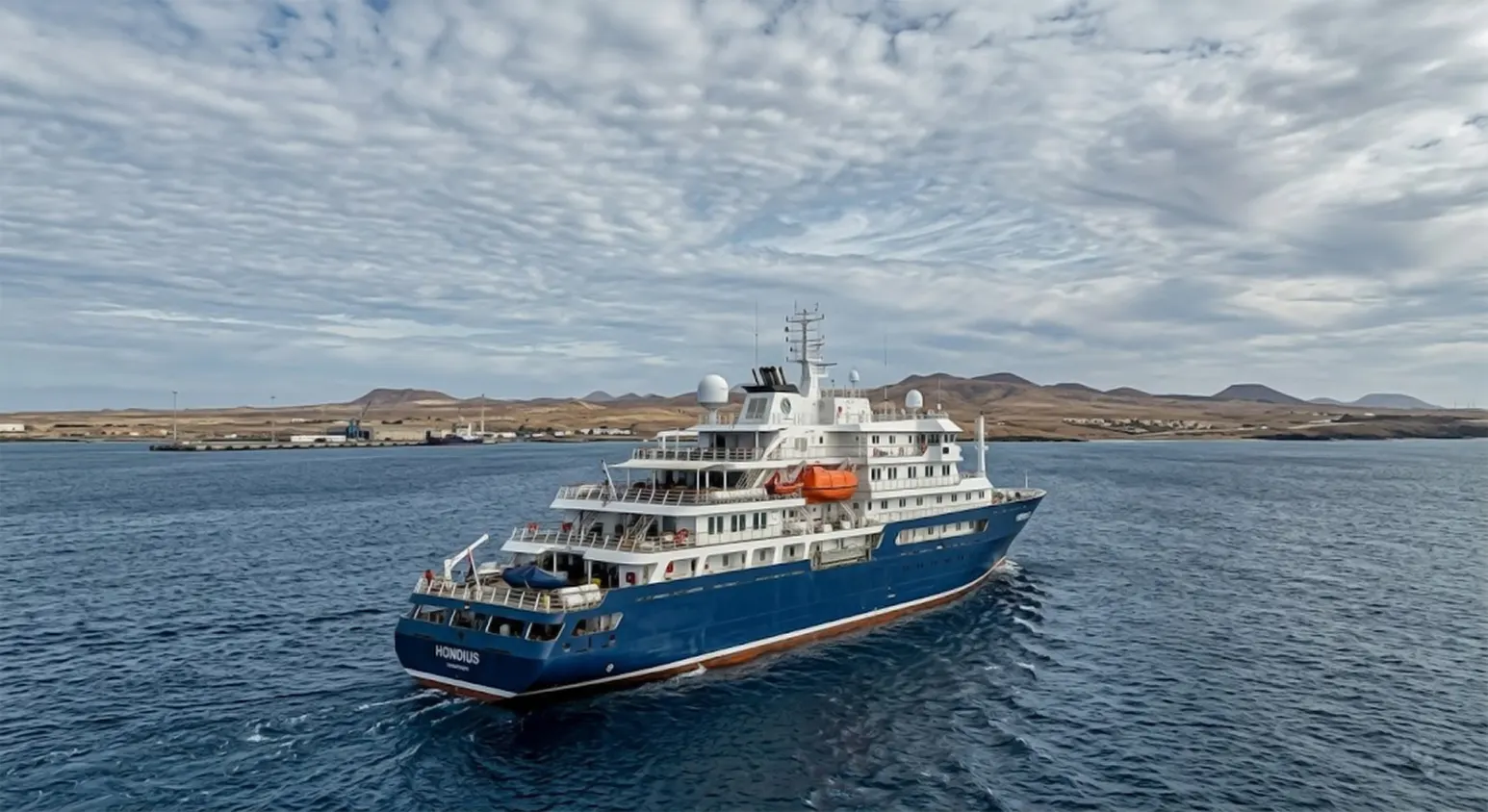
A cruise vacation is supposed to feel safe and relaxing. But for passengers aboard the MV Hondius, the journey turned into a frightening medical emergency after a rare and deadly virus began spreading on board.
What makes this outbreak especially unusual is that it involves the Andes strain of hantavirus, one of the few known hantaviruses that can spread from person to person. Health officials around the world are now racing to track passengers, monitor symptoms, and stop any further spread.
At the same time, experts say the risk to the general public remains low. Understanding what is happening and why scientists are paying such close attention can help separate facts from fear.
What Happened on the MV Hondius?
The MV Hondius, a Dutch polar expedition cruise ship, was sailing from South America toward Europe when passengers began falling seriously ill.
So far, three people have died, and at least eight confirmed or suspected cases have been linked to the outbreak. The ship was temporarily held off the coast of Cape Verde before continuing toward Tenerife in the Canary Islands under strict medical supervision.
What quickly caught the attention of health authorities was the type of virus involved. Laboratory testing confirmed the presence of the Andes virus, a rare strain of hantavirus found in parts of South America.
That discovery changed the entire response strategy because, unlike most hantaviruses, the Andes strain has shown the ability to spread between humans through very close contact.
Why This Outbreak Is Different From Most Hantavirus Cases
Normally, hantavirus infections happen after people inhale particles contaminated by rodent urine or droppings. Most cases are linked to exposure in rural areas, cabins, campsites, or poorly ventilated buildings.
But the situation aboard the MV Hondius appears different.
Investigators have found no evidence of rodents on the ship, despite extensive inspections. This has strengthened the theory that the virus was likely brought onboard by an infected passenger and then spread among close contacts inside cabins and shared spaces.
Health officials believe the suspected “index case” may have been a Dutch couple who spent months birdwatching in Argentina and Chile before boarding the vessel.
Because cruise ships are enclosed environments where passengers spend long periods together, even a virus with limited human transmission can become difficult to control. That raises a second concern: the virus’s unusually long incubation period.
The Long Incubation Window Is Creating a Global Challenge
One of the biggest difficulties in managing this outbreak is that people can remain symptom-free for weeks after exposure.
Experts say the incubation period may last up to 6 to 8 weeks, meaning passengers who currently feel healthy could still become sick later. As a result, countries across Europe and beyond are now monitoring travelers connected to the ship.
Around 40 passengers who left the vessel earlier in the voyage are being traced by health authorities in multiple countries, including the UK, the United States, and Spain.
Meanwhile, the remaining passengers are still living under strict health controls. Upon arrival in Tenerife, Spanish nationals are expected to be transferred to a military hospital in Madrid, while international travelers will return home through tightly managed “health corridors” for continued monitoring.
This cautious approach reflects how seriously global agencies are treating the outbreak, even though the overall public risk remains low.
The Symptoms Can Change Quickly and Become Severe
One reason doctors are especially concerned about the Andes strain is how rapidly symptoms can worsen.
The illness often begins with signs that feel very similar to the flu. Early symptoms may include:
- Fever and chills
- Severe muscle aches
- Fatigue
- Headaches
- Nausea or vomiting
- Diarrhea or stomach pain
But the real danger comes later.
After several days, some patients suddenly develop Hantavirus Pulmonary Syndrome (HPS), a severe lung condition that can become life-threatening within hours.
At this stage, the lungs begin filling with fluid, making breathing extremely difficult. Patients may experience:
- Severe shortness of breath
- Rapid breathing
- Low blood pressure
- Shock or cardiovascular collapse
Doctors treating the outbreak say the progression can feel sudden and overwhelming. Several passengers reportedly became critically ill shortly after respiratory symptoms appeared.
Why Early Medical Care Matters So Much
There is currently no specific cure or vaccine for hantavirus. That means treatment focuses on helping the body survive the most dangerous phase of the illness.
Patients with severe symptoms often require intensive care, oxygen support, or mechanical ventilation. In some cases, advanced life-support systems may temporarily take over lung function while the patient recovers.
The good news is that early treatment can significantly improve survival chances.
That is why health authorities are urging anyone connected to the ship to seek medical attention immediately if even mild symptoms appear during the monitoring period.
Doctors also stress the importance of sharing recent travel history. Telling healthcare providers about exposure to the MV Hondius can help patients receive faster isolation and specialized care.
The Psychological Toll of a “Floating Quarantine”
Beyond the medical emergency, the outbreak has also created intense emotional strain for passengers and crew.
For days, hundreds of people remained confined aboard the ship while countries debated where the vessel could dock. Medical teams wearing protective equipment moved through cabins daily, checking temperatures and monitoring symptoms.
The uncertainty has been exhausting for many onboard.
In a rare public message directed at passengers, WHO officials acknowledged the fear and stress surrounding the situation, telling those onboard: “We hear you. We know that you are scared.”
As the ship continues toward Tenerife, the crisis has become more than just a health story. It is also a reminder of how quickly modern travel can turn local outbreaks into international emergencies.
What Health Experts Want the Public to Understand
Despite the alarming headlines, experts emphasize that this outbreak does not pose the same type of threat as highly contagious viruses like COVID-19 or influenza.
The Andes strain can spread between people, but evidence suggests transmission still requires very close and prolonged contact. Casual public exposure is considered low risk.
Health officials are also not recommending broad travel restrictions or public lockdowns.
Instead, the focus remains on:
- Monitoring exposed passengers
- Rapid isolation of suspected cases
- Early medical treatment
- International coordination between health agencies
For most people, the everyday risk remains extremely low.
Conclusion
The MV Hondius outbreak has drawn global attention because it involves a rare form of hantavirus capable of human to human transmission. Combined with the close quarters of a cruise ship and a long incubation period, the situation has created a uniquely difficult public health challenge.
Still, there is an important takeaway beneath the fear: rare does not mean unstoppable.
Health agencies worldwide are closely monitoring passengers, coordinating quarantines, and isolating suspected cases to prevent wider spread. And while the virus is serious, experts say the risk to the general public remains low.
For now, the best response is simple: stay informed, pay attention to trusted health updates, and avoid panic driven misinformation.