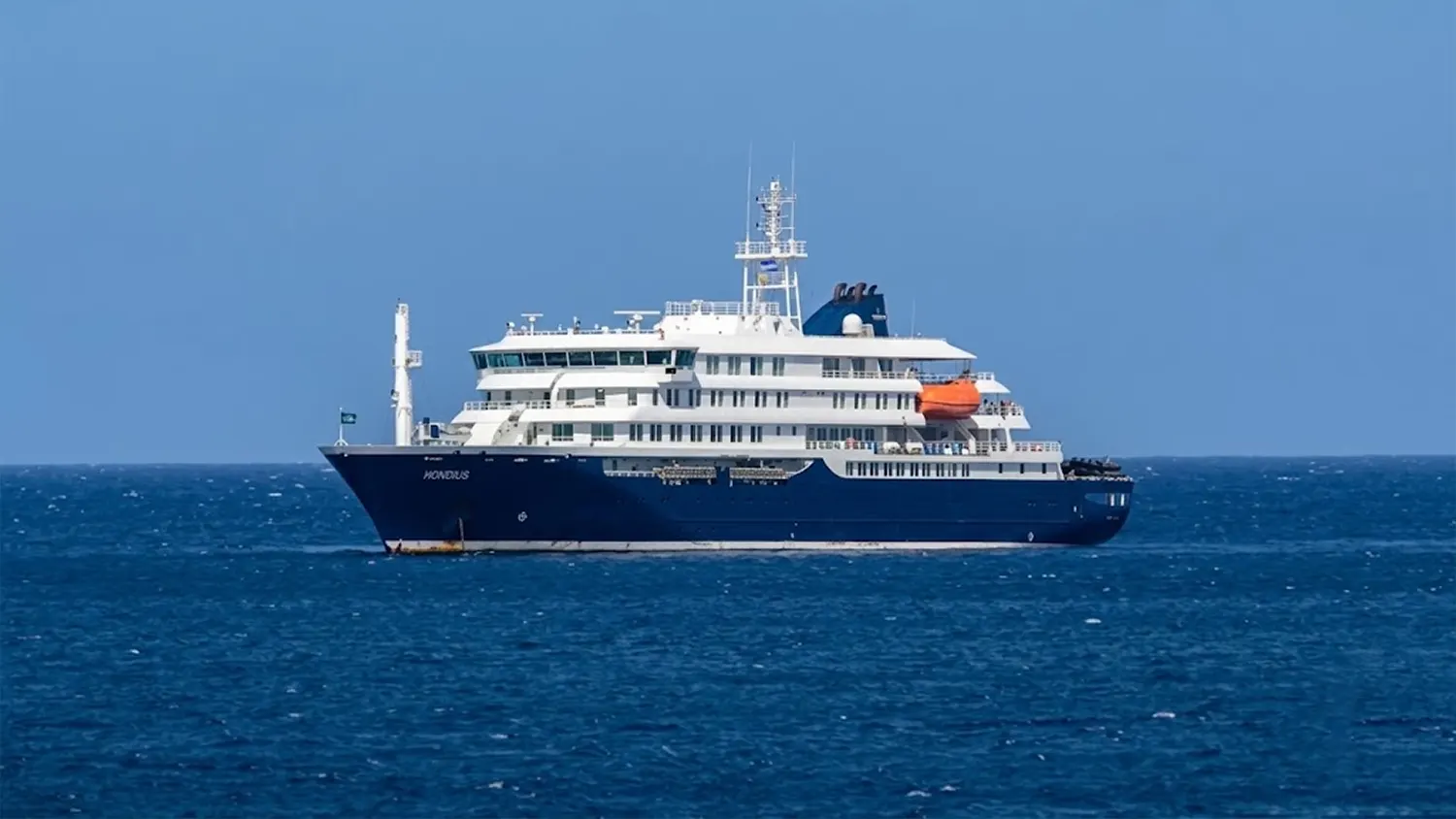
Imagine being stuck on a cruise ship, unable to leave, while a deadly virus spreads among passengers. That’s the situation right now aboard the MV Hondius, where a suspected hantavirus outbreak has already claimed lives.
Stories like this can feel alarming. But before panic sets in, it helps to understand what hantavirus is, how it spreads, and what the real risk looks like. When we break it down, the picture becomes much clearer and less frightening.
What Happened on the MV Hondius?
The MV Hondius began its journey in Argentina and was heading toward Europe when things took a serious turn. Several passengers fell ill, and at least three people have died, turning the voyage into an international health emergency.
The ship is now anchored off Cape Verde, and no one is allowed to disembark. Around 220 people remain onboard, waiting as health authorities from multiple countries coordinate the next steps.
In reality, the vessel has become a floating quarantine zone, with medical teams boarding in protective gear and checking passengers one by one. Anyone showing symptoms is quickly isolated, while critical cases are being prepared for evacuation.
What Is Hantavirus and Why Is It Dangerous?
Hantavirus is a rare infection usually spread by rodents, such as mice or rats. People typically get infected by breathing in tiny particles contaminated with rodent droppings or urine.
What makes this virus tricky is that it doesn’t start out looking serious. It often begins with symptoms that feel like the flu fever, fatigue, and muscle aches. But in some cases, it can quickly turn into something much more severe.
As the illness progresses, it can develop into Hantavirus Pulmonary Syndrome (HPS), a condition where the lungs fill with fluid. At that stage, breathing becomes extremely difficult, and urgent medical care is critical.
Why This Case Is Raising Global Concern
Under normal circumstances, hantavirus does not spread between people, which is reassuring. In fact, in most cases, the infection stops with the person who caught it from the environment.
However, this outbreak has raised concern for a specific reason. The ship departed from South America, where a rare strain known as the Andes virus exists. This is the only known type that can pass from person to person, though even then, it requires close and prolonged contact.
At the same time, the environment of a cruise ship adds another layer of risk. Because it is a closed space, multiple people could be exposed to the same source such as contaminated air or surfaces at once. This can make the outbreak appear more contagious than it actually is.
How Serious Is the Risk?
While hantavirus is not easy to catch, it is very serious once contracted.
The most severe form of the illness has a fatality rate of around 30% to 40%, which is why health authorities are taking this situation so seriously. The danger is not how fast it spreads, but how severe it becomes if treatment is delayed.
The good news is that outcomes improve significantly with early medical care. Patients who receive treatment before their lungs are severely affected have a much better chance of recovery.
Is There a Cure or Treatment?
There is currently no specific cure or antiviral drug that can eliminate hantavirus. Instead, doctors focus on supporting the body while it fights the infection.
In severe cases, patients are treated in intensive care units. They may need help breathing through ventilators, and in the most critical situations, advanced machines can take over the job of the lungs temporarily.
This approach known as supportive care can be life saving. The key is timing. The earlier a patient receives care, the better their chances.
What’s Happening to Passengers Right Now?
For those on the MV Hondius, daily life has changed dramatically. The ship remains anchored, and passengers are not allowed to go ashore. Medical teams continue to monitor everyone closely, watching for even mild symptoms.
Efforts are now focused on evacuating the most serious cases using specialized medical flights. Meanwhile, authorities are still deciding what to do with the remaining passengers, balancing safety with the need to bring them home.
For now, the situation remains controlled. The ship is effectively isolated at sea, preventing any wider spread.
Should You Be Worried?
It’s natural to feel uneasy when hearing about an outbreak like this. But for the general public, the risk is extremely low.
Hantavirus is rare, difficult to transmit between people, and this situation is fully contained. It is not comparable to highly contagious illnesses like the flu or COVID-19.
The real concern is for those directly affected not for people going about their daily lives.
Conclusion
The outbreak on the MV Hondius is a serious reminder that even rare diseases can have major consequences in the right conditions. But it also shows how quickly global health systems can respond to contain a threat.
The key takeaway is simple: hantavirus is dangerous, but not easily spread. With early care and proper containment, the risks can be managed.
For now, staying informed and not alarmed is the best approach.