The fragile ceasefire between Israel and Hezbollah is now hanging by a thread after a sharp escalation along the Israel-Lebanon border. Over the last 24 hours, both sides have exchanged some of the heaviest fire seen since the U.S.-brokered truce took effect on April 16. The latest violence has transformed what diplomats once described as a “frozen conflict” into an active battle of attrition with widening regional implications.
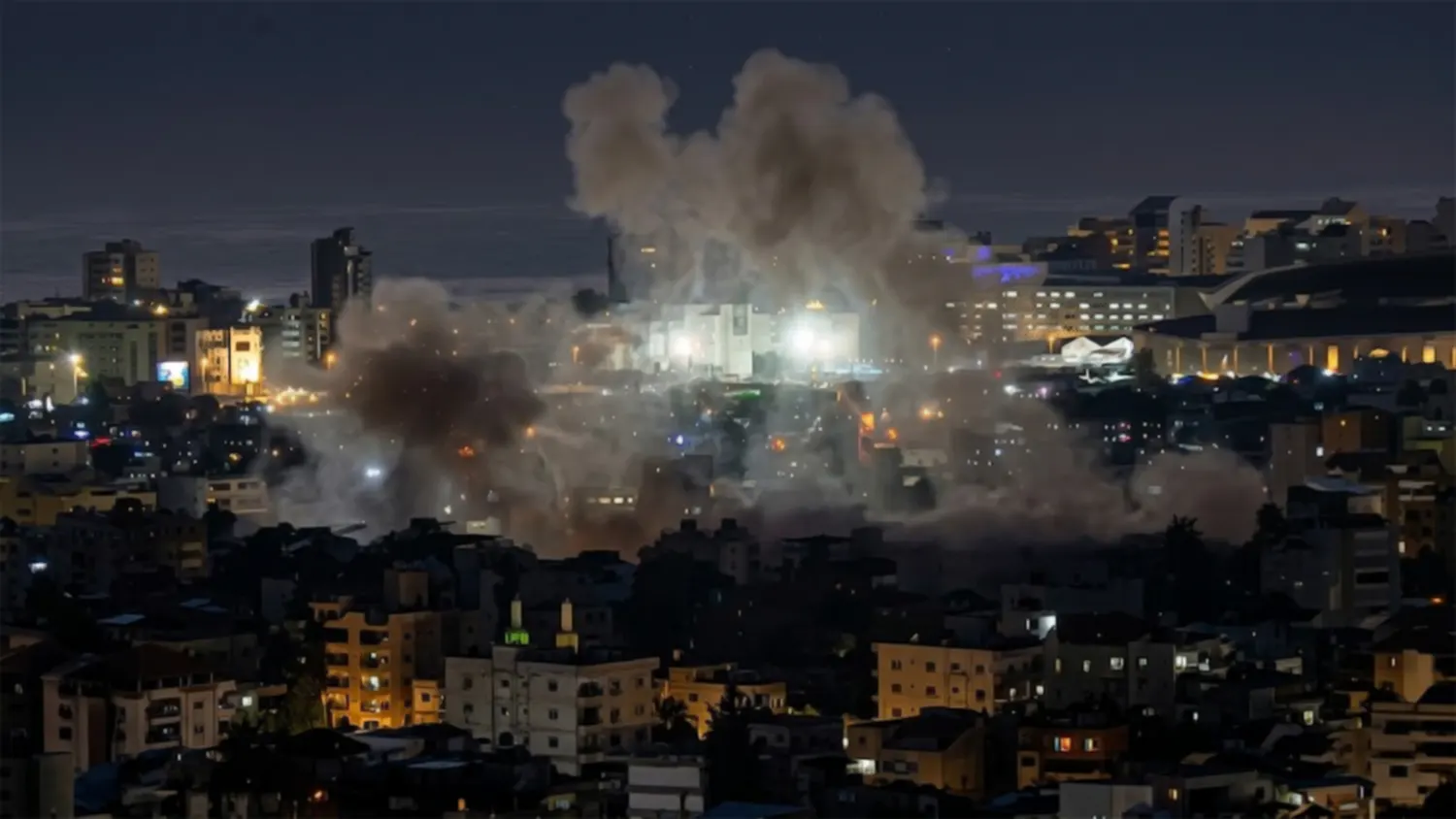
The immediate trigger came Wednesday night, when Israeli warplanes struck Beirut’s southern suburbs, known as Dahieh. The Israeli military later confirmed it had killed Malek Balout, identified as a senior commander in Hezbollah’s elite Radwan Force. The strike marked the first Israeli attack on the Lebanese capital in nearly a month, signaling a major shift in operational rules after weeks of relative restraint.
Israel framed the operation as a preemptive measure. According to the IDF, Balout was involved in planning “imminent” cross-border attacks against Israeli positions. The Radwan Force, Hezbollah’s primary offensive unit, has long been viewed by Israeli security officials as the organization’s spearhead for incursions into northern Israel. By targeting one of its commanders, Israel argued it was acting within the ceasefire’s self-defense provisions. But the real shift came when Hezbollah responded within hours.
On Thursday morning, Hezbollah launched a barrage of rockets and armed drones targeting Israeli troop positions south of the Litani River. Those forces have remained inside southern Lebanon throughout the ceasefire period as part of Israel’s self-declared buffer zone strategy. Israeli officials said no injuries were reported, but the military responded quickly with strikes on 15 additional Hezbollah targets, including weapons depots and field command centers.
A ceasefire built on ambiguity is now collapsing under pressure
At the center of the escalation is a controversial clause embedded within the April 16 agreement. The U.S.-brokered deal allows Israel to take “all necessary measures” in response to planned, imminent, or ongoing attacks. In practice, that language has created two completely different interpretations of self-defense.
Israel argues that the movement or presence of Radwan Force operatives near the border constitutes an imminent threat. That interpretation has justified airstrikes not only in southern Lebanon, but now again in Beirut itself. Israeli officials insist that preventing another October-style infiltration remains their core military objective.
Hezbollah, meanwhile, claims Israel has already violated the spirit of the ceasefire through continued drone surveillance, targeted strikes, and the maintenance of military positions inside Lebanese territory. Although Hezbollah is not formally a signatory to the agreement, the group has repeatedly framed its rocket fire as retaliation against what it calls “ongoing attacks” and occupation.
The result has been a steady erosion of the truce. The United Nations reported this week that Tuesday alone saw 619 Israeli attacks into Lebanon and 30 Hezbollah attacks targeting Israel, the highest daily exchange since the ceasefire began. What makes this even more dangerous is that the fighting has now expanded north of the Litani River, beyond the original security zone envisioned under the agreement.
That geographic expansion is raising fears inside Lebanon that Israel may be preparing to deepen its military footprint. For the first time since April, the IDF has issued evacuation orders for villages north of the Litani, suggesting preparations for a broader security corridor if Hezbollah rocket fire continues.
Civilians are paying the price as Lebanon’s infrastructure buckles
While military leaders trade accusations over ceasefire violations, civilians across Lebanon are confronting a rapidly worsening humanitarian disaster. The renewed violence has pushed displacement levels to unprecedented levels, overwhelming a country already struggling with economic collapse.
According to updated UN figures, more than 1.6 million people have been displaced since the March escalation, representing nearly one-fifth of Lebanon’s population. Public shelters in Beirut and Mount Lebanon are operating beyond capacity, forcing thousands of families into unfinished buildings, public parks, and makeshift camps with limited sanitation or clean water.
Food insecurity is also accelerating. The UN’s Food and Agriculture Organization and the World Food Programme warned this week that roughly one in four Lebanese citizens now faces acute food insecurity. Supply routes across southern Lebanon have been severely disrupted after multiple bridges over the Litani River were destroyed or rendered unusable.
Those disruptions are already visible in local markets. Bread prices have surged by roughly 30% in some areas because of fuel shortages and transport bottlenecks. Farmers in southern Lebanon and the Bekaa Valley have abandoned crops amid ongoing strikes, deepening concerns that shortages will persist through the summer harvest season.
Healthcare systems are now approaching collapse as well. The World Health Organization says it has documented 151 attacks on healthcare facilities and personnel since March. This week, two major hospitals in Beirut’s southern suburbs evacuated patients after receiving Israeli strike warnings. The closures left trauma victims and chronically ill patients scrambling for treatment elsewhere in an already strained medical network.
Diplomacy is colliding with the reality of war on the ground
The escalation comes at a particularly delicate moment for regional diplomacy. U.S. and Iranian negotiators had reportedly been nearing a broader political understanding tied partly to stability along the Israel-Lebanon front. Tehran has repeatedly warned that a collapse of the ceasefire could derail any wider regional agreement.
Inside Lebanon, the violence is also widening political fractures. President Joseph Aoun and Prime Minister Najib Mikati have pursued diplomatic engagement with Washington and indirect talks connected to Israel. But Hezbollah has condemned those contacts as a “free concession” to Israel, exposing growing divisions within Lebanon’s already fragile political system.
At the same time, pressure is mounting inside Israel. Residents near the northern border have increasingly criticized the ceasefire arrangement, arguing it has failed to restore long-term security. That domestic frustration has reportedly pushed Israeli forces to further entrench positions south of the Litani River rather than withdraw under international pressure.
Aid organizations now warn that the humanitarian response is falling dangerously short. The UN’s emergency appeal for Lebanon remains only partially funded, with roughly 38% of requested assistance secured so far. Relief agencies fear that malnutrition rates among children could rise sharply within weeks if fighting continues and aid access remains restricted.
For now, the ceasefire technically still exists. But on the ground, the distinction between truce and open warfare is becoming harder to see. With both Israel and Hezbollah invoking the same self-defense clause to justify expanding military operations, the agreement designed to stop the conflict may now be fueling its next phase.