
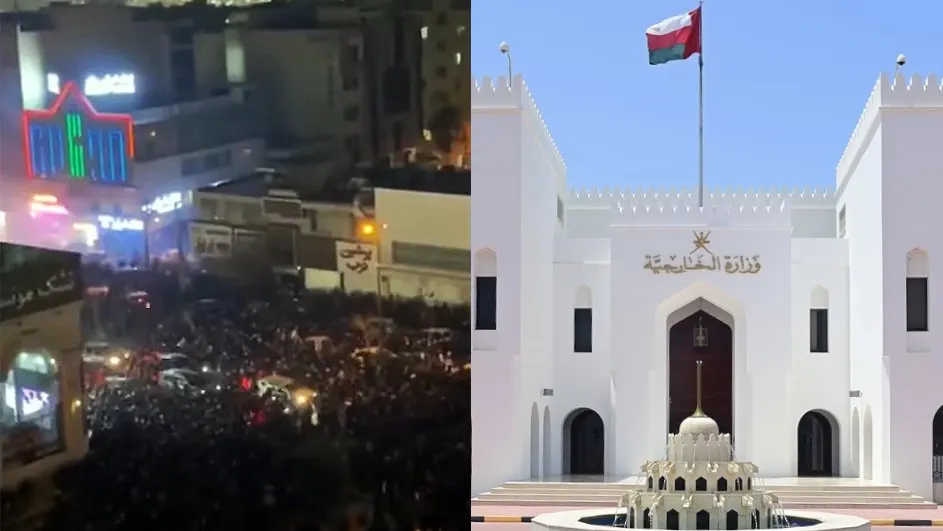
A Domestic Crisis With International Shockwaves
Iran is facing one of the gravest internal confrontations of the post 1979 era. Allegations of mass killings, tens of thousands of detentions, and sweeping internet shutdowns have collided with sensitive nuclear diplomacy between Tehran and Washington.
This domestic bloodletting has directly poisoned the atmosphere in Muscat, where indirect nuclear talks mediated by Oman are being weighed under the shadow of sanctions and military deterrence.
The Death Toll: A Dispute With No Clear Ceiling
The number of people killed remains the most explosive and uncertain element.
- Official Iranian figure (Jan 21): 3,117 deaths, including security forces and civilians described as caught in crossfire.
- HRANA (Feb 12): 7,002 verified deaths. The U.S. based activist group says the real number is likely higher, citing alleged threats against families and information suppression.
- Higher end estimates: A late January report by Iran International, citing leaked documents, suggested the toll could reach 36,500. Separately, some UN experts and medical sources have floated figures above 20,000.
These upper tier estimates remain unverified. But their existence underscores the core issue: the near total communications blackout has created an information vacuum where certainty collapses and suspicion expands.
January 8–9: Now Labeled the “2026 Iran Massacres”
International monitors increasingly refer to January 8–9 as the “2026 Iran Massacres.” It is described as the deadliest two day episode of violence in the Islamic Republic’s modern history.
According to human rights organizations:
Security forces reportedly used live ammunition. Heavily armed units flooded major cities. Arrests surged.
Tehran, Rasht, and Mahabad are frequently cited as flashpoints.
More than 26,000 people are believed to have been detained. Advocacy groups say many face mass proceedings without legal counsel. There are also allegations still under investigation that families have been forced to pay large sums to retrieve bodies.
The UN Track: Documentation for Future Accountability
The UN Security Council remains divided on sanctions. The Human Rights Council has moved on investigation instead.
On January 23, it voted 25–7 to extend the mandate of its Independent International Fact Finding Mission for two years.
Mission Chair Sara Hossain says evidence of extrajudicial killings, torture, and sexual violence is being collected to assess potential crimes against humanity. UN rights chief Volker Türk has cited allegations that injured protesters were pursued into hospitals.
This is legal groundwork. Slow, methodical, and consequential.
Sanctions: Fragmented but Expanding
While UN wide sanctions appear unlikely, Western measures have intensified.
- European Union: On January 29, EU foreign policy chief Kaja Kallas announced the formal terrorist designation of the IRGC, after France dropped its earlier opposition. A major policy shift.
- United Kingdom: Asset freezes targeting senior officials, including the interior minister.
- United States: New sanctions against officials tied to the crackdown and expanded February 6 measures targeting Iran’s “shadow fleet” oil tankers. Washington has also signaled possible secondary sanctions.
- Canada: Expanded travel bans to include mid-level security officials.
The sanction hammer is falling but through national capitals, not New York.
Nuclear Talks in Oman: Narrower, Harder, More Political
Indirect negotiations continue to be explored in Oman. The diplomatic channel is active but strained.
U.S. lead negotiators Steve Witkoff and Jared Kushner have been seen meeting Omani Foreign Minister Badr Albusaidi. But the agenda is contested.
Tehran calls enrichment a red line.
Washington calls it a non starter.
U.S. Position
- Pushes for zero enrichment.
- Wants missiles included.
- Senior officials signal human rights now shape the political space for any deal.
The USS Abraham Lincoln carrier group reinforces the deterrence message.
Iran’s Position
- Refuses to abandon enrichment.
- Demands sanctions relief first.
- Seeks nuclear only talks.
Analysts describe a “creative” approach: cap enrichment at low levels, dilute stockpiles, buy time. Stabilize the economy. Regain internal control.
Regional Pressure and the “Snapback” Risk
Israel has warned against prolonged diplomacy that excludes missile restrictions. Turkey has cautioned that forcing that issue now could spark escalation.
Meanwhile, the UK, France, and Germany retain the “snapback” mechanism from the 2015 deal an option that could automatically restore prior UN sanctions.
That card is still on the table.
Domestic Tension: The Clock Is Ticking
Inside Iran, reformists have reportedly been detained and internet restrictions remain widespread. Activists point to the approaching 40 day mourning period for those killed in January as a potential trigger for renewed protests.
Economic strain continues. Public anger simmers.
The Bottom Line
This is no longer a compartmentalized nuclear negotiation.
It is a crisis where domestic repression, sanctions policy, military signaling, and diplomatic bargaining are fused into a single pressure system.
And time is not neutral.
As families begin the traditional 40 day mourning period for the January victims, the regime is racing to trade nuclear concessions for the economic relief it needs to prevent the next explosion of rage.