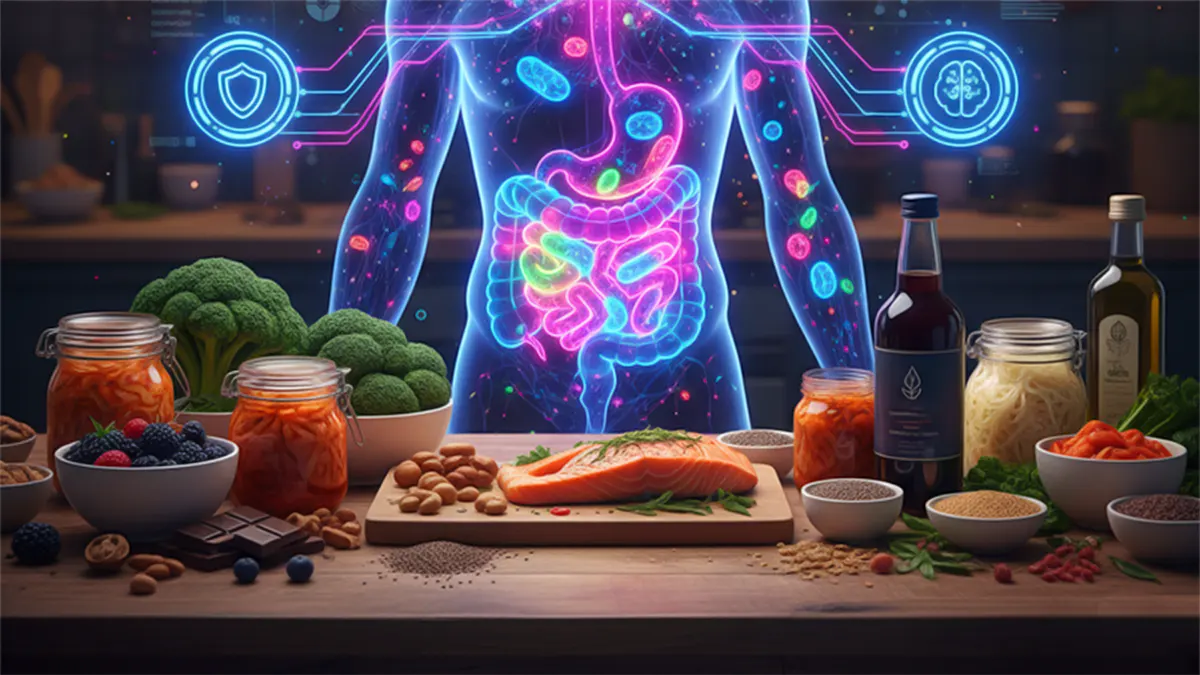
When most people think about boosting their immune system, they usually think of vitamin C supplements, exercise, or flu shots. But scientists say one of the most important parts of your immune defense system is actually found inside your digestive tract.
Your gut is home to trillions of microorganisms, often called the gut microbiome. These tiny organisms do much more than help digest food, they play a major role in protecting your body from illness and supporting overall health.
Researchers now believe that around 70% of the immune system is connected to the gut, making gut health one of the biggest factors in how well your body fights disease.
Why the Gut Is So Important for Immunity
The lining of the digestive system acts like a protective barrier between your body and harmful substances.
Its job is to absorb nutrients while blocking dangerous bacteria, viruses, and toxins from entering the bloodstream. A healthy gut microbiome helps keep this barrier strong and balanced.
When the gut is functioning properly, beneficial bacteria produce compounds known as short-chain fatty acids (SCFAs). These compounds help:
- Strengthen the gut lining
- Reduce inflammation
- Support healthy immune responses
- Provide energy for gut cells
One of the most important SCFAs is butyrate, which researchers say plays a key role in maintaining digestive and immune health.
What Happens When Gut Health Declines
Problems begin when the balance of bacteria inside the gut becomes disrupted, a condition known as dysbiosis.
Poor diet, stress, lack of sleep, illness, and antibiotics can all contribute to this imbalance.
Over time, this may weaken the gut lining and lead to what many people call “leaky gut.” This happens when unwanted substances pass through the intestinal wall and enter the bloodstream.
As a result, the immune system can become overactive, leading to chronic inflammation that may contribute to health problems such as:
- Irritable bowel syndrome (IBS)
- Autoimmune disorders
- Digestive discomfort
- Fatigue
- Skin issues
The Best Foods for a Healthy Gut
Experts say diet is one of the most powerful ways to improve gut health naturally.
Prebiotics Feed Good Bacteria
Prebiotics are fibers that nourish healthy bacteria already living in the gut.
Good sources include:
- Garlic
- Onions
- Bananas
- Oats
- Asparagus
- Leeks
Eating a variety of fiber-rich foods helps support different types of beneficial microbes.
Probiotics Add Healthy Bacteria
Probiotics contain live microorganisms that help replenish the gut microbiome.
Popular probiotic foods include:
- Yogurt with live cultures
- Kefir
- Kimchi
- Sauerkraut
- Kombucha
- Tempeh
Adding fermented foods regularly may help improve digestion and immune function.
Polyphenols Help Reduce Inflammation
Polyphenols are plant compounds with antioxidant properties that also support gut bacteria.
Foods rich in polyphenols include:
- Berries
- Green tea
- Dark chocolate
- Olive oil
- Almonds
These foods may help lower inflammation and improve overall gut balance.
Omega-3s Support the Gut Lining
Omega-3 fatty acids are known for their anti-inflammatory effects and may help maintain a healthy digestive system.
Strong sources include:
- Salmon
- Sardines
- Mackerel
- Chia seeds
- Walnuts
- Flaxseeds
The Powerful Link Between the Gut and Brain
Scientists also continue to study the gut-brain axis, the communication network between the digestive system and the brain.
The gut produces many important neurotransmitters, including serotonin, which influences mood, stress levels, and mental health.
Because of this connection, lifestyle habits can strongly affect gut health.
Stress Can Disrupt the Gut
Chronic stress may alter the balance of gut bacteria and weaken the digestive barrier.
Activities such as meditation, deep breathing, and yoga may help reduce stress and support healthier digestion.
Sleep Matters More Than You Think
Gut bacteria follow a natural daily rhythm linked to sleep cycles.
Poor sleep can reduce microbial diversity and negatively affect immune health over time.
Exercise Benefits Gut Bacteria
Regular physical activity has been linked to increased levels of beneficial bacteria and improved immune system function.
Even moderate exercise can support a healthier microbiome.
Simple Ways to Improve Gut Health
Experts recommend several easy habits to support the gut naturally:
- Eat more plant-based foods
- Add fermented foods to meals
- Drink enough water
- Get consistent sleep
- Manage stress levels
- Stay physically active
- Pay attention to foods that trigger discomfort
Small daily changes can have a major impact over time.
A Healthier Gut May Mean a Healthier Body
The growing research around gut health continues to reshape how experts view immunity and overall wellness.
Rather than focusing only on digestion, scientists now see the gut as a central control system that influences inflammation, mental health, and disease protection throughout the body.
By improving gut health through better nutrition and lifestyle choices, people may also strengthen their body’s natural defenses and long-term well-being.