
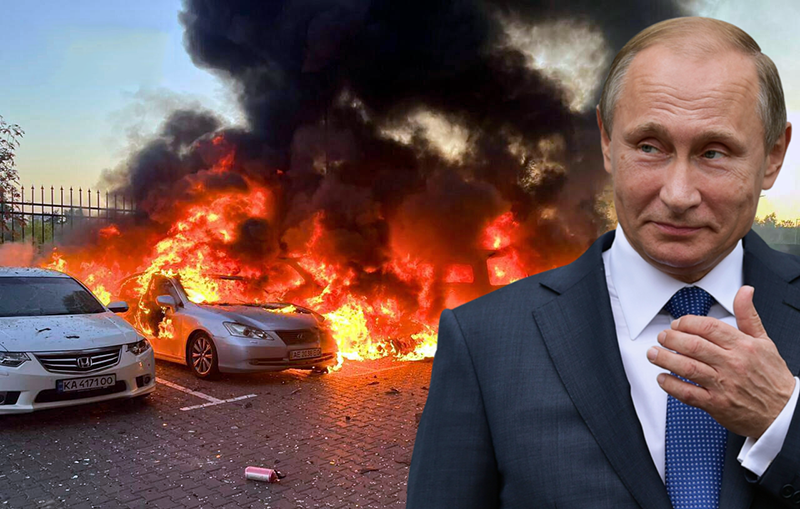
Ukraine – Russia has executed a large-scale aerial assault on Ukraine, using a significant number of drones and missiles. This attack targeted at least nine Ukrainian regions, including civilian infrastructure, resulting in multiple casualties. While Ukraine’s air defenses successfully intercepted a large portion of these, some still reached their intended targets. This type of saturation attack, where numerous, inexpensive drones are used alongside more expensive missiles, is a tactic designed to overwhelm and exhaust air defense systems. The sheer number of projectiles used in this assault makes it one of the largest in recent weeks, indicating an evolving strategy by Russia to strain Ukraine’s defenses.
Poland’s and NATO’s Response
Poland’s decision to scramble jets was a precautionary measure aimed at protecting its airspace from potential incursions, stray debris, or accidental violations. The Polish military stated that its ground-based air defense systems and radar reconnaissance were put on maximum readiness. Such events have sparked discussions within the alliance about how to respond to these recurring “stress tests” of their defenses, with some officials calling for a no-fly zone over Ukraine.
Broader Implications
This incident highlights several key concerns: the constant threat to civilian safety, the strain on air defense resources for both Ukraine and neighboring NATO countries, and the escalation risk if a missile or drone were to accidentally strike NATO territory. Ukrainian President Volodymyr Zelensky has condemned the attacks, calling them a deliberate strategy to terrorize civilians, and is urging Western allies for more air defense systems and stronger sanctions. He is set to meet with U.S. President Donald Trump at the United Nations to push for more sanctions against Russia. Meanwhile, Russia continues to deny targeting civilians and claims its military actions are in accordance with international law