What happens behind closed prison doors in conflict zones is often hidden from the world. But a new United Nations backed investigation is pulling back that curtain and what it reveals is deeply disturbing.
A recent report by the Independent Investigative Mechanism for Myanmar (IIMM) documents systematic torture and widespread human rights abuses across detention facilities in Myanmar. Based on extensive evidence, the findings point to a pattern of violence that is not random but organized and sustained.
Inside the Investigation: A Pattern, Not Isolated Incidents
The report, covering July 2024 to June 2025, is built on hundreds of eyewitness testimonies, along with supporting evidence collected by investigators.
What emerges is not a series of isolated abuses, but a coordinated system of mistreatment carried out by military and security forces.
This distinction matters. When abuse is systematic, it suggests:
- Institutional involvement or approval
- A clear chain of command
- Potential grounds for international prosecution
And that’s exactly where this case appears to be heading.
The Methods: Brutality as a Tool of Control
The report outlines a range of torture methods that are both severe and deeply troubling.
Among the most documented abuses:
- Physical violence: Beatings, electric shocks, strangulation
- Sexual violence: Including gang rape and targeted assaults
- Extreme torture leading to death in some cases
These are not just acts of violence, they are described as tools used to intimidate, punish, and extract compliance.
Victims Beyond Politics: A Wider Net of Targeting
While political prisoners are often at risk in such environments, this report highlights a broader pattern.
Victims include:
- Activists and journalists
- Civilians with no direct political role
- Children used as leverage
One of the most alarming findings is the detention of children as young as two years old. Investigators say these children are being held as proxies for missing parents, a tactic designed to pressure families into surrendering or cooperating.
This expands the scope of the crisis from political repression to collective punishment and psychological warfare.
Following the Chain of Command
The investigation goes beyond documenting abuse, it seeks accountability.
While names have not yet been made public, the IIMM confirms it has identified:
- Direct perpetrators
- Senior military commanders overseeing detention systems
Investigators are also examining the role of the Myanmar Air Force, particularly in connection with attacks on civilian infrastructure such as:
- Schools
- Hospitals
- Residential areas
This broader analysis strengthens the case that abuses are not isolated, but part of a larger operational strategy.
Legal Consequences: The Path to Accountability
The evidence gathered is already being used in international legal proceedings.
Key developments include:
- Support for cases at the International Criminal Court (ICC)
- Ongoing legal scrutiny at the International Court of Justice (ICJ)
- A request for an arrest warrant for military leader Min Aung Hlaing
This marks a critical shift from documentation to potential prosecution.
While justice in such cases often takes years, the groundwork is clearly being laid.
A Worsening Crisis Beyond the Prisons
The report doesn’t exist in isolation, it reflects a broader humanitarian crisis unfolding in Myanmar since the 2021 military coup.
Key concerns include:
- Increasing frequency and brutality of abuses
- Millions of people displaced from their homes
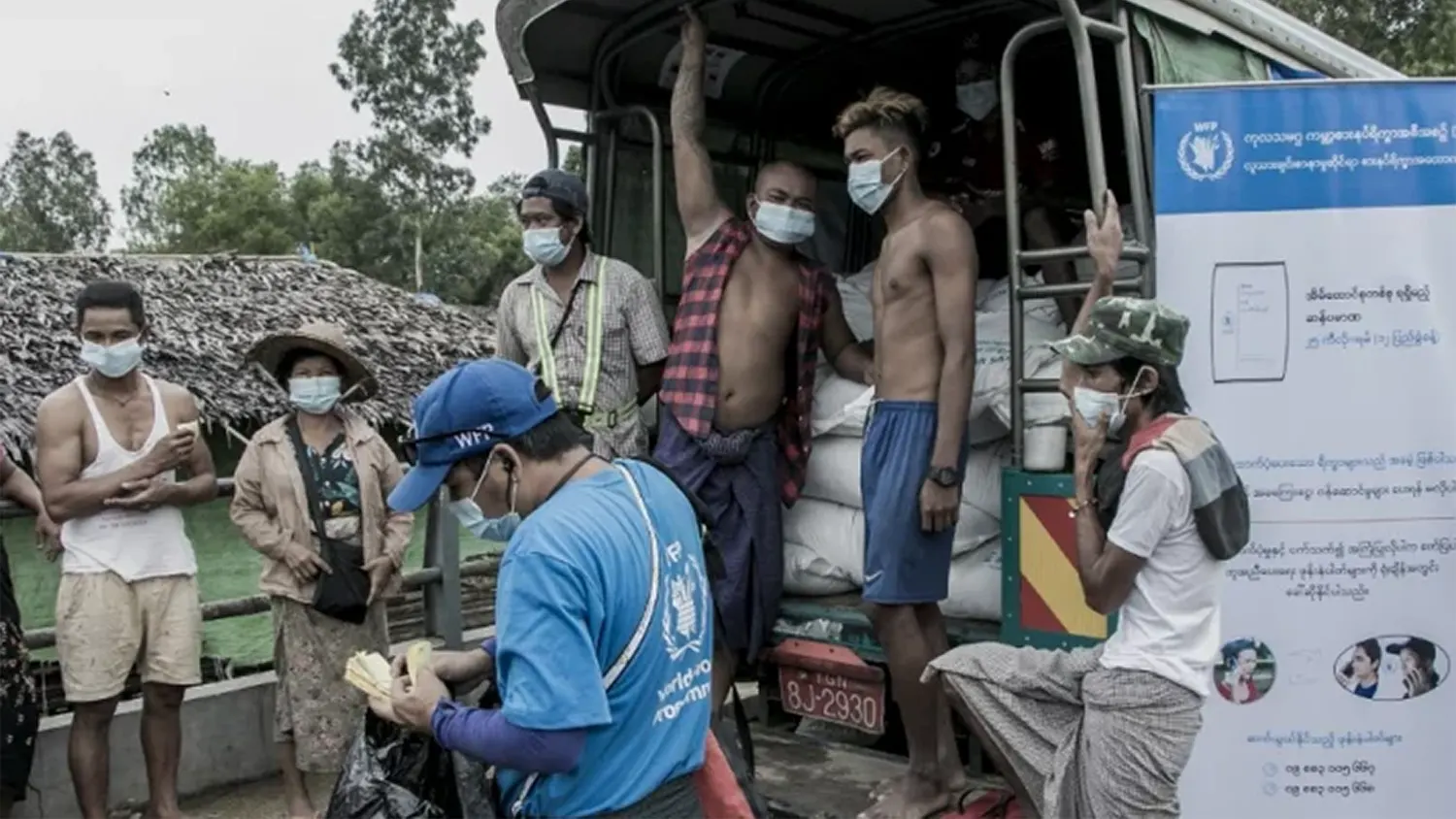
- Growing demand for humanitarian aid
The detention system is just one part of a much larger picture of instability and suffering.
Why This Report Matters Now
This isn’t just another human rights report, it’s a critical piece of evidence in an ongoing international effort to hold perpetrators accountable.
It also raises urgent questions:
- How can the international community respond effectively?
- What protections can be put in place for vulnerable populations?
- And how long can such abuses continue without consequence?
A Growing Call for Justice
The findings from Myanmar are difficult to read but they are essential to understand.
They remind us that behind every statistic is a human story. And behind every report is a call for action.
As investigations continue and legal processes unfold, one thing is clear:
The world is watching and the demand for accountability is growing louder.