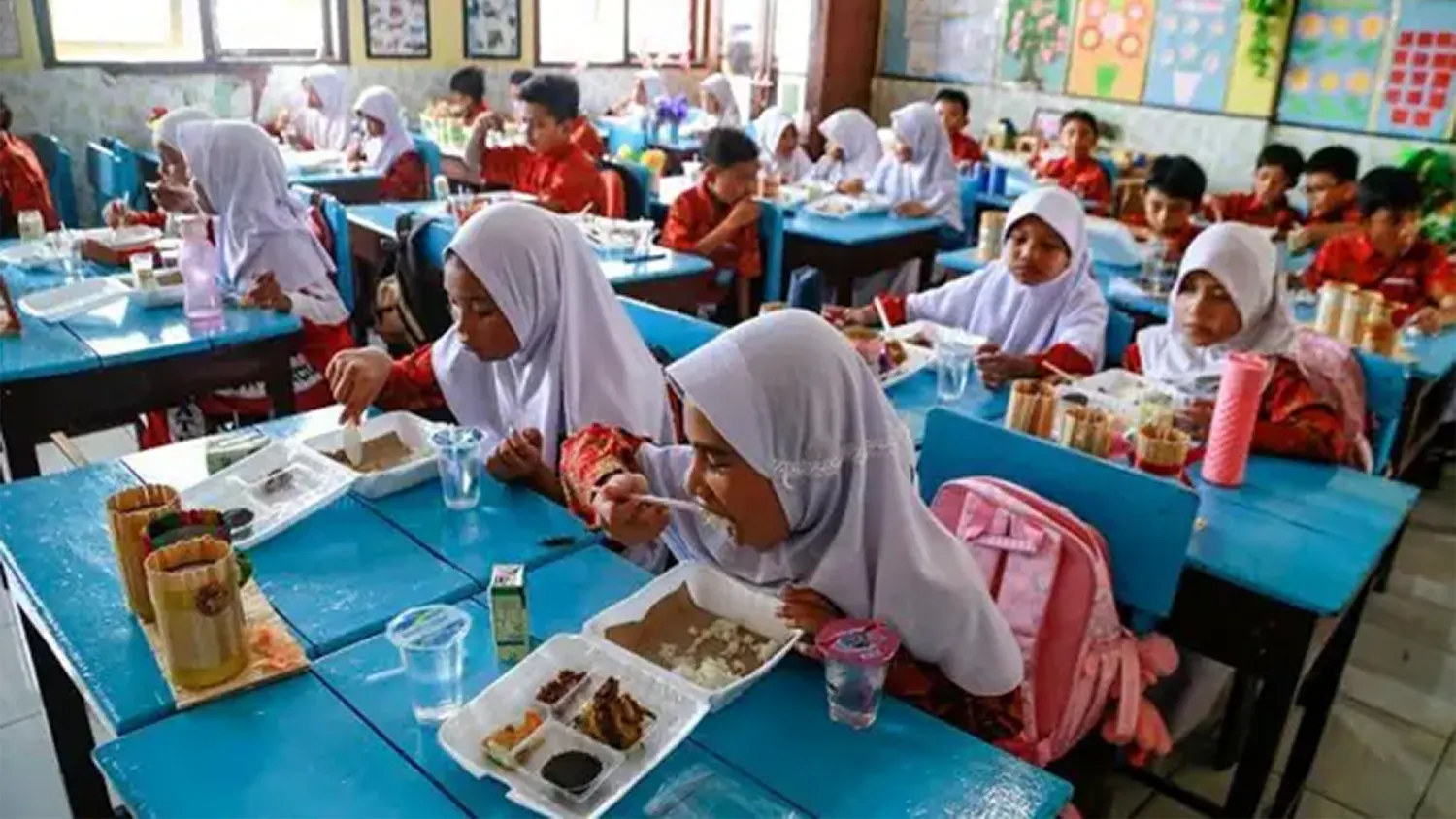
Indonesia’s ambitious school feeding initiative is under pressure after hundreds of students fell ill. The Free Nutritious Meals (MBG) program, a flagship policy of Prabowo Subianto, is now facing serious questions about safety and execution.
What was designed to fight malnutrition is now confronting a different challenge: growing public concern over food safety and quality control.
A Major Outbreak Raises Red Flags
The latest incident in Sragen has become the most severe case linked to the program so far. More than 365 people, mostly students, reported food poisoning symptoms after consuming school meals.
This is not an isolated event. Nationwide, over 1,000 reported cases of food poisoning have now been linked to the program since its launch.
Earlier, a separate outbreak in West Java saw more than 200 students hospitalized. Lab tests confirmed the presence of dangerous bacteria like Salmonella and E. coli, raising alarms about food handling practices.
As these incidents add up, the issue is shifting from a one off failure to a systemic concern across multiple regions.
The Ambition Behind the Program
Despite the setbacks, the MBG program remains one of the most ambitious public health initiatives in Indonesia.
Its core goal is to address childhood malnutrition and stunting, problems that have long affected millions of children across the country.
The scale is massive:
- Targeting 83 million beneficiaries by 2025
- Supported by a large government budget
- Operated through thousands of kitchens nationwide
The idea is simple but powerful provide consistent access to nutritious meals to improve long term health and development.
However, the rapid expansion of the program is now exposing logistical and operational risks that are difficult to manage at such scale.
Government Response and Immediate Actions
In response to the Sragen outbreak, authorities acted quickly.
Food distribution from the affected kitchen has been temporarily suspended, and samples have been sent for laboratory testing to identify the exact source of contamination.
The government has also committed to covering all medical costs for affected individuals, aiming to reassure the public.
While these steps are necessary, they address the immediate crisis rather than the underlying issue: ensuring consistent food safety standards across a nationwide program.
Growing Concerns Over Safety and Cost
As incidents continue, criticism is intensifying.
Observers are raising concerns about:
- The effectiveness of hygiene protocols
- Oversight across thousands of kitchens
- The financial burden on the national budget
Managing food safety at this scale requires strict monitoring, trained personnel, and reliable supply chains. Any weak link in the system can lead to widespread consequences.
This has led to increasing calls for stricter quality control measures and better accountability mechanisms.
Final Thoughts
The Free Nutritious Meals program represents a bold effort to improve Indonesia’s future. But its success now depends on more than ambition.
To move forward, the government must address food safety risks, operational gaps, and public trust quickly and transparently.
If these challenges are resolved, the program could still deliver long term benefits. If not, it risks undermining the very goal it was meant to achieve.
The coming months will be critical in determining whether this initiative becomes a public health success or a cautionary example of scale without control.