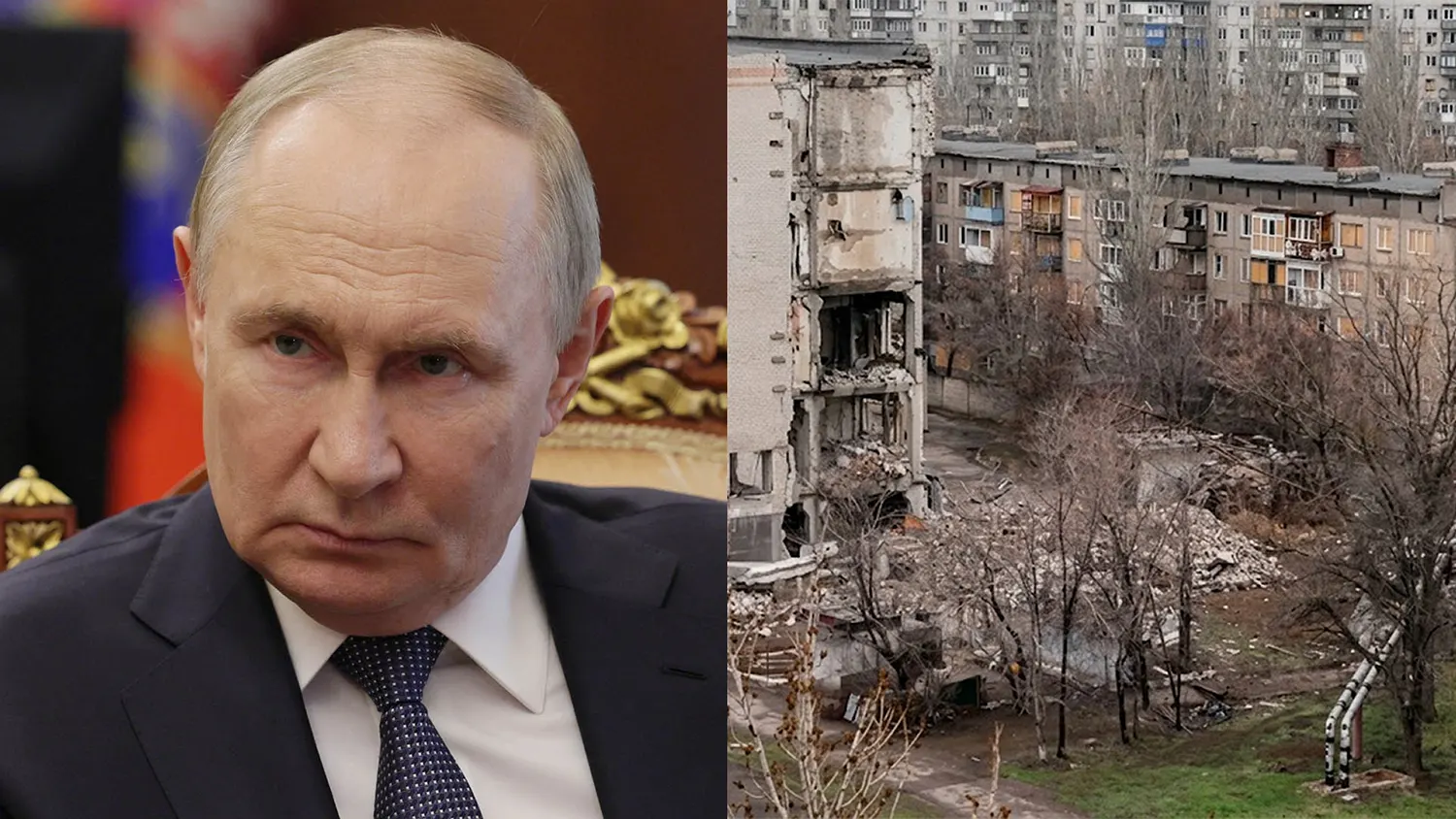
Vladimir Putin stood at a forward command post this week and declared victory. Flanked by Chief of the General Staff Valery Gerasimov, the Russian president announced that his forces had taken full control of Kostiantynivka, a heavily fortified industrial city in Ukraine’s eastern Donetsk region. Moscow is calling it a turning point. Kyiv is calling it a fabrication. And the ground truth, according to independent trackers, is messier than either side wants to admit.
Moscow’s Victory Lap
The Kremlin didn’t hold back on the framing. Putin described the capture as the “first, but very important, stage” in breaking through Ukraine’s Slovyansk-Kramatorsk defensive hub, one of the last major obstacles standing between Russian forces and deeper control of Donetsk. Russia’s Defense Ministry released Telegram footage showing soldiers raising national flags near damaged buildings, and Gerasimov told Putin that troops from the Southern Group of Forces had completed the offensive operation. Kremlin spokesperson Dmitry Peskov went further, telling reporters the city was “fully captured” and crediting the outcome to the “heroism” of Russian soldiers.
Kyiv’s Flat Rejection
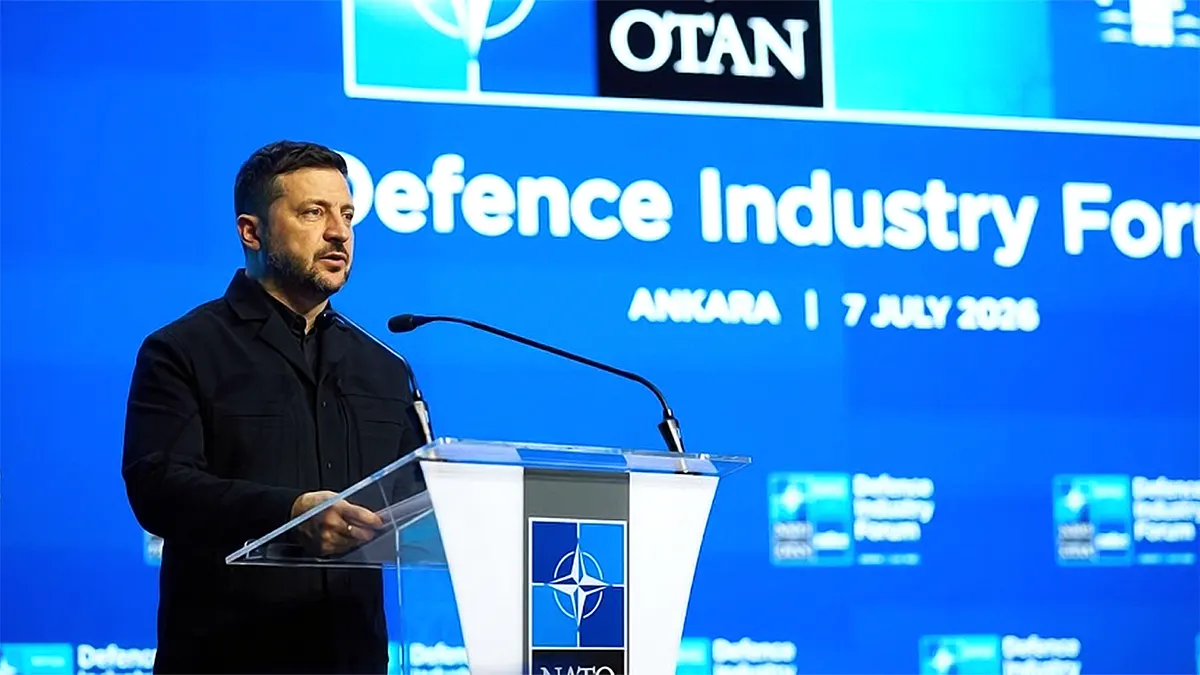
Ukraine wasted no time pushing back. President Volodymyr Zelenskyy dismissed the announcement outright, calling it a lie designed to generate headlines rather than reflect reality. His response carried a pointed challenge: if Kostiantynivka were truly under Russian control, he said, Putin would have no reason to avoid meeting him there to negotiate an end to the war.
That rejection wasn’t just political theater. Major Andriy Kovalev, spokesperson for Ukraine’s General Staff, confirmed that small groups of Russian infantry had infiltrated parts of the city, calling the situation “difficult,” but insisted the 19th Army Corps continues to hold its defensive lines both inside and around the settlement. Ukraine’s General Staff went a step further, saying Russia carried out 11 assault actions on July 3 alone without success, and accused Moscow of spreading disinformation at the highest levels.
What Independent Trackers Are Actually Seeing
Caught between two irreconcilable claims, groups like the Institute for the Study of War (ISW) and battlefield mapping project DeepState offer a third picture, and it lines up with neither Moscow’s triumphant announcement nor a simple story of Ukrainian control holding firm. Their assessment: Russia does not have full control of the city, but Ukraine’s grip on it is under real, mounting strain.
Rather than a cleanly captured city, Kostiantynivka has become an active, grinding urban battlefield:
- Frontlines are tangled, not clean. Russian forces have pushed in from multiple directions, advancing along the H-20 highway from the southwest, entering western districts like Illinivka, and driving deep into the eastern side of the city. Fighting has reached as far as the zinc plant and areas near the central railway station, with positions so interspersed that combat is happening street by street.
- Semi-encirclement is a real threat. Russian gains in the nearby village of Novodmytrivka have raised alarms among Ukrainian field commanders, including leadership from the 28th Mechanized Brigade, who warn that eastern and western Russian advances are squeezing defenders into a dangerous pincer.
- The city has been turned into a kill zone. Constant glide bomb strikes, heavy artillery, and a dense swarm of Russian FPV drones have left much of Kostiantynivka nearly unrecognizable, according to independent observers tracking the fighting.
- Supply lines are being strangled. Russia has deployed advanced drone units, including the specialized “Rubicon” center, to target Ukrainian logistics in the area. It’s the same attritional playbook seen in the grinding campaigns for Bakhmut and Pokrovsk: rather than force a fast breakthrough, Russia is slowly cutting off the defenders’ ability to resupply.
Why This One City Matters So Much
Kostiantynivka isn’t just another contested town. It anchors the southern end of what military analysts call Ukraine’s “fortress belt”, a chain of heavily fortified industrial cities, including Sloviansk, Kramatorsk, and Druzhkivka, that has held back Russian advances through Donbas for years. If Russia secures the city outright, it opens a direct path north toward Kramatorsk, widely seen as Moscow’s primary target in the region.
That’s precisely why both sides are fighting so hard over the narrative as much as the territory. A confirmed fall of Kostiantynivka would hand Russia a genuine operational win and a propaganda victory heading into the next phase of the campaign. A false claim, exposed as such, does the opposite: it undercuts Moscow’s credibility while Ukrainian forces are still bleeding resources trying to hold the line.
The Bottom Line
Neither side’s version fully holds up against what analysts are tracking on the ground. Russia’s declaration of complete capture appears premature at best, but Ukraine’s position inside the city is genuinely precarious, not the stable defensive hold Kyiv’s messaging implies. Analysts warn that without a fix to logistics and a way to counter the flanking pressure from Novodmytrivka, Kostiantynivka could realistically fall to Russian forces before the end of the summer. For now, it remains what it’s been for weeks: an unresolved, brutal battleground where the fighting on the ground and the fight over the headlines are happening at the exact same time.