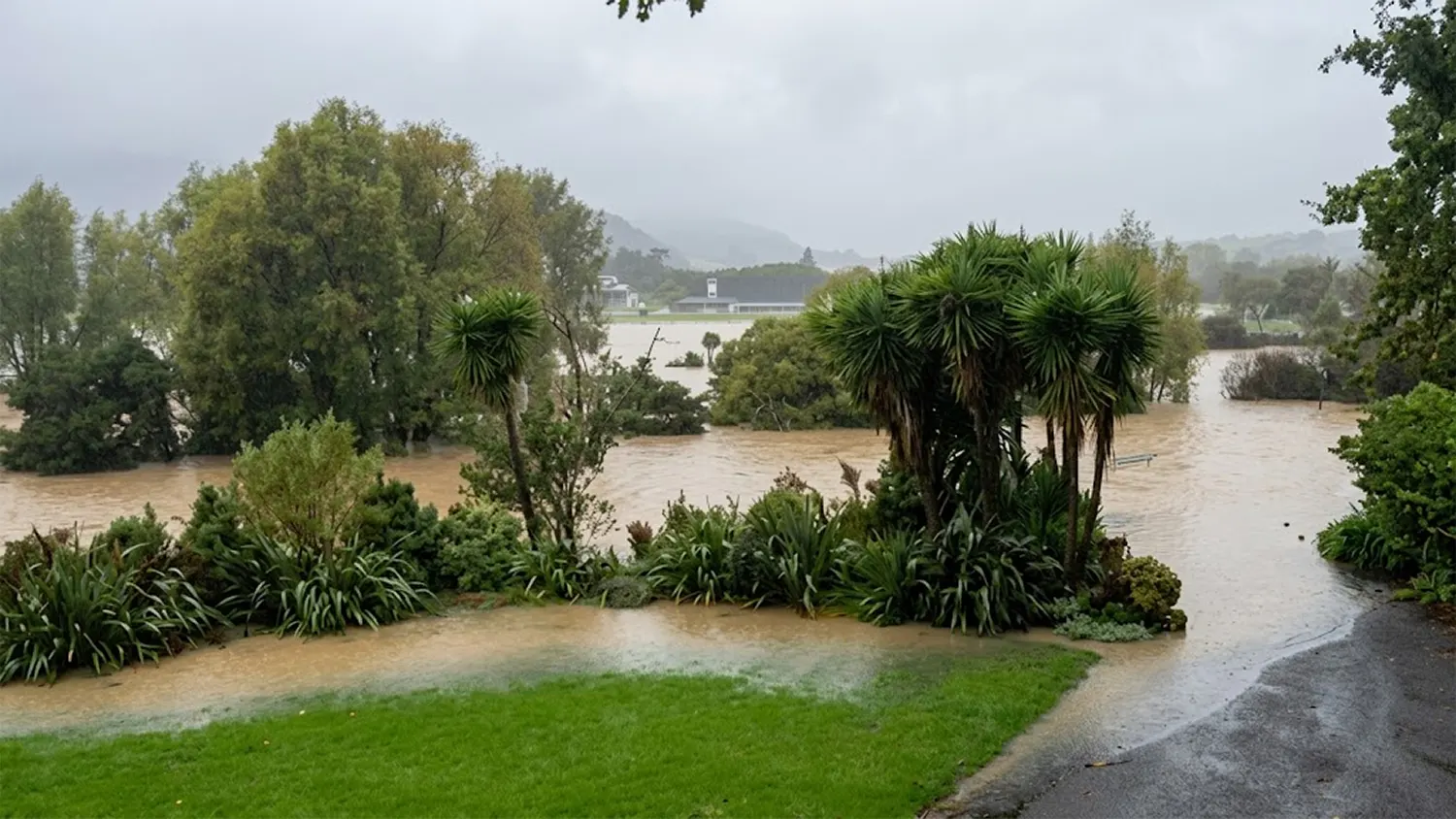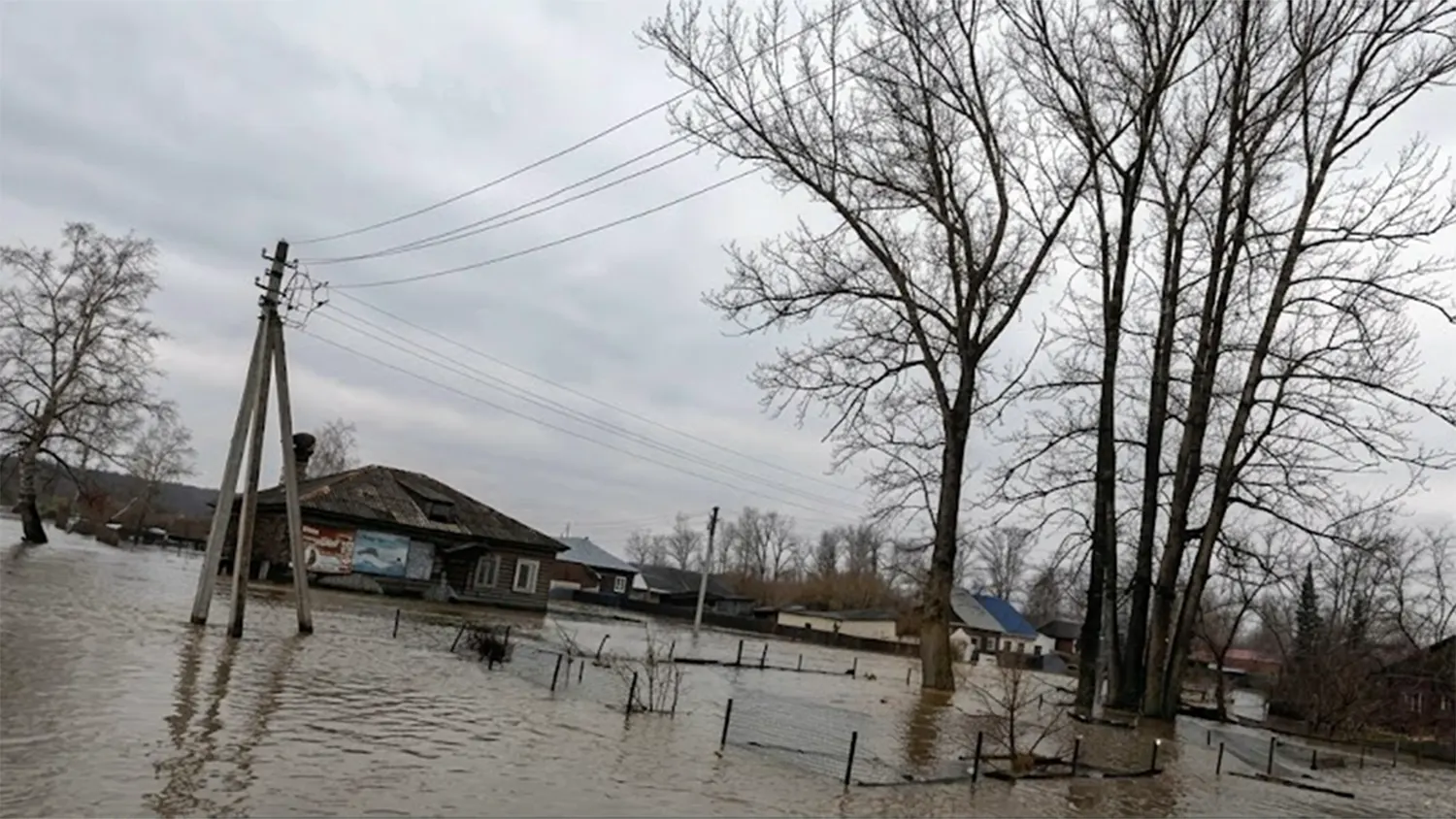
The flooding in southern Russia has entered a far more dangerous phase.
As of April 2026, the disaster in Dagestan and Chechnya has been officially upgraded to
a federal state of emergency, signaling that the situation has exceeded local control. What began as extreme rainfall has now evolved into a complex, multi layered crisis affecting infrastructure, public health, and millions of lives.
Beyond the immediate destruction, new risks are emerging raising urgent concerns about what could happen next.
A Disaster Expanding Faster Than Expected
To understand the scale of the crisis, it’s important to look at how quickly conditions have worsened.
Recent reports show that:
- More than 25 settlements are now severely affected
- Over 1,000 residential buildings remain underwater
- Thousands of household plots are submerged
At least six people, including three children, have died, while over 6,200 residents have been evacuated in Dagestan alone.
What started as localized flooding has now become a widespread regional disaster.
The Breaking Point: Infrastructure Collapse
The turning point came when critical systems began to fail under pressure.
A major breach at the Gedzhukh reservoir on April 5 forced the evacuation of 4,000 people in the Derbent district. At the same time, floodwaters overwhelmed transport networks.
Across the region:
- More than 30 bridges have been destroyed
- Around 70 road sections are damaged or submerged
- Multi story buildings in Makhachkala have partially collapsed
This level of damage has made rescue operations slower and more difficult.
When infrastructure fails, recovery becomes exponentially harder.
Power Outages and Unsafe Water Create a Secondary Crisis
Beyond physical destruction, the disaster has triggered a critical utility breakdown.
Mass Power Failures
At the height of the storm:
- Over 500,000 people lost electricity
- Nearly 300 settlements were affected
- Key substations remain damaged, slowing restoration
Contaminated Water Supply
Even more alarming is the water situation.
In major cities like Makhachkala and Khasavyurt:
- Tap water is officially unsafe to drink
- Flooded sewage systems have contaminated supplies
- Debris, waste, and even animal remains have entered water networks
Access to clean water is now one of the most urgent challenges.
A Growing Public Health Emergency
This utility collapse has led directly to a new threat: disease.
Health authorities have already:
- Launched a mass Hepatitis A vaccination campaign
- Reported hospitalizations from waterborne illnesses
These conditions create a high risk for outbreaks, especially in crowded shelters.
In disasters like this, disease can spread as quickly as the floodwaters.
The “Third Wave” Threat: Why the Crisis Isn’t Over
Even as recovery efforts begin, the weather is working against them.
Meteorologists warn of a “third wave” of flooding, expected to hit around April 11, with heavy rain continuing into the following week.
This is particularly dangerous because:
- The ground is already fully saturated
- Any new rainfall will turn into immediate runoff
- Floodwaters can rise faster than before
In mountainous regions, this increases the risk of:
- Mudslides and landslides
- Sudden, high impact flooding
Each new storm wave compounds the damage from the last.
The Deeper Cause: More Than Just Heavy Rain
While rainfall levels were extreme up to three to four times the monthly average in
a single day, experts say this disaster was not caused by weather alone.
A key factor is poor urban planning and infrastructure gaps.
Investigations reveal:
- Many buildings were constructed directly in riverbeds
- Natural drainage paths were blocked or ignored
- New neighborhoods lack proper stormwater systems
This turned heavy rain into a catastrophic flood event.
Government Response and Ongoing Efforts
In response, federal authorities have stepped in.
The emergency declaration has:
- Released additional funding (over 4 billion rubles for compensation)
- Deployed national rescue teams and resources
- Established 55 temporary shelters for displaced residents
Senior officials, including Emergencies Minister Alexander Kurenkov, are now coordinating efforts on the ground.
Despite this, the scale of the crisis continues to stretch available resources.
A Region Under Pressure
The broader impact is staggering:
- Around 1.5 million people have been affected
- Entire communities remain cut off
- Thousands are living in temporary shelters
And with more rain expected, many fear the worst is still ahead.
Key Takeaways: What This Disaster Reveals
- The crisis has escalated into a federal level emergency
- Infrastructure collapse has worsened the impact
- Power and water systems are severely disrupted
- A public health crisis is emerging
- Additional storms could trigger further flooding and landslides
Final Thoughts: A Critical Moment
The flooding in Dagestan and Chechnya is no longer just a natural disaster, it is a test of resilience, infrastructure, and preparedness.
Every new wave of rain increases the risk, and every delay in recovery raises the stakes.
As the situation unfolds, one thing is clear:
This crisis is not over and the coming days will be crucial.