
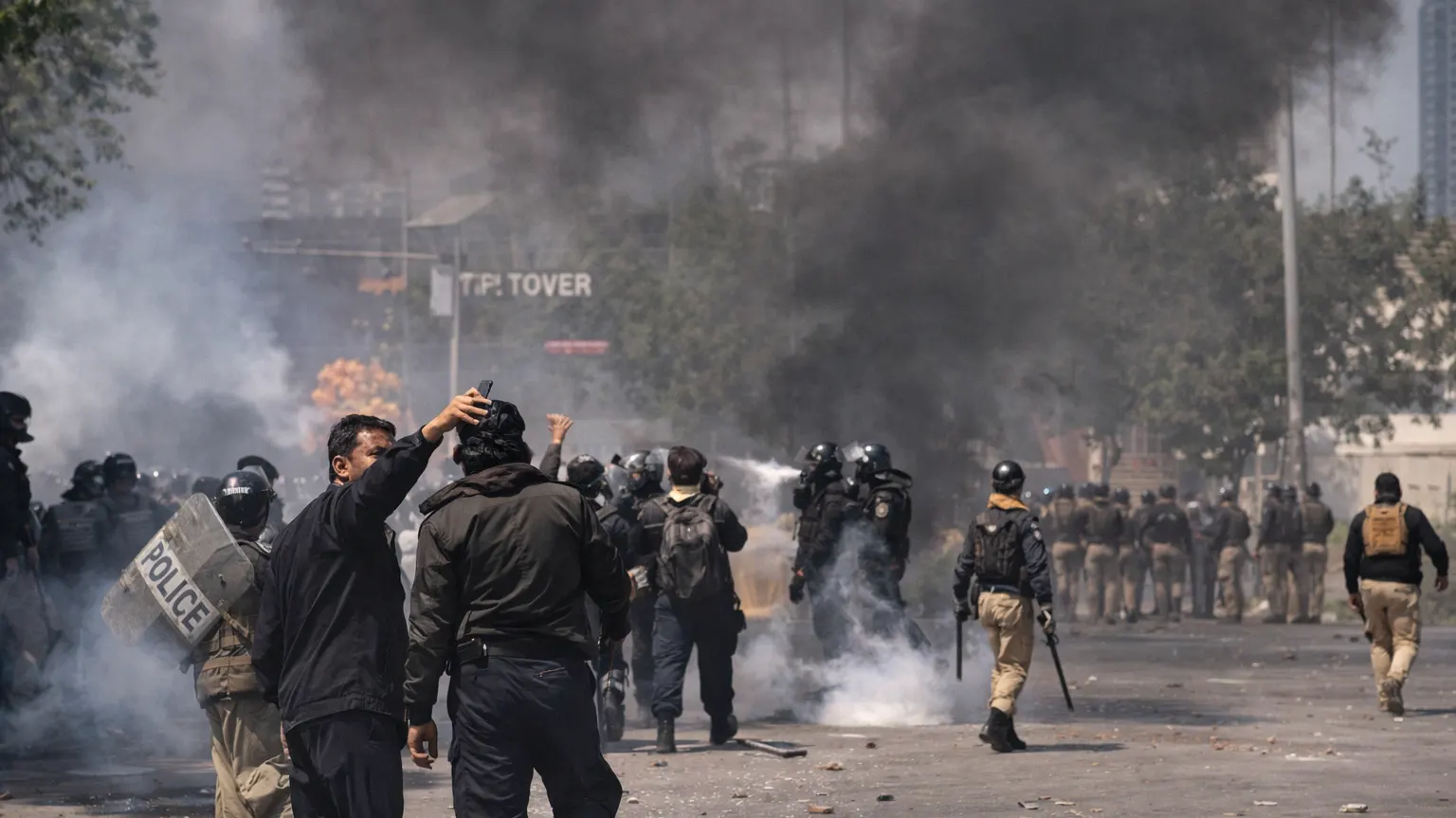
As of March 9, 2026, U.S. government officials are issuing urgent warnings for Americans across the Middle East, South Asia, and surrounding regions. Heightened tensions following a joint U.S.-Israeli strike that killed Iranian Supreme Leader Ali Khamenei have sparked widespread civil unrest, missile threats, and emergency evacuations. The U.S. Department of State has released comprehensive security alerts, travel advisories, and departure orders for both government personnel and private citizens.
The Root of the Crisis
The crisis began with the February 28 U.S.-Israeli military operation, which targeted Iranian infrastructure and resulted in Khamenei’s death. Across the region, this strike has been perceived as a provocation, triggering anger in countries with strong political or religious ties to Tehran.
Public demonstrations erupted immediately in Pakistan, the Gulf states, and parts of the Levant. Cities like Karachi, Islamabad, and Skardu experienced violent clashes with security forces, leaving at least 20 dead in Pakistan alone. International offices were attacked, and protesters attempted to storm diplomatic compounds.
Global protests have also appeared in cities such as Washington,
New York, and London, though these have been smaller and less violent compared to those near the conflict zones.
U.S. Diplomatic and Citizen Response
In response to this rapidly escalating crisis, U.S. embassies and consulates have implemented strict security measures:
- Suspension of consular services: Missions in Israel, Saudi Arabia, the UAE, Pakistan, and other countries have halted routine operations to prioritize safety.
- Mandatory departure orders for U.S. government personnel:
Non emergency staff and family members are required to leave
high risk locations such as Consulates in Karachi and Lahore, UAE missions, and the Consulate General in Adana, Türkiye. - Shelter in place directives: Diplomats remaining in high risk areas
are instructed to stay in secure locations, avoid public exposure, and prepare for potential missile, drone, or rocket attacks.
For private U.S. citizens, the guidance is advisory but urgent: reconsider travel, avoid public demonstrations, and maintain heightened vigilance. While Americans abroad cannot be legally compelled to leave, the government is actively facilitating commercial and limited assistance flights, urging citizens to register with the Crisis Intake Form and the Smart Traveler Enrollment Program (STEP).
Crucially, all Americans government personnel and private citizens
alike are being urged to prioritize departure whenever possible.
Even advisory warnings carry the same immediate and severe risks, including missile strikes, armed conflict, and violent protests near diplomatic facilities.
The Security Landscape: Where the Risk is Highest
Middle East – Level 4 “Do Not Travel” zones:
Iran, Iraq, Israel, the West Bank, Gaza, Jordan, Kuwait, Lebanon, Oman, Qatar, Saudi Arabia, Syria, UAE, and Yemen. Travel in these countries is extremely dangerous due to missile threats, drone activity, and widespread civil unrest.
Emerging fronts and spillovers:
- Türkiye: Southeastern regions under Level 4 advisories after NATO intercepted an Iranian missile. Non emergency staff are departing the Adana Consulate.
- Pakistan: Level 3 “Reconsider Travel” warnings remain. Consulates in Karachi and Lahore have suspended routine operations due to violent protests. Anti U.S. sentiment is particularly strong here.
Even countries previously considered stable, like the UAE or Jordan, are not immune. The threat is multi layered: armed attacks, civil unrest, and logistical constraints, including canceled flights and congested borders.
Practical Guidance for All U.S. Citizens
For Americans in affected regions, self reliance and urgency are paramount. Key actions include:
- Register with STEP for location specific alerts.
- Complete the Crisis Intake Form to ensure the government knows your location and can coordinate departures.
- Maintain emergency supplies: food, water, medicine, and essentials for potential shelter in place scenarios.
- Follow local authorities: red alerts, sirens, and official instructions should be treated as immediate threats.
- Keep travel documents accessible: passports, visas, and emergency contacts must be on hand.
Important distinctions to note:
- Mandatory orders apply to U.S. government personnel: they must leave high risk areas.
- Advisory warnings apply to private citizens, but the situation is so severe that departure is strongly recommended for everyone. The distinction is legal, not practical: in reality, all Americans face urgent risks.
The Crisis Intake Form is a vital tool for tracking Americans in high risk areas. While it does not guarantee evacuation, it allows authorities to prioritize assistance and coordinate limited government facilitated departures. Citizens should be aware that accepting government assisted travel may involve financial reimbursement obligations.
Why This Matters
This is a regional security emergency with global implications:
- U.S. diplomatic reach is immediately constrained, with missions closing and staff departing.
- Private citizens face heightened risk in countries previously considered safe.
- Civil unrest can escalate quickly, even outside traditional conflict zones.
- Global travel and commerce in the region may be disrupted for weeks, impacting energy markets and international trade.
The combination of military escalation, public anger, and targeted threats to Americans abroad represents one of the most serious U.S. diplomatic crises of the decade.
What Happens Next
Authorities are closely monitoring:
- Further regional escalations in the Middle East and South Asia.
- Protests in global cities that could target U.S. embassies or personnel.
- Missile and drone activity in Gulf and Levant airspace.
- Evacuation logistics, particularly the availability of commercial flights or government assisted departures.
For U.S. citizens, the message is clear: do not wait for help, plan
your own exit strategy and maintain constant situational awareness.
Safety Priorities for Americans Abroad
As of March 9, 2026, Americans abroad face a multi front security crisis driven by military action, civil unrest, and regional instability.
The U.S. government is ordering personnel out and advising private citizens to depart urgently, while providing tools like the Crisis Intake Form to help coordinate assistance.
For anyone in the Middle East or South Asia right now, the priorities are simple but vital: stay informed, stay safe, and prepare to move quickly if conditions deteriorate. Self reliance and timely action are as critical as government guidance.
Emergency Resources and Support
For U.S. citizens requiring assistance or safety updates, please use the following official U.S. Department of State resources:
- Enroll in the Smart Traveler Enrollment Program (STEP) to receive location specific security alerts and emergency updates.
- Complete the Crisis Intake Form if you are currently in a high risk area and need to coordinate potential departure assistance.
- Monitor U.S. Embassy and Consulate Travel Advisories for the most current security guidance for your specific location.