
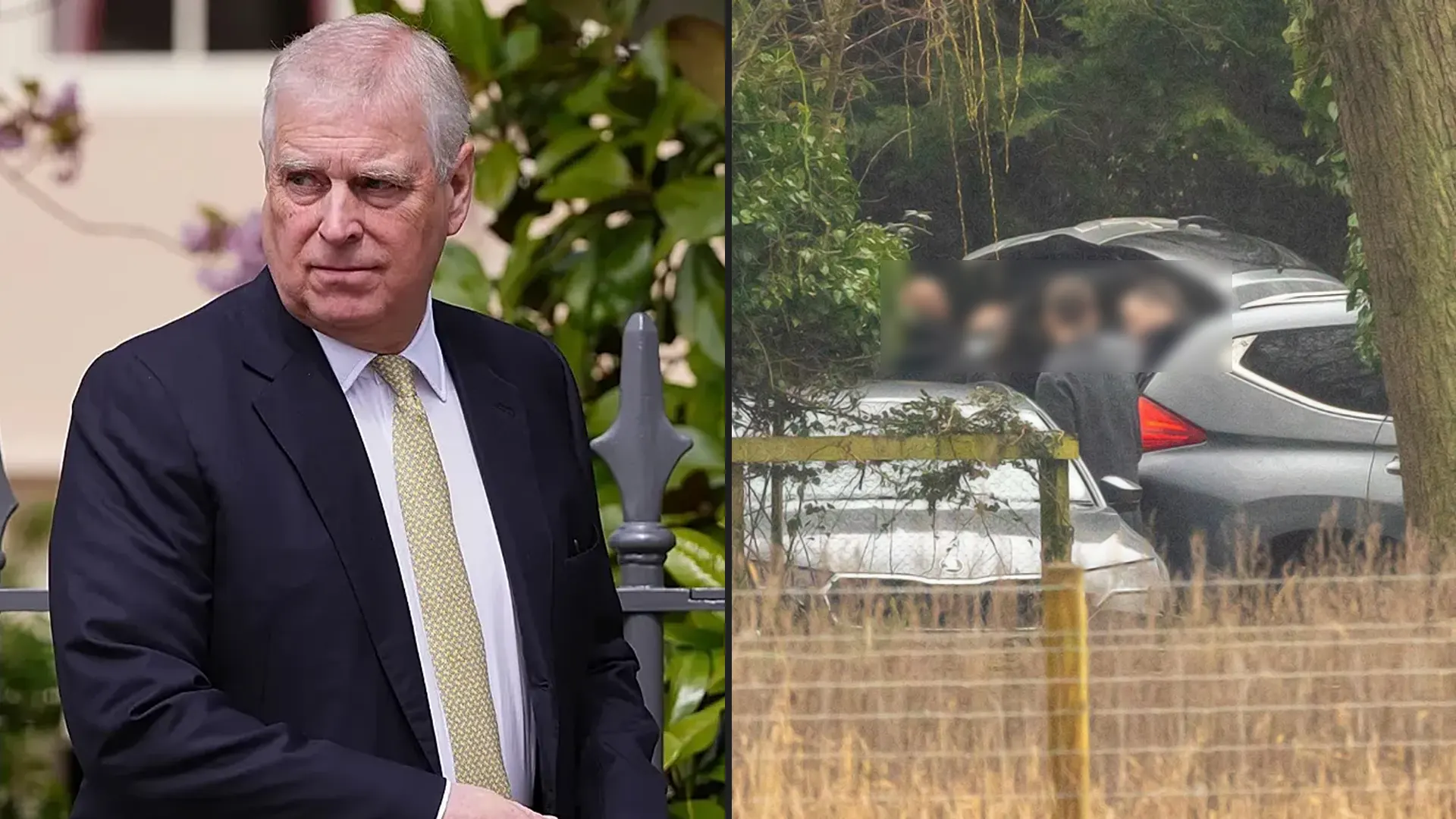
On what should have been a quiet 66th birthday at Sandringham,
Andrew Mountbatten Windsor instead became the first senior member of the modern Royal Family to spend the night in a police cell.
His arrest on February 19, 2026, marks one of the most dramatic moments in recent royal history.
But the charge is not directly about the long running sexual abuse allegations linked to the late financier Jeffrey Epstein. Instead, it focuses on something different: alleged misconduct while holding public office.
What He Has Been Arrested For
Andrew was arrested on suspicion of Misconduct in Public Office.
This is a serious offense under British law. It applies when someone in a position of public trust abuses that role.
The allegation relates to his time as the UK’s Special Representative for International Trade between 2001 and 2011.
According to recently unsealed U.S. court files connected to Epstein’s case, investigators found email records suggesting Andrew shared confidential British trade documents with Epstein.
These documents reportedly included:
- Trade discussions in Singapore and Vietnam
- The UK’s approach to technology exports to China
- Geological survey data from Afghanistan, including rare mineral deposits
If proven, prosecutors will argue that this was not just poor judgment
but a serious breach of trust involving national economic interests.
The offense carries a maximum sentence of life imprisonment, although actual sentences depend on the severity of the case.
Why the Focus Is on Misconduct, Not Past Allegations
For years, Andrew has faced public scrutiny over his association with Epstein and allegations brought by Virginia Giuffre. In 2022, he reached a civil settlement in the United States without admitting wrongdoing.
However, criminal prosecution for those claims has always been legally complicated. The alleged events happened many years ago and mostly outside the UK.
This new case is different.
Unlike disputed alibis from the past such as the widely discussed reference in 2019 to a pizza restaurant in Woking, digital records leave far less room for debate. Time stamped emails and server data create a clear trail.
Digital metadata does not rely on memory. It records what happened and when.
That makes this case legally more straightforward.
The Legal Strategy
Legal experts say prosecutors may be focusing on the charge that is supported by documented evidence.
A misconduct charge allows investigators to:
- Restrict travel
- Seize electronic devices
- Examine financial records
The Crown Prosecution Service will now decide whether there is enough evidence for a realistic chance of conviction and whether bringing the case to court is in the public interest.
Andrew is expected to appear before a magistrate within 48 hours.
A full trial would likely take place later in 2026.
The Royal Family’s Response
The reaction from King Charles III was swift. Buckingham Palace stated that “the law must take its course” and confirmed full cooperation with authorities.
Andrew is no longer publicly referred to as “Prince” in official legal documents. His royal duties had already been removed in previous years.
The Palace appears determined to keep distance from the case.
International Fallout
The fallout is global.
Singapore has reportedly asked for clarification about whether its trade discussions were affected. Officials in Vietnam and Afghanistan are reviewing past agreements.
The issue of mineral data from Afghanistan has raised particular concern, given its economic and strategic value.
Trust, once broken, is not easily restored.
Media outlets in China have also used the case to criticize Western political systems, calling it an example of elite privilege and corruption.
Political and Public Impact
Public reaction in the UK has been strong. Recent polls suggest that support for Andrew has collapsed. Broader confidence in the monarchy has also dipped.
Prime Minister Keir Starmer repeated a simple message: no one is above the law.
Anti monarchy campaigners argue that this case shows greater accountability than in the past.
Possible Consequences
Although life imprisonment is technically the maximum sentence, legal experts say that outcome would be unlikely.
Possible sentences could range from:
- Two to five years for serious misconduct
- Five to ten years if economic harm is proven
- More than ten years if national security risks are established
In fact, holding a position of high trust can sometimes lead to harsher penalties if that trust is abused.
A Defining Moment
This arrest is about more than one individual.
It raises broader questions about accountability, public trust, and the role of the monarchy in modern Britain.
For years, the controversy surrounding Andrew was seen mainly as a reputational problem. Now, the focus is on alleged misuse of official power.
Whether the case leads to conviction or acquittal, this moment will likely shape how the public views royal responsibility for years to come.
The central question is no longer just about personal scandal.
It is about whether privilege protects or whether the law applies equally to everyone.