
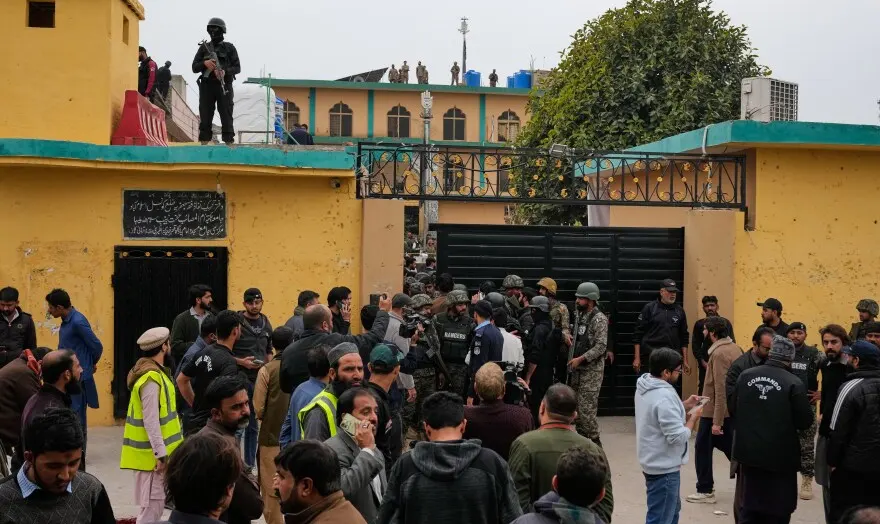
Worshippers Targeted During Friday Prayers in Islamabad’s Deadliest Attack in Nearly Two Decades
Worshippers at the Khadija Tul Kubra Mosque in Islamabad faced terror during Friday prayers on February 6, when a suicide bomber struck, killing 31 people and injuring 169 others. The attack has shaken Pakistan’s capital, exposing vulnerabilities in the city’s security even amid high-profile diplomatic visits.
The Attack and Immediate Aftermath
The assailant, later identified as Yaser Khan Yaser, a resident of Peshawar, approached the mosque during prayers and was intercepted by volunteer security guards at the entrance. A brief gunfight ensued, during which the bomber was shot in the leg, but he detonated his explosive vest near the rear rows of worshippers.
Most victims were Shia Muslims, including children attending prayers with their families. Hospitals, including the Pakistan Institute of Medical Sciences (PIMS), reached capacity as emergency teams rushed to treat the wounded. Funerals for the victims have begun under heavy security.
Responsibility and Investigation
The Islamic State (ISIS) claimed responsibility via its Telegram channel, releasing a photo of the bomber armed and ready. Although initial statements from Defense Minister Khawaja Asif suggested potential links to the Tehrik-i-Taliban Pakistan (TTP) and cross-border movements into Afghanistan, forensic investigations have confirmed the bomber was a Pakistani citizen.
Authorities are actively pursuing possible facilitators, including at least three individuals believed to have prepared the explosive vest and provided logistical support. Security forces have conducted raids in Peshawar and Islamabad, detaining several suspects for questioning.
Timeline of the Attack
- 1:30 PM: The bomber approached the mosque during Friday prayers.
- Entrance Breach: Volunteer guards intercepted him.
- Gunfight: The bomber was shot in the leg but advanced approximately 20 meters toward the congregation.
- Detonation: The explosive vest detonated near the rear rows during the first bow (Ruku) of prayer.
Eyewitnesses reported a possible second assailant who may have fired at volunteer guards to clear a path for the bomber. Police are reviewing CCTV footage from Srinagar Highway to trace the suspect’s vehicle and identify any accomplices involved in planning the attack.
Geopolitical Fallout
The bombing has sparked diplomatic tensions between Pakistan and neighboring India. Pakistan alleged a “foreign hand,” implying Indian involvement via Afghan proxies, while India dismissed the claims as “baseless and pointless,” urging Pakistan to address domestic radicalization instead.
The attack also occurred during the visit of Uzbekistan’s President Shavkat Mirziyoyev, exposing vulnerabilities in Islamabad’s security protocols. Domestically, Punjab Chief Minister Maryam Nawaz Sharif canceled weekend festivals, including the annual kite-flying event in Lahore, as a mark of mourning and precaution.
International Response
The United Nations, Saudi Arabia, Turkey, Iran, Afghanistan, the United States, and European nations condemned the attack and expressed solidarity with Pakistan. While Afghanistan denied any involvement, Pakistan continues to investigate alleged cross-border links.
President Asif Ali Zardari and Prime Minister Shehbaz Sharif publicly thanked the international community for their support, emphasizing the importance of global solidarity against terrorism.
Broader Context
Analysts note that the attack comes two days after Pakistani forces killed 11 ISIS members near Peshawar, suggesting the bombing could be retaliatory. The attack also highlights ongoing sectarian targeting in Pakistan, particularly against Shia communities, and underscores persistent security challenges amid regional instability.
Pakistan Faces Dual Challenge: Justice for Victims and Preventing Future Attacks
The Khadija Tul Kubra Mosque bombing is a tragic reminder of the threats posed by extremist networks and the delicate security situation in Pakistan. As investigations continue and the international community watches closely, authorities face the dual task of bringing perpetrators to justice and preventing further attacks.