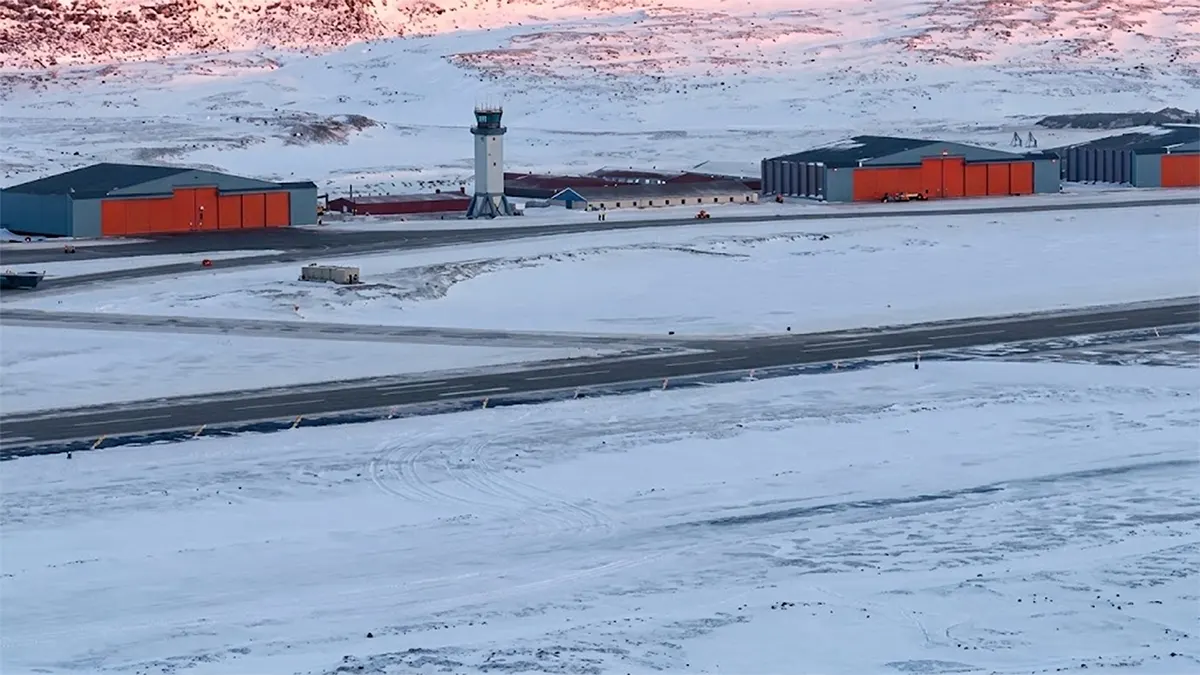

In a historic and rapidly evolving situation, Venezuela’s political and economic landscape has been thrown into uncertainty. On January 3, 2026, U.S. forces captured President Nicolás Maduro during a military operation codenamed Operation Absolute Resolve, and Venezuela’s Supreme Court ordered Vice President Delcy Rodríguez to assume the role of acting president. The transition has highlighted the deep contradictions between U.S. strategic objectives and domestic political realities, particularly around the country’s vast but underutilized oil reserves.
Supreme Court Ruling and Rodríguez’s Appointment
Late Saturday, the Constitutional Chamber of the Supreme Tribunal of Justice ruled that Rodríguez must “assume and exercise all the attributes, duties, and powers” of the presidency to maintain administrative continuity and defend the nation following Maduro’s forced absence. Notably, the court did not declare Maduro permanently absent, leaving Rodríguez in a temporary, acting capacity.
Rodríguez initially rejected the transition, appearing on state television to call Maduro the “only president” and denouncing his detention as an “illegal kidnapping.” Nonetheless, the Supreme Court mandate formally places her at the head of state, positioning her at the center of an unprecedented political and operational crisis.
U.S. Perspective: Running Venezuela
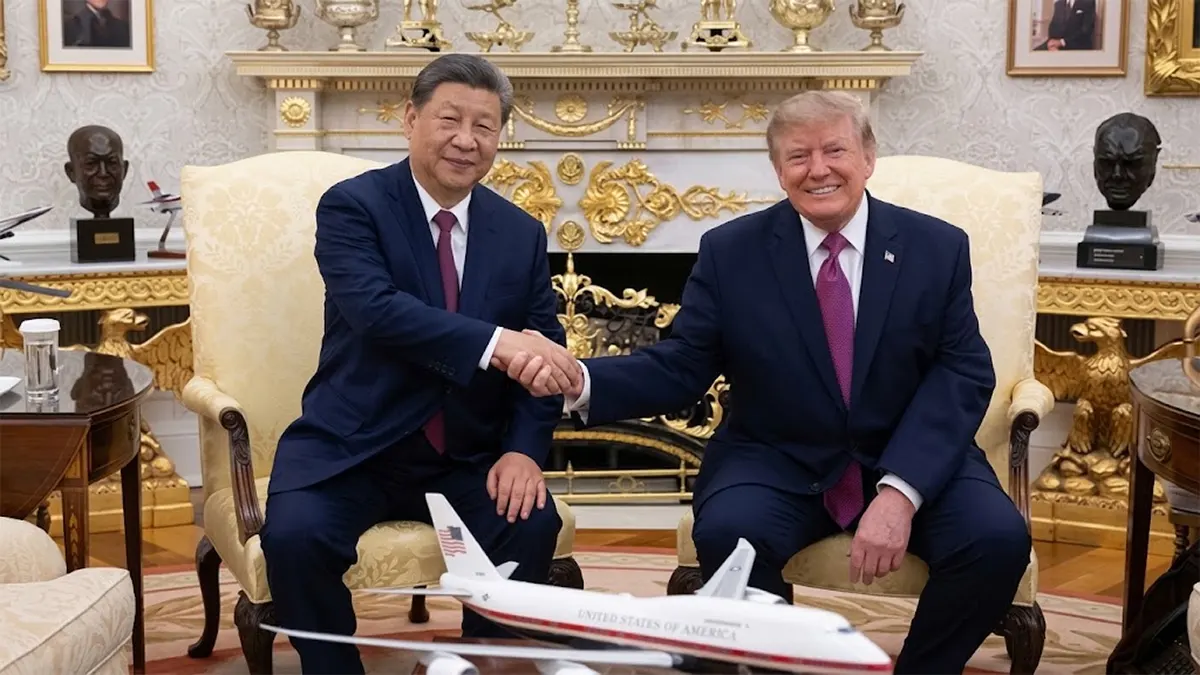
U.S. President Donald Trump announced from Mar-a-Lago that the United States intends to “run the country” until a transition can be organized. He stated that Secretary of State Marco Rubio has been in contact with Rodríguez, implying that her cooperation is expected during the interim.
Trump explicitly emphasized the economic motive behind the operation: “We’re in the oil business,” referring to plans to mobilize American companies like Chevron to invest billions in fixing Venezuela’s infrastructure and restarting production. This blunt acknowledgment contrasts sharply with the U.S. framing of the mission as a law enforcement operation against “narco-terrorism.”
The Venezuela Paradox: Oil Reserves vs. Production
Venezuela holds the world’s largest proven oil reserves, yet it produces a fraction of its potential output. As of January 2026:
.custom-table-container { overflow-x: auto; margin: 20px 0; border: 1px solid #ddd; border-radius: 4px; }
.custom-table { width: 100%; border-collapse: collapse; font-family: sans-serif; font-size: 14px; }
.custom-table thead { background-color: #2153b9; color: #ffffff; }
.custom-table th { padding: 12px; text-align: left; font-weight: bold; border-bottom: 2px solid #ddd; }
.custom-table td { padding: 10px; border-bottom: 1px solid #eee; color: #333; }
.custom-table tbody tr:nth-child(even) { background-color: #f9f9f9; }
.custom-table tbody tr:hover { background-color: #f1f5ff; }
.highlight-row { font-weight: bold; color: #2153b9; }
| Rank | Country | Proven Oil Reserves (Billion Barrels) | % of Global Total |
|---|---|---|---|
| 1 | Venezuela | 303.2 | 19.1% |
| 2 | Saudi Arabia | 267.2 | 17.2% |
| 3 | Iran | 208.6 | 13.1% |
| 4 | Canada | 163.6 | 10.2% |
| 5 | Iraq | 145.0 | 9.1% |
| 9 | United States | 55.2 | 3.5% |
Despite this “gold in the ground,” production is heavily constrained:
- Peak production in 1997: 3.45 million barrels per day (bpd)
- Current production (Jan 2026): ~1.1 million bpd (<1% of global supply)
- Comparison: U.S. 13.5 million bpd; Saudi Arabia 10–12 million bpd
Much of Venezuela’s oil is extra-heavy crude from the Orinoco Belt, requiring specialized refining and diluents, making rapid scale-up costly and technically challenging. Estimates suggest $110 billion and over a decade would be required to return to pre-collapse output.

Delcy Rodríguez and the Conflict of Interest
Rodríguez’s appointment highlights a fundamental tension:
| Stakeholder | Goal | Potential Conflict |
|---|---|---|
| Delcy Rodríguez | Maintain Chavista power and secure Maduro’s release | Cooperation with U.S. risks being seen as treason |
| U.S. (Trump/Rubio) | Install a friendly government, restart oil production | Cannot “run” the country from Mar-a-Lago if Rodríguez resists |
| U.S. Oil (Chevron) | Rebuild infrastructure and export oil | Risk investing billions in a volatile, politically fractured country |
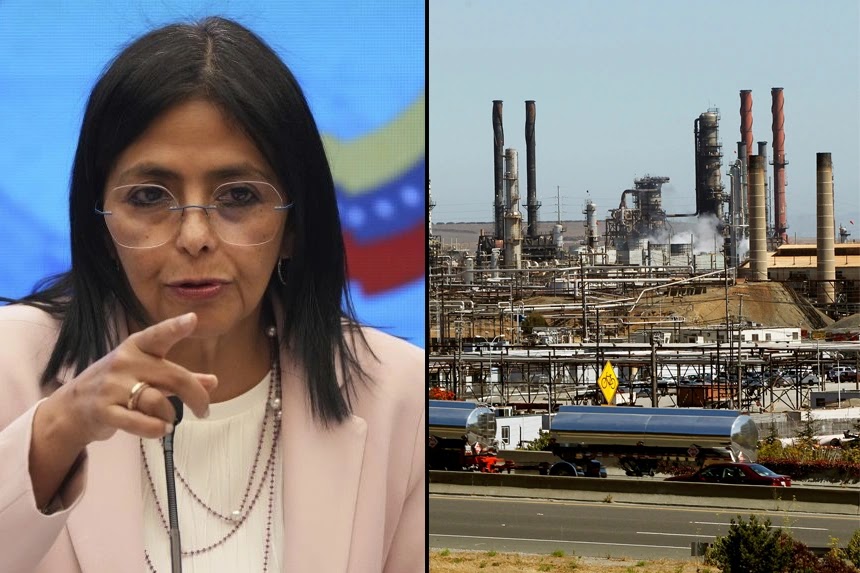
Rodríguez’s dual role as Acting President and Oil Minister places her at the intersection of domestic loyalty and foreign pressure. While Trump claims she is willing to cooperate, Rodríguez has publicly denounced the U.S. operation as a “barbaric kidnapping” and a “resource seizure.”
Oil Industry Stakes: Chevron’s Dilemma
As the only U.S. oil major currently operating in Venezuela, Chevron faces both short-term risks and long-term opportunities:
Short-Term Risks:
- Production paralysis amid oil embargo and security threats
- Legal limbo under a rapidly shifting authority
- Potential sabotage by loyalist workers or militias
Long-Term Opportunities:
- Unique position to lead reconstruction and production expansion
- Expected priority in repayment of longstanding debts owed by Venezuela
- Potential to scale output from 150,000 bpd to millions if U.S.-backed transition stabilizes
Complicating matters, Venezuela has substantial oil-for-loan arrangements with China and Russia, meaning any U.S. takeover risks international economic conflict.
Dual Narratives: Pretext vs. Purpose
Operation Absolute Resolve has two intertwined narratives:
| Feature | 2003 Iraq Model | 2026 Venezuela Model |
|---|---|---|
| Legal Trigger | Weapons of Mass Destruction | Fentanyl as “Weapon of Mass Destruction” |
| Official Goal | Liberation / Democracy | Arresting “Narco-Terrorists” |
| Economic Goal | Securing Oil | Reclaiming Orinoco Oil Belt |
| Global Rivals | France / Russia | China / Russia |
While the official pretext is law enforcement against a narco-state, the obvious strategic purpose is securing Venezuela’s energy resources, a model strikingly similar to Iraq in 2003.
Geopolitical and Legal Implications
- International Law: U.S. frames the operation as law enforcement to avoid an “Act of War” label. Critics argue this violates sovereignty and mirrors past interventions.
- Military Loyalty: Defense Minister Vladimir Padrino López and key military units may resist Rodríguez’s cooperation with the U.S., risking internal civil conflict.
- Supreme Court Role: Legally shields Rodríguez while enabling her to resist U.S. pressure, complicating the “smooth transition” narrative.
- Global Energy Politics: Any attempt to redirect oil away from China or Russia could trigger economic friction on a global scale.
The Looming Friction Points
-
The “Puppet” Narrative: U.S. messaging that Rodríguez is cooperative may backfire, prompting military dissent.
-
Oil Sabotage: PDVSA workers loyal to Chavismo may resist or sabotage infrastructure, delaying production restart.
-
Legal Limbo: Contracts signed under duress or under U.S. pressure may face challenges in international courts.
In essence, the “Venezuela Paradox” is now on full display: the country with the world’s largest oil reserves produces barely enough to matter in global markets, yet it sits at the center of a high-stakes geopolitical and economic confrontation.
Outlook: Risk, Opportunity, and the Next 48 Hours
The short-term future is uncertain:
- Political Stability: Rodríguez’s ability to maintain authority without U.S. coercion is fragile.
- Oil Recovery: Restarting production will face technical, political, and legal hurdles.
- International Tension: Actions to divert oil for U.S. interests could escalate conflicts with China and Russia.
For U.S. oil majors like Chevron, the immediate environment is risky, but the long-term potential is enormous. Success depends on stabilizing governance, securing military compliance, and overcoming decades of neglected infrastructure.
Summary
Venezuela’s current crisis exposes a dramatic clash of sovereignty, resources, and geopolitics. The capture of Maduro, the acting presidency of Delcy Rodríguez, and U.S. ambitions to “run the country” highlight the complex, high-stakes nature of modern resource-driven intervention. The paradox is stark: Venezuela is a sleeping oil giant with enormous latent value, yet its internal political chaos and crumbling infrastructure make the path to energy dominance perilous.
The coming days in Caracas will determine whether the U.S. can truly unlock the Orinoco Belt or whether political resistance, legal limbo, and local loyalties will thwart even the best-laid plans.
Disclaimer: This article is an independent news analysis. Chevron and the Chevron logo are trademarks of Chevron Corporation. This article is not affiliated with, sponsored by, or endorsed by Chevron Corporation.