
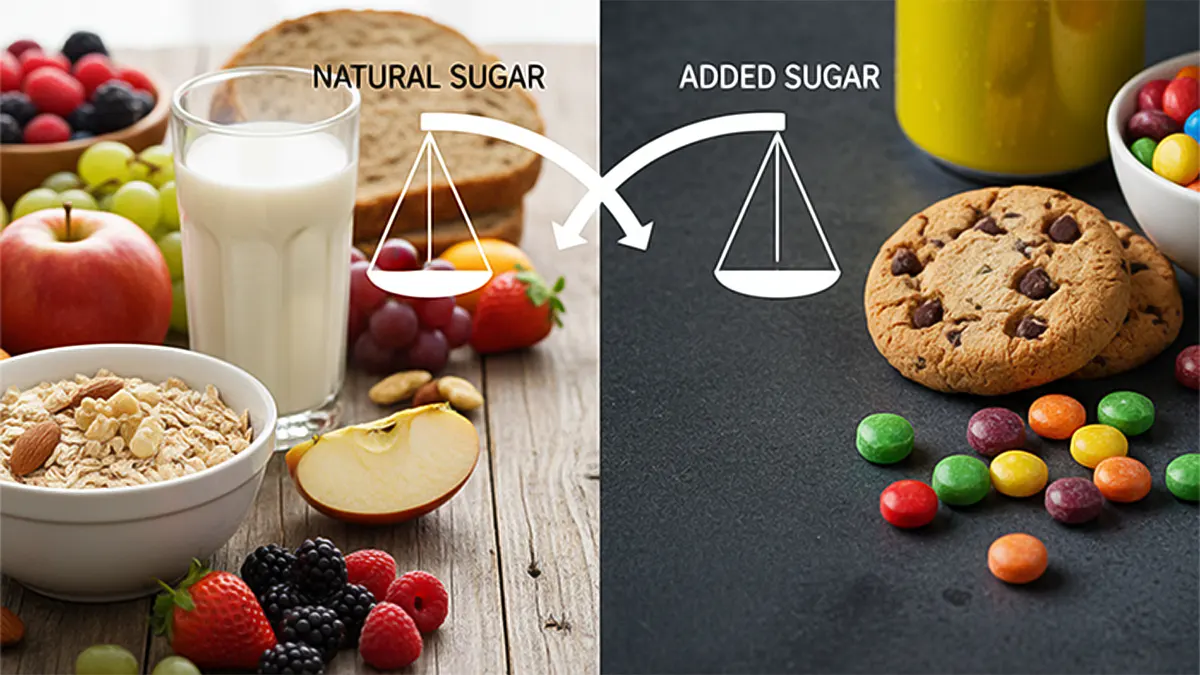
Sugar has become one of the most misunderstood nutrients in modern diets. Some people avoid it completely, while others pay little attention to how much they consume. The reality is that not all sugar is created equal.
Understanding the difference between natural sugar and added sugar can help you make smarter food choices, maintain steady energy levels, and reduce your risk of long-term health problems. The key isn’t eliminating sugar entirely, it’s knowing where it comes from and how your body processes it.
Why Your Body Needs Sugar in the First Place
Sugar is a type of carbohydrate that serves as a major source of energy for the body. Once consumed, it is broken down into simple forms that fuel your cells, muscles, and brain.
Some of the most common types of sugar include:
- Glucose – the body’s primary energy source.
- Fructose – naturally found in fruits and also present in many sweetened foods.
- Sucrose – table sugar, made up of glucose and fructose.
- Lactose – the natural sugar found in milk and dairy products.
While these sugars may look similar on a chemical level, the way they affect your health often depends on the foods they come packaged with.
The Hidden Advantage of Natural Sugars
Natural sugars are found in whole foods such as fruits, vegetables, and dairy products. These foods provide much more than sweetness.
When you eat an apple, for example, you’re not just consuming sugar. You’re also getting fiber, vitamins, minerals, antioxidants, and water, all of which work together to support overall health.
Fiber Slows Down Sugar Absorption
One of the biggest benefits of whole foods is fiber.
Fiber acts like a natural speed regulator in the digestive system, slowing the absorption of sugar into the bloodstream. As a result, blood sugar levels rise more gradually, helping prevent sudden spikes and crashes that can leave you feeling tired and hungry.
This is why health experts consistently encourage people to eat whole fruits rather than relying on fruit-flavored snacks or sweetened beverages.
Dairy Offers More Than Just Lactose
Milk, plain yogurt, and other minimally processed dairy products naturally contain lactose.
Unlike sugary drinks, dairy products also provide protein, calcium, and healthy fats, which help slow digestion and support stable blood sugar levels. Fermented products and aged cheeses often contain very little lactose because much of it is removed during processing.
Added Sugars: The Bigger Concern
Added sugars are sugars and sweeteners that manufacturers add to foods and beverages during production or preparation.
These sweeteners appear under many different names, including:
- High-fructose corn syrup
- Sucrose
- Dextrose
- Maltose
- Molasses
- Honey
- Maple syrup
- Fruit juice concentrate
Although some of these ingredients may sound natural, they are still considered added sugars when incorporated into processed foods.
The problem is that they often deliver large amounts of sugar with little or no nutritional value.
How Added Sugar Affects the Body
When added sugar enters the bloodstream without the benefit of fiber, the body processes it rapidly.
This can trigger several metabolic responses:
Rapid Blood Sugar Surges
Blood glucose levels rise quickly, forcing the pancreas to release insulin to move sugar into cells.
Increased Risk of Insulin Resistance
Repeated spikes in blood sugar and insulin over time can reduce the body’s sensitivity to insulin, increasing the risk of Type 2 diabetes.
Greater Fat Storage
When the body receives more energy than it needs, excess glucose is stored as fat. Over time, this can contribute to weight gain and obesity.
Why White Bread and White Rice Act Like Sugar
Many people focus only on sweet foods when trying to reduce sugar intake. However, refined carbohydrates can have a similar effect on blood sugar.
Foods such as:
- White bread
- White rice
- Regular pasta
- Processed baked goods
contain starches that are rapidly broken down into glucose.
Because much of their natural fiber has been removed during processing, these foods can raise blood sugar almost as quickly as sugary snacks and beverages.
Choosing Whole Grains Makes a Difference
Replacing refined grains with whole-grain alternatives is one of the simplest ways to support better blood sugar control.
Healthier options include:
- Brown rice
- Oats
- Whole-grain bread
- Quinoa
- Whole-wheat pasta
These foods retain more fiber and nutrients, helping slow digestion and improve satiety.
How Much Added Sugar Is Too Much?
Health organizations around the world recommend limiting added sugar intake.
The World Health Organization (WHO) advises keeping added sugars below 10% of daily calories and suggests that reducing intake to below 5% may provide additional health benefits.
The American Heart Association (AHA) recommends:
- Men: no more than 36 grams of added sugar per day
- Women: no more than 25 grams per day
For many people, a single bottle of soda can exceed these recommendations.
Five Practical Ways to Cut Back on Added Sugar
Reducing sugar intake doesn’t require a drastic diet overhaul. Small changes can make a significant difference.
Choose Whole Fruit Instead of Juice
Whole fruit provides fiber that slows sugar absorption, while fruit juice often delivers concentrated sugar without the same benefits.
Read Ingredient Labels Carefully
Added sugars often hide behind unfamiliar names. Checking labels can help identify products with excessive sweeteners.
Make Water Your Default Drink
Replacing sugary beverages with water, sparkling water, or unsweetened tea can dramatically reduce daily sugar intake.
Combine Carbs With Protein or Healthy Fats
Pairing foods such as fruit with nuts, yogurt, or nut butter helps slow digestion and stabilize blood sugar.
Upgrade to Whole Grains
Swapping refined grains for whole-grain alternatives can improve blood sugar control and support long-term heart health.
The Bottom Line on Sugar and Health
Sugar itself is not the enemy. Natural sugars found in fruits, vegetables, and dairy products can be part of a healthy diet when consumed as part of whole foods.
The greater concern is the excessive consumption of added sugars and highly refined carbohydrates, which can contribute to blood sugar imbalances, weight gain, and chronic disease over time.
Focusing on whole foods, fiber-rich carbohydrates, lean proteins, and minimally processed ingredients remains one of the most effective ways to support stable energy levels and long-term health.
Rather than fearing all sugar, the smarter approach is learning to distinguish between the sugars your body can benefit from and those it can do without.




