
The Implosion of the JCPOA: How the ‘Snapback’ Revived the Iran Nuclear Crisis
The already fragile framework of the Joint Comprehensive Plan of Action (JCPOA), the 2015 Iran nuclear deal has officially shattered. In a dramatic display of diplomatic retaliation, Iran has recalled its ambassadors from France, Germany, and the United Kingdom following the E3 nations’ successful activation of the UN Security Council’s “snapback” mechanism.
Understanding the ‘Snapback’ Trigger
The “snapback” mechanism is a unique and controversial feature of UN Security Council Resolution 2231 (2015). Their justification was clear: Iran’s alleged failure to fully cooperate with International Atomic Energy Agency (IAEA) inspectors and its documented accumulation of enriched uranium beyond the limits set by the accord constituted a “significant violation” of its commitments.
A last-ditch effort by Russia and China key Iranian allies to introduce a resolution delaying the sanctions for six months was defeated in the Security Council, clearing the legal path for the sanctions to return without the possibility of a veto.
Iran’s Response: Denunciation and Diplomatic Retaliation
Tehran’s reaction was swift and defiant. The recalling of the envoys from the three key European powers, the first step in a diplomatic freeze was accompanied by blistering condemnation. Iranian officials characterized the E3’s use of the snapback as an “unjust, illegal, and lacking any legal basis,” accusing the Western powers of abusing the JCPOA’s dispute mechanism.
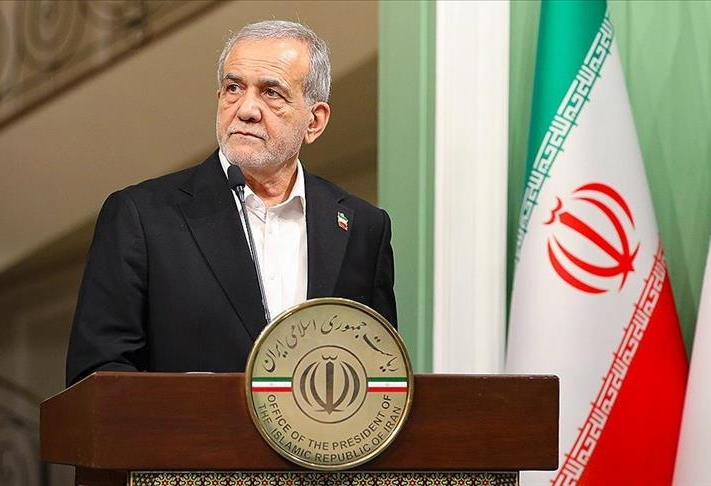
Despite the heightened rhetoric, Iranian President Masoud Pezeshkian made one crucial assurance: Iran will not withdraw from the Nuclear Non-Proliferation Treaty (NPT). This is likely to fuel a legitimacy debate, with Russia, China, and allies likely resisting full sanctions enforcement.
The “snapback” mechanism has delivered its promised ultimatum, but the resulting crisis is a test for the international community: manage the fallout of a collapsing nuclear deal, or risk a rapid and uncontrolled return to peak nuclear tensions.