The 18th BRICS Summit opens in New Delhi on September 12, bringing together an expanded group of emerging economies at a moment when wars, trade tensions, sanctions and disruptions to global supply chains are testing international cooperation.
Hosted by India at Bharat Mandapam, the two-day summit is being held under the theme “Building for Resilience, Innovation, Cooperation and Sustainability.” India assumed the BRICS chairship on January 1, 2026, for its fourth term, and has spent the year pushing the grouping toward practical cooperation in economic, technological and development-related areas.
The timing gives the summit an additional geopolitical dimension. The conflicts involving Iran and Israel, the war in Ukraine, tensions between Washington and Beijing, and disruptions to important shipping routes have exposed how vulnerable countries remain to sudden shocks in energy, trade and finance.
Yet BRICS is unlikely to produce a single position on every major geopolitical dispute. The bloc’s expanding membership has also expanded its internal differences, making consensus more difficult.
India Wants BRICS to Focus on What Members Can Actually Agree On
India’s central challenge is to keep the summit focused on practical cooperation rather than allowing disagreements over international conflicts to dominate the agenda.
That approach reflects the nature of BRICS itself. The grouping is not a military alliance, and its members have very different relationships with the United States, Europe, Russia, China and countries in the Middle East.
India, for example, maintains important strategic and economic relationships with Washington and other Western partners while also maintaining close ties with Russia and relying on Iran for important connectivity through Chabahar Port.
The result is a careful balancing act. New Delhi has generally emphasized dialogue, de-escalation and respect for international law rather than supporting one side of a geopolitical confrontation.
The summit’s official agenda therefore places considerable weight on resilience, economic cooperation, technology, food and energy security, supply chains and global governance reform.
De-Dollarization Is About Payments, Not a BRICS Common Currency
Reducing dependence on the US dollar remains one of the most closely watched economic issues surrounding BRICS.
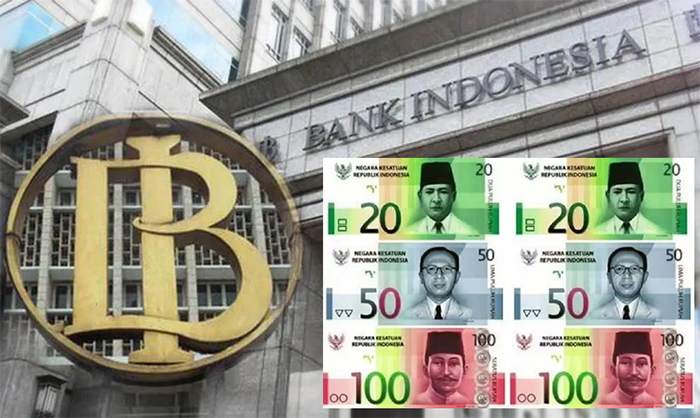
Member states are exploring ways to increase trade settlement in national currencies and develop payment mechanisms that can reduce exposure to dollar volatility, sanctions and disruptions in the international financial system.
However, this should not be confused with the creation of a single BRICS currency.
There is no established BRICS common currency on the summit agenda. Instead, the more practical focus is on strengthening local-currency transactions and financial infrastructure. India has also promoted greater use of digital payment systems and financial technology as part of its broader BRICS agenda.
The distinction matters. A common currency would require a much deeper level of economic and monetary integration than BRICS currently has. Local-currency settlement, by contrast, can be expanded incrementally through bilateral agreements and payment-system cooperation.
For smaller businesses, the potential benefit is straightforward: simpler cross-border payments and less exposure to currency conversion costs and financial restrictions.
Energy and Food Security Take on Greater Importance
Geopolitical instability has also made energy and food security central to the summit.
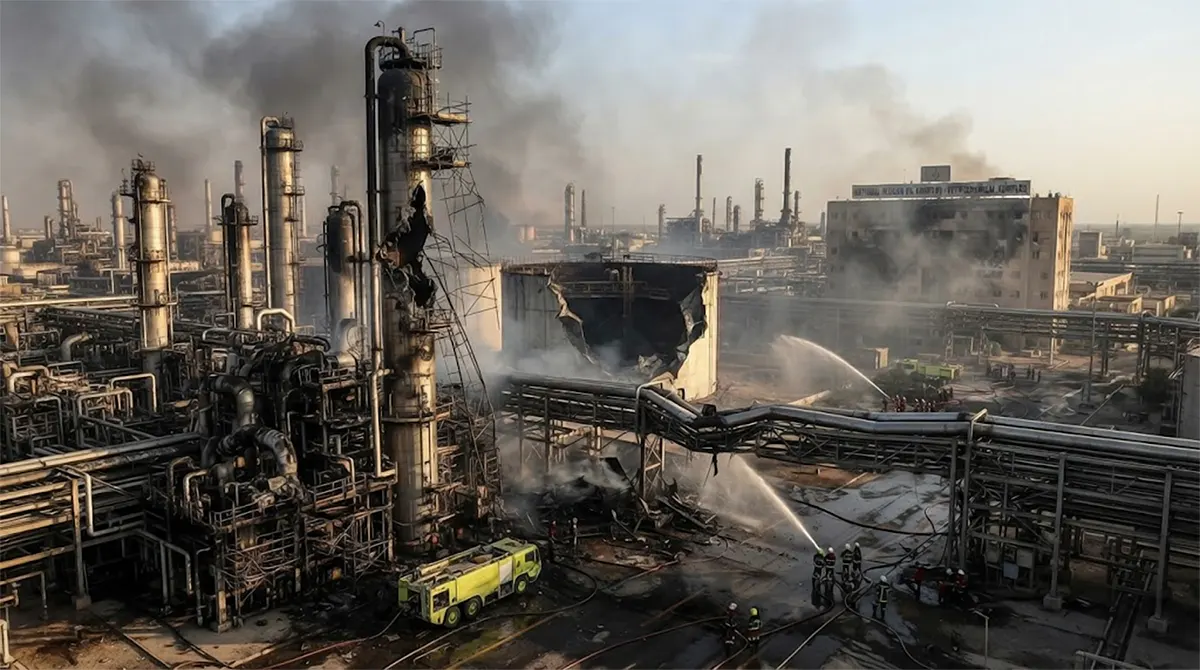
Disruptions around the Middle East and major maritime routes can quickly affect oil prices, shipping costs, insurance premiums and food supply chains. Countries that depend heavily on imported energy are particularly vulnerable.
BRICS members are therefore looking at ways to strengthen energy cooperation, agricultural resilience and critical supply chains.
India’s summit agenda also places resilience at the center of discussions on health, disaster preparedness, agriculture and supply-chain security. These issues may appear less dramatic than geopolitical confrontation, but they have direct consequences for consumers and businesses across the bloc.
The emphasis reflects a broader shift in economic policy: resilience is increasingly being treated not simply as the ability to recover from a crisis, but as the ability to keep essential goods, energy and financial systems functioning during one.
Iran Wants a Stronger Political Response, but BRICS Is Divided
Iran’s position creates one of the most difficult political questions for the expanded BRICS grouping.
Tehran has sought stronger international condemnation of US and Israeli military actions and has used multilateral forums to challenge what it describes as Western dominance.
Russia and China have generally provided diplomatic support to Iran and criticized US sanctions and military actions. Both also have an interest in expanding financial and trade systems that are less dependent on Western institutions.
But other BRICS members have different priorities.
India is attempting to avoid turning BRICS into an explicitly anti-US or anti-Western organization. Its relationships with the United States, Europe and Israel remain strategically important, while its ties with Iran are also significant for energy and regional connectivity.
The Gulf states and other Middle Eastern members add another layer of complexity. Their security interests do not always align with Tehran’s, particularly when attacks or tensions threaten regional infrastructure and shipping.
That makes a strong collective geopolitical statement difficult.
Instead, BRICS is more likely to seek language around de-escalation, dialogue, international law, energy security and protection of trade routes—areas where a broader consensus is possible.
Modi’s Meetings With Putin and Pezeshkian Show India’s Balancing Strategy
The summit’s diplomatic activity began before the formal leaders’ sessions.
Russian President Vladimir Putin met Indian Prime Minister Narendra Modi in New Delhi on September 11, with discussions covering trade, energy, defence and broader economic cooperation. Modi again emphasized the need for a diplomatic resolution to the war in Ukraine.
The relationship has a particularly important economic dimension. India has significantly increased imports of Russian oil despite Western sanctions, while the two countries are seeking to expand bilateral trade and cooperation in areas including energy, defence, civil nuclear power and manufacturing.
The Modi-Putin meeting also highlights the tension between India’s strategic autonomy and its growing ties with Western countries.
India wants access to Russian energy and defence technology while simultaneously strengthening its partnerships with the United States and other Western economies.
That balancing strategy is likely to remain central throughout the BRICS summit.
Iran and the Chabahar Corridor Add Another Strategic Layer
India’s relationship with Iran is equally important for regional connectivity.
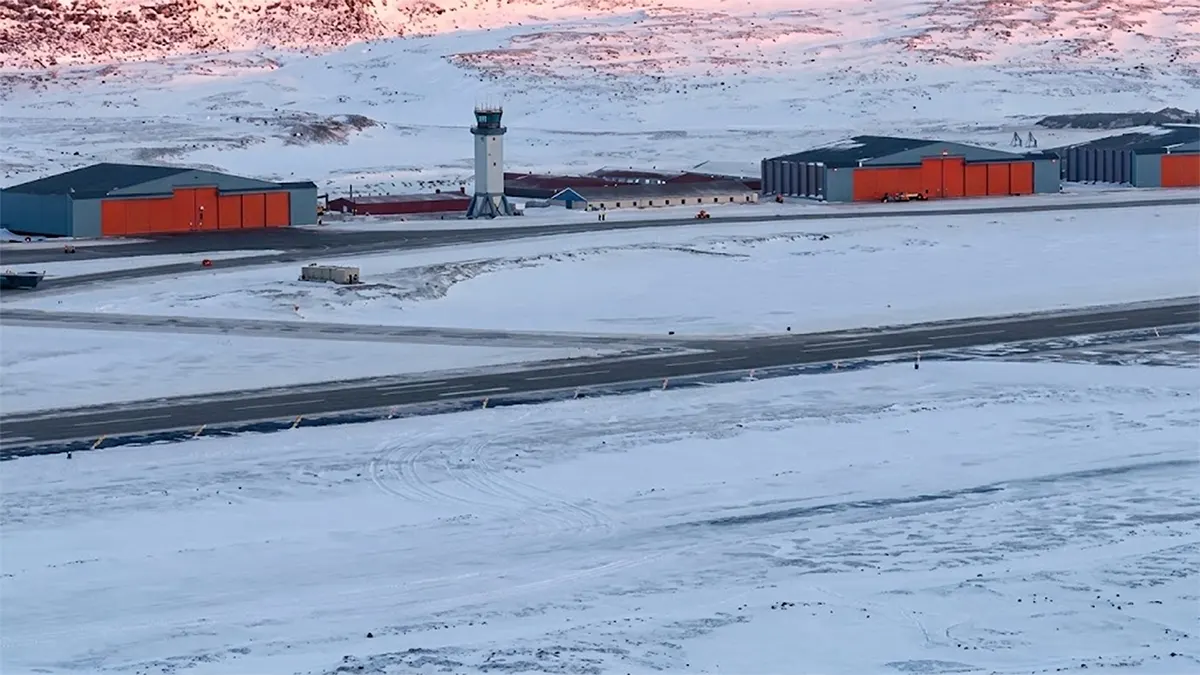
One major issue is Chabahar Port, which gives India a route toward Afghanistan and Central Asia while providing an important link to the International North-South Transport Corridor.
The port has become strategically significant because it offers India an alternative route for regional trade that does not depend entirely on routes through Pakistan.
The security of shipping lanes in and around the Persian Gulf and Red Sea is another concern. Any prolonged disruption could affect energy supplies, freight costs and broader trade flows.
This makes Iran relevant to India’s economic agenda even as New Delhi seeks to avoid taking sides in the wider US-Iran confrontation.
Xi Jinping’s Return Adds a Major India-China Dimension
Chinese President Xi Jinping’s participation is another major development at the summit.
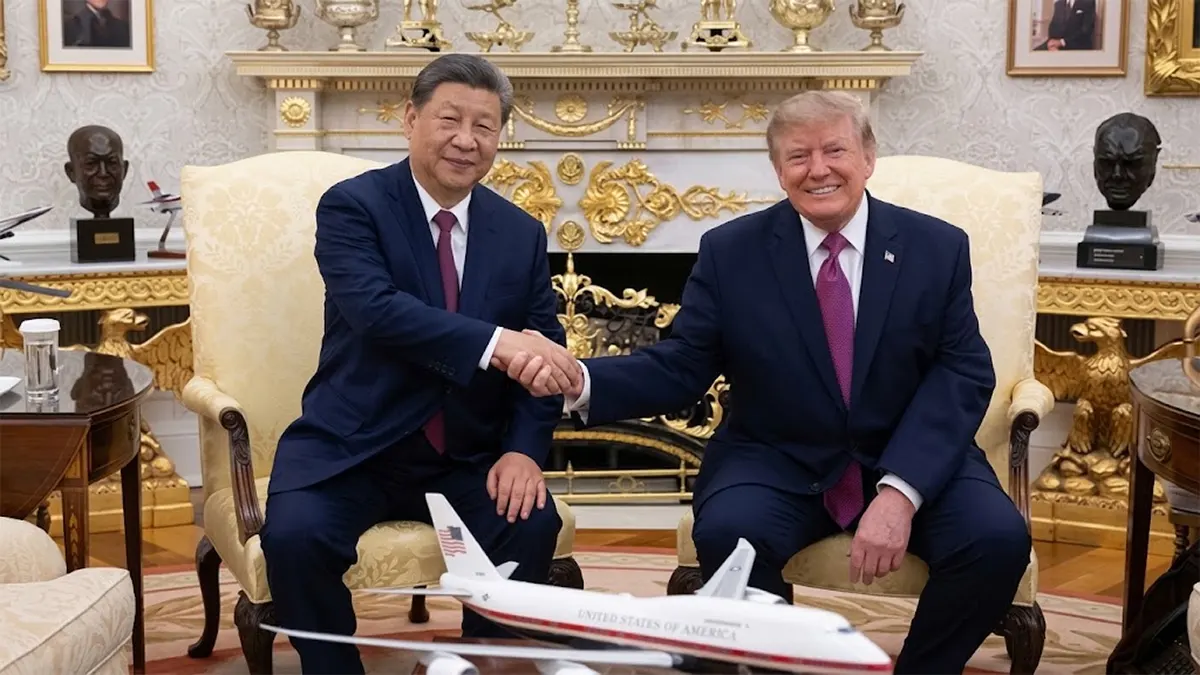
His visit marks his first trip to India in seven years and gives Modi and Xi an opportunity to discuss the state of India-China relations beyond the formal BRICS agenda.
The relationship has been heavily influenced by tensions along the Line of Actual Control (LAC) and by trade and economic restrictions.
At the same time, both countries have an interest in preventing bilateral tensions from undermining their broader economic interests.
For India, the meeting with Xi is therefore about more than BRICS. It is an opportunity to manage competition with China while keeping channels for dialogue open.
Technology Is Becoming a Bigger Part of the BRICS Agenda
India is also using its chairship to push technology higher on the BRICS agenda.
Areas including artificial intelligence, digital public infrastructure, fintech, innovation and digital governance fit closely with India’s own technology strategy.
India has promoted its experience with digital public infrastructure as a potential model for other developing economies, particularly in areas such as digital payments and public-service delivery.
The broader objective is to make technology a development tool rather than simply another arena for geopolitical competition.
That could eventually create opportunities for startups, technology companies and smaller businesses across BRICS economies, although turning policy proposals into functioning cross-border systems will require sustained technical and regulatory cooperation.
BRICS Expansion Makes Consensus More Valuable and More Difficult
The 2026 summit takes place with a much larger BRICS membership than the original five-country grouping.
The expansion gives BRICS greater demographic and economic weight, but it also makes consensus harder.
The bloc now includes countries with different political systems, economic structures, foreign-policy priorities and regional security interests. That diversity is one reason why BRICS is unlikely to behave like a conventional alliance.
Instead, its influence may come from its ability to create cooperation in specific areas where interests overlap.
Financial infrastructure is one such area. Energy is another. Technology, development finance, trade and reform of international institutions also offer potential areas for cooperation.
The challenge is turning those areas of common interest into concrete mechanisms rather than political declarations.
Reforming Global Institutions Remains a Core Goal
India is also using its BRICS chairship to push for a stronger voice for developing countries in global institutions.
The group has repeatedly called for reforms to institutions including the United Nations Security Council, International Monetary Fund and World Bank.
The argument is that the current international system does not fully reflect the economic and demographic weight of developing countries.
For India and other BRICS members, greater representation for the Global South is therefore part of a broader effort to build a more multipolar international system.
But, once again, agreement on the principle does not necessarily mean agreement on the details.
Different BRICS countries have different views on how global institutions should be reformed and who should receive greater representation.
What to Watch as the New Delhi Summit Opens
The formal BRICS Leaders’ Summit runs from September 12 to 13.
On September 12, leaders of the member countries are scheduled to hold a closed-door session focused on inclusive global governance and strengthening multilateralism. The day’s programme also includes an innovation exhibition, a family photograph, a tree-planting ceremony and a gala dinner hosted by Modi.
The second day will bring together BRICS members, partner countries and outreach invitees for the broader summit discussions. Leaders are expected to address resilience, innovation, cooperation and sustainability before the meeting concludes with the New Delhi Declaration.
That declaration will be closely watched.
The most important question is not whether BRICS can agree on every major geopolitical conflict. It almost certainly cannot.
The more revealing test will be whether the expanded grouping can turn its shared concerns into practical cooperation on payments, trade, energy, food security, technology and global governance.
For India, that is the central opportunity of the 2026 summit: to show that BRICS can become more than a forum for criticism of the existing international order and instead build practical alternatives where its members’ interests genuinely overlap.
At a time of geopolitical fragmentation, that may be the most realistic measure of BRICS’ growing influence.