A 13 year old girl’s story just forced Europe’s hand.
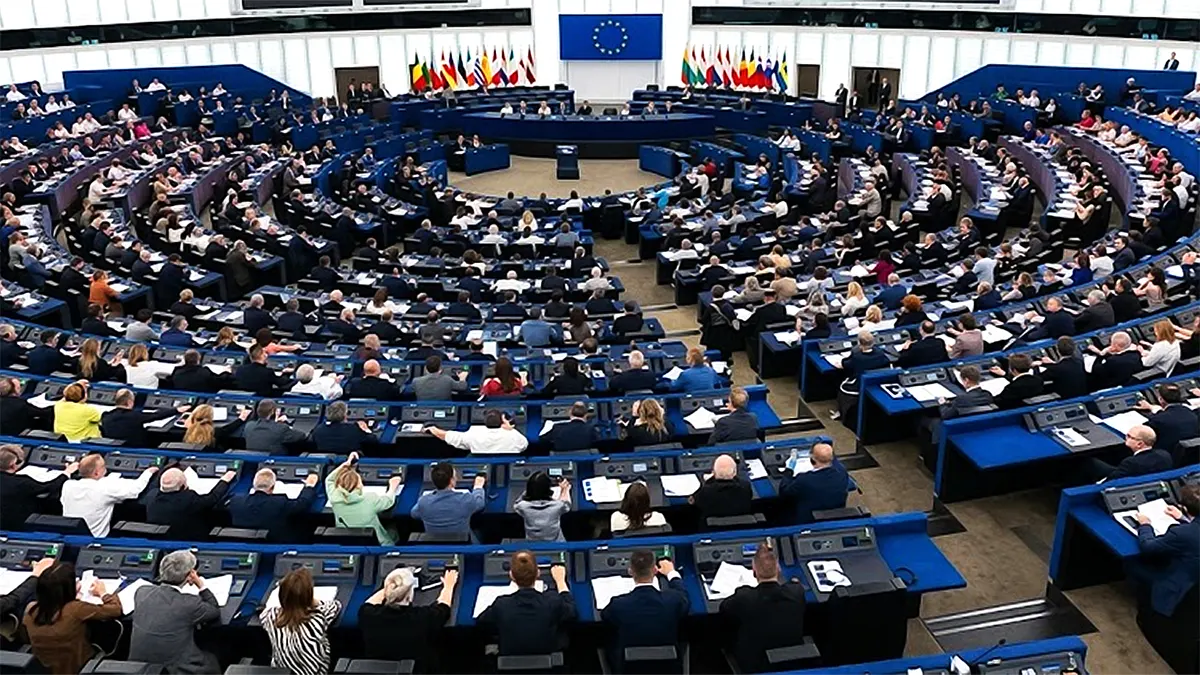
The European Parliament has officially condemned Pakistan over the abduction, forced religious conversion, and child marriage of underage girls from religious minorities and this time, the warning comes with real economic teeth attached.
The Case That Sparked Outrage
At the center of the resolution is Maria Shahbaz, a 13 year old Christian girl from Lahore. She was abducted, forced to convert to Islam, and married off to her abductor. Even with clear documentation proving she was underage, a federal court recently upheld the marriage handing custody of the child back to her 30 year old captor.
The ruling triggered international backlash, and it’s now the flashpoint behind the EU’s toughest language yet on the issue.
A Crisis Measured in Thousands, Not Isolated Incidents
This isn’t a one-off tragedy. Citing UN and human rights data, the European Parliament noted that more than 1,000 minor girls are subjected to forced conversions and sham marriages in Pakistan every single year.
The breakdown is stark:
- About 75% are Hindu, mostly from lower-caste farming families in Sindh province
- About 25% are Christian, concentrated in Punjab, particularly around Lahore and Faisalabad
- Sikh girls are also targeted, though their smaller population means fewer overall cases
Because these communities make up only a small share of Pakistan’s population, losing hundreds of girls a year isn’t just tragic for individual families — it’s reshaping entire communities.
Why the System Keeps Failing Them
Unlike a hidden criminal ring, this crisis runs on legal loopholes, corrupt local networks, and deep poverty.
In several provinces, the legal marriage age for girls is still just 16. Even where the law says 18, courts and police frequently accept forged age certificates or lean on customary interpretations that allow marriage once a girl reaches puberty. Local clerics and complicit police often produce a conversion certificate and marriage contract within days of an abduction and authorities accept them without asking whether the girl was coerced.
Then there’s marginalization. Victims come almost entirely from Pakistan’s poorest and most politically powerless communities. Without money or influence, many families struggle just to get police to file a kidnapping report, let alone pursue a case through the courts.
The Human Cost Behind the Statistics
For families who can’t afford to leave the country, the fallout is brutal and ongoing.
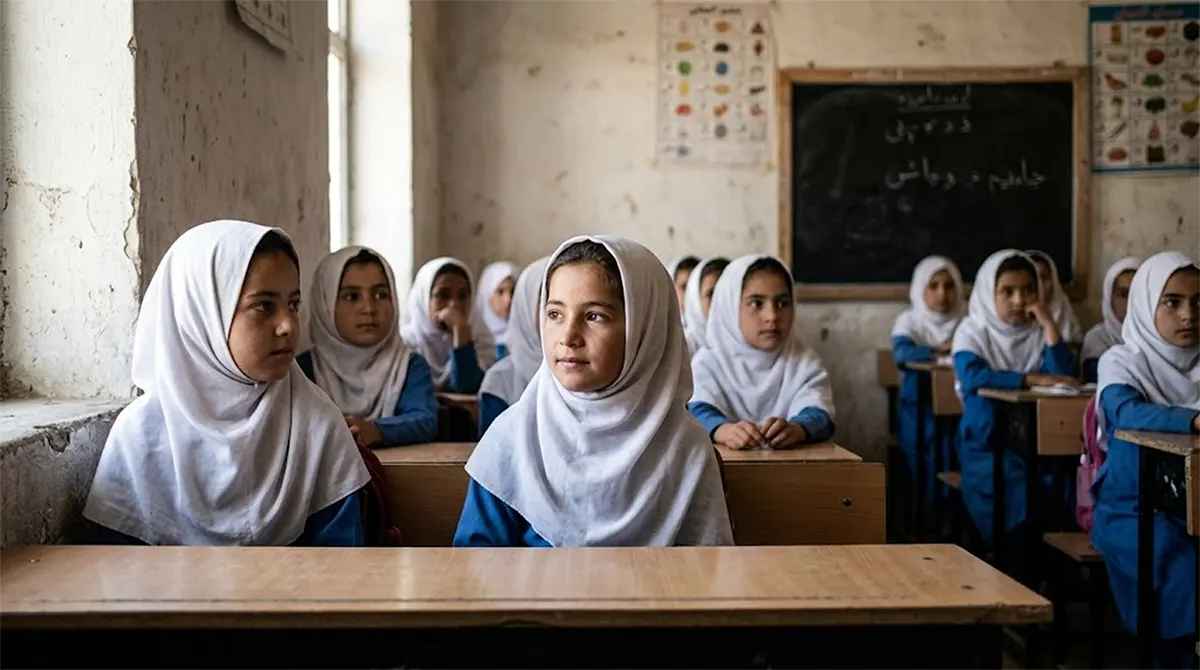
Many parents pull their daughters out of school by age 10 or 11, since the commute to and from class is when abductions frequently happen. That decision traps another generation of women in poverty, cutting off education as a path out.
Others choose exile instead. Over the past decade, thousands of Pakistani Hindu and Christian families have left their ancestral homes for India or sought asylum in the West not for economic opportunity, but purely to protect their daughters. Human rights groups describe the pattern bluntly: a slow-motion forced exodus.
Even families who do fight back in court often face death threats and lasting trauma, whether or not they win.
Why There Are No Real Sanctions Yet
Despite the scale of the crisis, neither the EU nor the UN has imposed hard sanctions on Pakistan. Instead, pressure comes through diplomacy, public condemnation, and conditional trade deals.
The EU’s main leverage is its GSP+ trade status, which gives Pakistan duty-free access to European markets and keeps its textile industry and millions of jobs afloat. That status is legally tied to Pakistan upholding 27 international human rights conventions, and the EU has repeatedly warned it could pull the privilege.
But Brussels has hesitated to go further, worried that gutting Pakistan’s economy could deepen poverty and instability for the very people it’s trying to protect.
Geopolitics plays a role too. Pakistan is a nuclear-armed state bordering Afghanistan, Iran, China, and India, and Western governments rely on it for counter-terrorism cooperation. That strategic value makes the UN Security Council reluctant to push for sweeping sanctions over domestic human rights issues.
Pakistan’s federal government, meanwhile, tends to shift the blame downward, framing these abductions as local crimes rather than state policy even as some provinces, like Sindh, have passed their own bans on child marriage.
When “Local Crime” Is Actually a Governance Failure
Critics argue that framing is a dodge. The state writes the laws, controls the police, and funds the courts and at every level, it’s been complicit.
Federal courts have ruled in favor of abductors, as seen in the Maria Shahbaz case. Lawmakers who’ve tried to pass nationwide bills criminalizing forced conversion have watched those bills die under pressure from hardline religious parties. And local police, who are state employees, routinely refuse to file reports, tip off kidnappers, or wave through forged conversion papers without so much as an age check.
By blocking reform and letting its own institutions shield abusers, Pakistan isn’t just failing to stop a local crime wave, it’s actively keeping the system broken.
For now, the European Parliament’s resolution adds fresh diplomatic pressure, but without enforcement teeth, families in Sindh and Punjab are left waiting to see whether words this time turn into action.