For months, China’s economy looked unstoppable. Exports were booming, driven by strong demand for electronics and a wave of AI related products. But the latest data tells a very different story.
Export growth has sharply slowed to just 2.5% in March 2026 down from a staggering 21.8% earlier this year.
This sudden shift is raising serious questions about China’s economic momentum and sending ripple effects across the global economy.
A Sudden Slowdown: The Numbers That Shocked Markets
The latest trade figures paint a striking picture of imbalance.
Exports came in far below expectations, while imports surged unexpectedly.
- Export Growth: 2.5% (vs. ~8.5% forecast, down from 21.8%)
- Import Growth: 27.8% (vs. 11.2% forecast, up from 19.8%)
- Trade Surplus: $51.13 billion (cut roughly in half from previous levels)
This is the weakest trade surplus China has recorded in over a year.
Because of this gap, economists are now questioning whether China can realistically hit its 4.5%–5% GDP target for 2026.
The Real Causes Behind the Export Slump
The Iran War Shock: Energy Costs Are Crushing Demand
One of the biggest drivers of the slowdown is geopolitical.
Rising energy prices are acting like a hidden tax on the global economy.
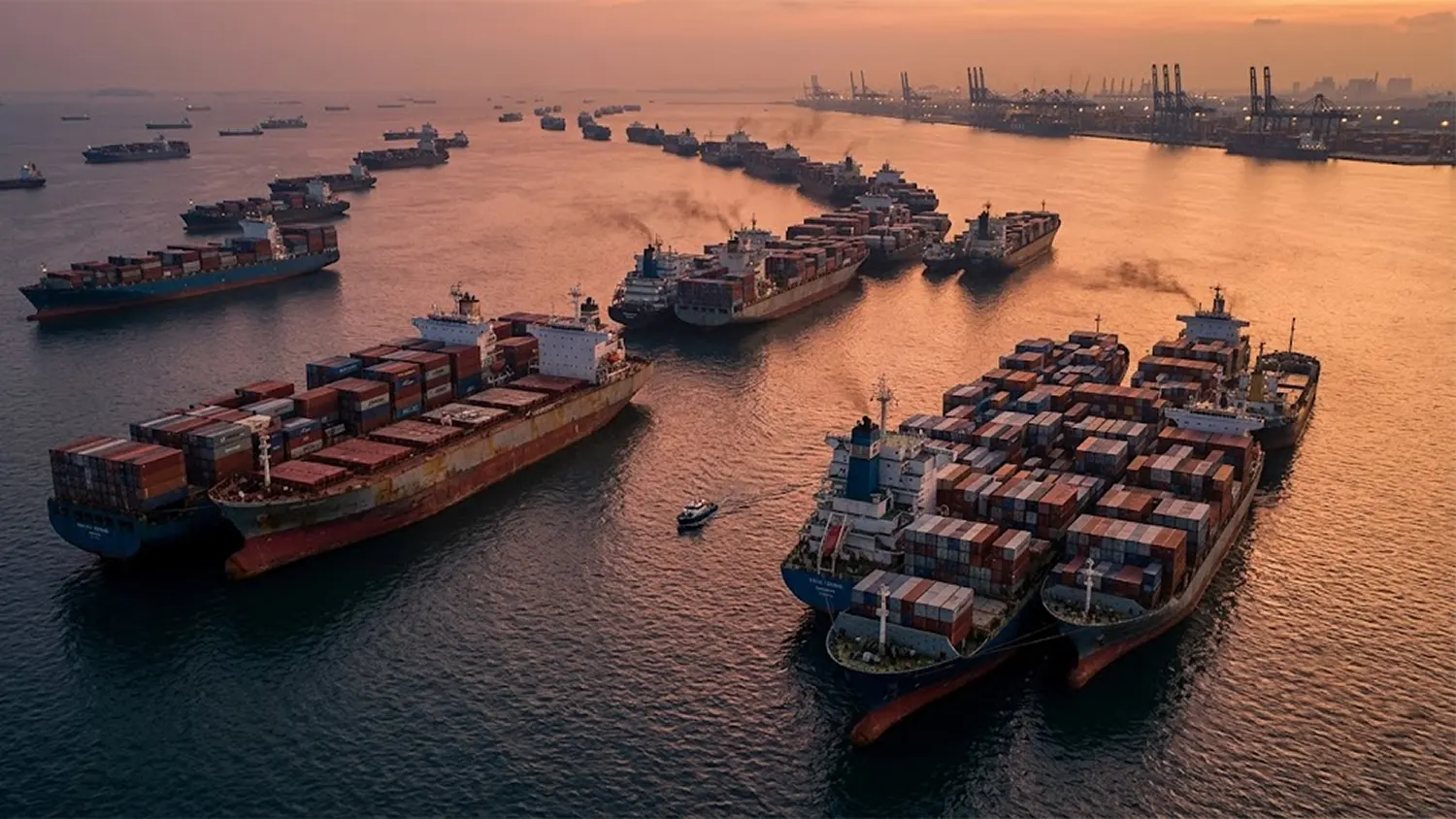
As conflict in the Middle East disrupts supply routes, shipping costs and insurance premiums have surged. The Strait of Hormuz, one of the world’s most critical oil chokepoints has become increasingly difficult to navigate.
Because of this:
- Energy bills are rising sharply in Europe and North America
- Consumers are cutting back on non essential spending
- Demand for Chinese goods is weakening
When households are paying more to heat their homes, they are far less likely to upgrade their smartphones or buy new electronics.
The “Trump Tariff” Effect Is Finally Biting
Trade policy is another major factor.
Direct shipments from China to the U.S. have dropped by a massive 26.5%.
For years, Chinese exporters worked around tariffs by rerouting goods through countries like Vietnam and Mexico. However, stricter enforcement by the U.S. is now closing those loopholes.
This has created what analysts call a “tariff trap”:
- Exports to the U.S. are falling sharply
- Alternative routes are no longer as effective
- China is being forced to rely more on Europe and Latin America
In simple terms: the backdoor is closing, and China is running out of easy alternatives.
The Logistics Crunch: A Global Supply Chain Problem
Beyond costs, there’s a deeper issue physical constraints.
Global shipping routes are becoming less reliable and more restricted.
With key maritime routes under pressure, China is increasingly forced to:
- Use expensive “dark fleet” tankers
- Shift to overland rail routes through Russia and Central Asia
However, these alternatives cannot handle the same volume as traditional sea routes.
This creates a problem, fix one route, and another bottleneck appears.
The Import Surge: Growth or Warning Sign?
At first glance, a 27.8% surge in imports might seem like a positive sign. It’s not.
This spike reflects fear, not strength.
China is aggressively stockpiling critical resources:
- Energy (oil and natural gas) to prepare for supply disruptions
- Industrial metals (iron ore, copper) for infrastructure projects
- Agricultural commodities to avoid food shortages
This is a “survival strategy,” not a sign of a booming economy.
Because of this imbalance weak exports and strong imports, the trade surplus has shrunk dramatically.
The Tech Paradox: Why AI Isn’t Saving Growth
Earlier in the year, China benefited from strong demand for AI related electronics. But that momentum is fading.
There’s a growing mismatch between supply and demand.
Chinese companies have the products ready. But global consumers are under pressure.
- Energy costs are rising
- Inflation is squeezing household budgets
- Discretionary spending is falling
The result: even cutting edge tech products are being delayed or skipped entirely.
The Yuan Dilemma: China’s Economic Pressure Valve
At the center of all this is China’s currency, the yuan (CNY).
The yuan has become the key tool and risk for managing the slowdown.
China’s central bank faces a difficult balancing act:
1. Support Exports
A weaker yuan would make Chinese goods cheaper globally.
2. Prevent Capital Flight
If the currency weakens too much, investors may pull money out of China.
3. Control Import Costs
A weaker yuan makes energy and raw materials even more expensive.
These goals directly conflict with each other creating what economists call an “impossible trinity.”
The Tariff Risk of Currency Moves
There’s another complication.
If China weakens its currency too much, the U.S. may respond with even harsher tariffs.
A drop beyond key levels (around 7.30–7.35 CNY/USD) could trigger:
- Accusations of currency manipulation
- New “snapback” tariffs on Chinese goods
- Further escalation of the trade war
In other words, every move China makes carries serious consequences.
A Hidden Challenge: The “Shadow Trade” System
China is also increasingly trading outside the U.S. dollar system.
More transactions are being settled in currencies like the ruble or dirham.
While this helps bypass sanctions and disruptions, it creates a new problem:
- It becomes harder for China’s central bank to control the yuan
- Traditional policy tools become less effective
This adds another layer of uncertainty to an already fragile system.
What to Watch Next
Several key signals will determine where things go from here.
The Yuan’s Daily Fix
If China starts setting a weaker daily reference rate, it signals a shift into “survival mode.”
U.S.–China Relations
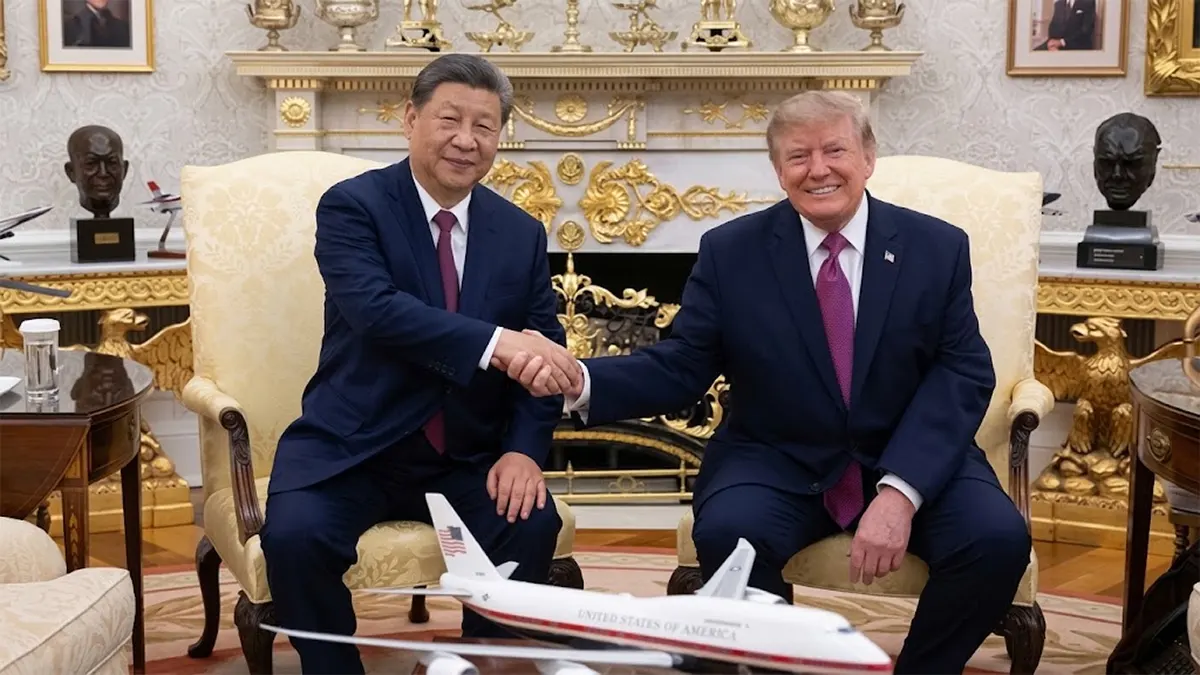
A potential meeting between top leaders in May could shape the future of trade policy.
Energy Prices
If energy costs remain high, global demand will likely stay weak.
Key Takeaways
China’s export engine is losing momentum at a critical moment.
- Export growth has collapsed from 21.8% to 2.5% in just two months
- Imports are rising sharply not due to strength, but due to precautionary stockpiling
- Global factors war, tariffs, and energy costs are driving the slowdown
- The yuan is now the key pressure point, but adjusting it comes with major risks
The bigger picture is clear: China’s economy is no longer just driven by domestic policy
it is increasingly shaped by global instability.
And for the rest of the world, that means one thing:
What happens in China’s trade sector over the next few months will have consequences far beyond its borders.