The global energy crisis triggered by tensions in the Strait of Hormuz is now hitting the heart of the oil industry itself.
Saudi Aramco, the world’s largest oil company, has issued a stark warning about the growing threat to global energy markets.
During its latest earnings call, CEO Amin Nasser cautioned that continued disruption in the Persian Gulf could lead to “catastrophic consequences” for the global economy.
The warning comes at a time when oil shipping routes are under pressure, regional security risks are rising, and energy companies are scrambling to protect their infrastructure. Even a company as large and powerful as Aramco is now navigating both financial volatility and physical security threats.
Aramco’s Massive Profits But a Clear Decline
Despite the growing turmoil in energy markets, Saudi Aramco remains one of the most profitable companies on Earth.
For the 2025 fiscal year, the company reported a net income of
$93.4 billion, according to its official financial filings.
However, that figure represents roughly a 12% decline compared to 2024, reflecting softer oil prices and broader economic uncertainty.
When stripping out exceptional items, the numbers appear somewhat stronger. Aramco’s adjusted net income reached $104.7 billion, representing a smaller decline of about 5% compared with the previous year’s $110.3 billion.
But beyond the headline numbers, the message from the company’s leadership was unmistakable.
The financial results tell only part of the story. The larger concern is the rapidly escalating security risk surrounding global oil supply routes.
The Strait of Hormuz Crisis
At the center of Aramco’s warning lies the Strait of Hormuz, one of the most critical shipping corridors in the world.
Nearly one fifth of the planet’s oil supply passes through this narrow waterway every day. Any disruption there can quickly ripple across global markets.
During the earnings call, CEO Amin Nasser described the situation in unusually direct terms. He warned that if the disruption continues,
the world could face a chain reaction affecting far more than just energy markets.
According to Nasser, the consequences could extend into multiple sectors, including:
- aviation fuel supply
- global agriculture
- automobile manufacturing
- international supply chains
In other words, the crisis could spread far beyond oil markets and into the broader global economy.
Oil Facilities Now in the Crosshairs
While energy companies often worry about price fluctuations, the current situation presents a different type of risk.
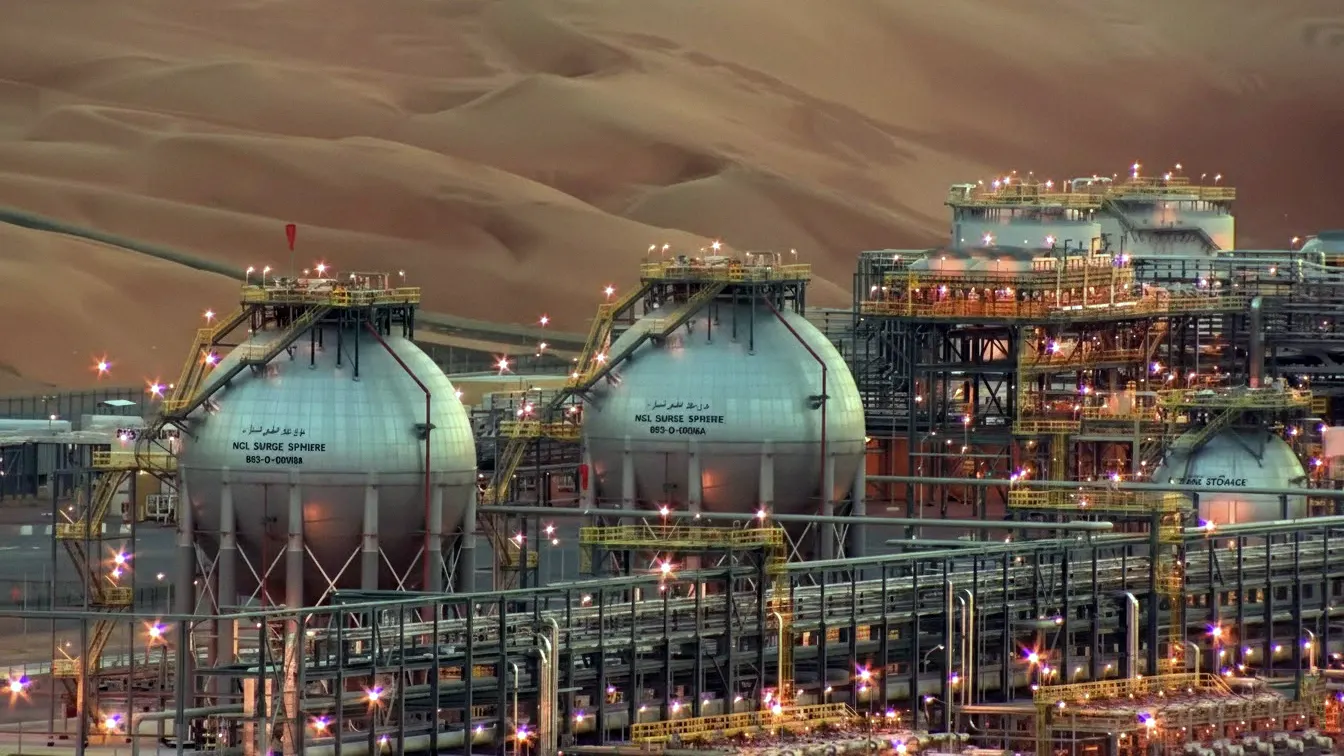
Saudi Aramco’s facilities themselves are now facing direct security threats.
Recent drone attacks have targeted energy infrastructure in the region, including small fires reported at the Ras Tanura refinery, one of the largest oil export terminals in the world. While Aramco quickly contained the damage and maintained operations, the incident highlighted the vulnerability of critical energy assets.
Because of this, the company has begun adjusting its logistics strategy.
Aramco has started rerouting some oil shipments through the Red Sea via Yanbu Port, allowing tankers to bypass the increasingly dangerous shipping lanes in the Persian Gulf.
However, this workaround is far from ideal.
Rerouting shipments adds distance, increases transportation costs, and delays deliveries, which in turn tightens available supply in global markets.
Markets React to the Warning
Investors responded cautiously to Aramco’s latest earnings announcement.
Saudi Aramco’s stock experienced moderate volatility, ultimately closing about 2% lower as investors weighed the company’s strong $104.7 billion adjusted profit against the sobering security warnings issued by leadership regarding the Strait of Hormuz crisis.
Two forces appear to be shaping investor sentiment.
First, the 12% drop in annual net profit signaled softer profitability compared with the previous year.
Second, and perhaps more importantly, Amin Nasser’s warning about the Strait of Hormuz crisis reminded investors that geopolitical risk remains extremely high.
That concern outweighed some of the optimism sparked earlier by political claims that the regional conflict could reach a quick conclusion.
Aramco’s Strategy to Reassure Investors
To stabilize market confidence, Saudi Aramco has taken several steps aimed at reassuring shareholders.
The company announced its first ever share buyback program worth
$3 billion, a move designed to support the stock price and return capital to investors.
At the same time, Aramco confirmed an increase in its quarterly dividend, reinforcing its reputation as one of the most reliable dividend paying companies in global markets.
These measures reflect the delicate balance the company is trying to maintain.
On one hand, Aramco remains enormously profitable. On the other,
the geopolitical risks surrounding global oil supply have rarely been higher.
Beyond the Numbers: Why Aramco’s Warning Matters
Saudi Aramco is not just another oil producer. It sits at the center of the global energy system.
When Aramco warns of economic disruption, markets listen.
The company produces millions of barrels of oil every day and plays a critical role in stabilizing energy supply for Asia, Europe, and North America. Because of this, its operations serve as a barometer for the health of the global oil market.
A prolonged disruption in the Strait of Hormuz would not simply affect one company.
It could reshape global energy flows, drive higher fuel prices, and amplify inflation across multiple industries.
The Stakes for the Global Economy
Saudi Aramco’s latest earnings report highlights both financial strength and growing geopolitical risk.
- The company reported $93.4 billion in net income for 2025, down roughly 12% from the previous year.
- Adjusted net income reached $104.7 billion, reflecting a smaller 5% decline.
- CEO Amin Nasser warned that continued disruption in the Strait of Hormuz could have “catastrophic consequences” for the global economy.
- Aramco facilities have already faced drone threats, including incidents near the Ras Tanura refinery.
- The company has begun rerouting shipments through the Red Sea while launching a $3 billion share buyback program to support investors.
Ultimately, the company’s message is clear.
The global oil market is entering a period where geopolitics not just supply and demand will determine the price and availability of energy.
And as tensions around the Strait of Hormuz continue to unfold,
even the world’s largest oil producer is warning that the stakes could not be higher.