Diplomacy Meets Escalation Ahead of April 14 Summit
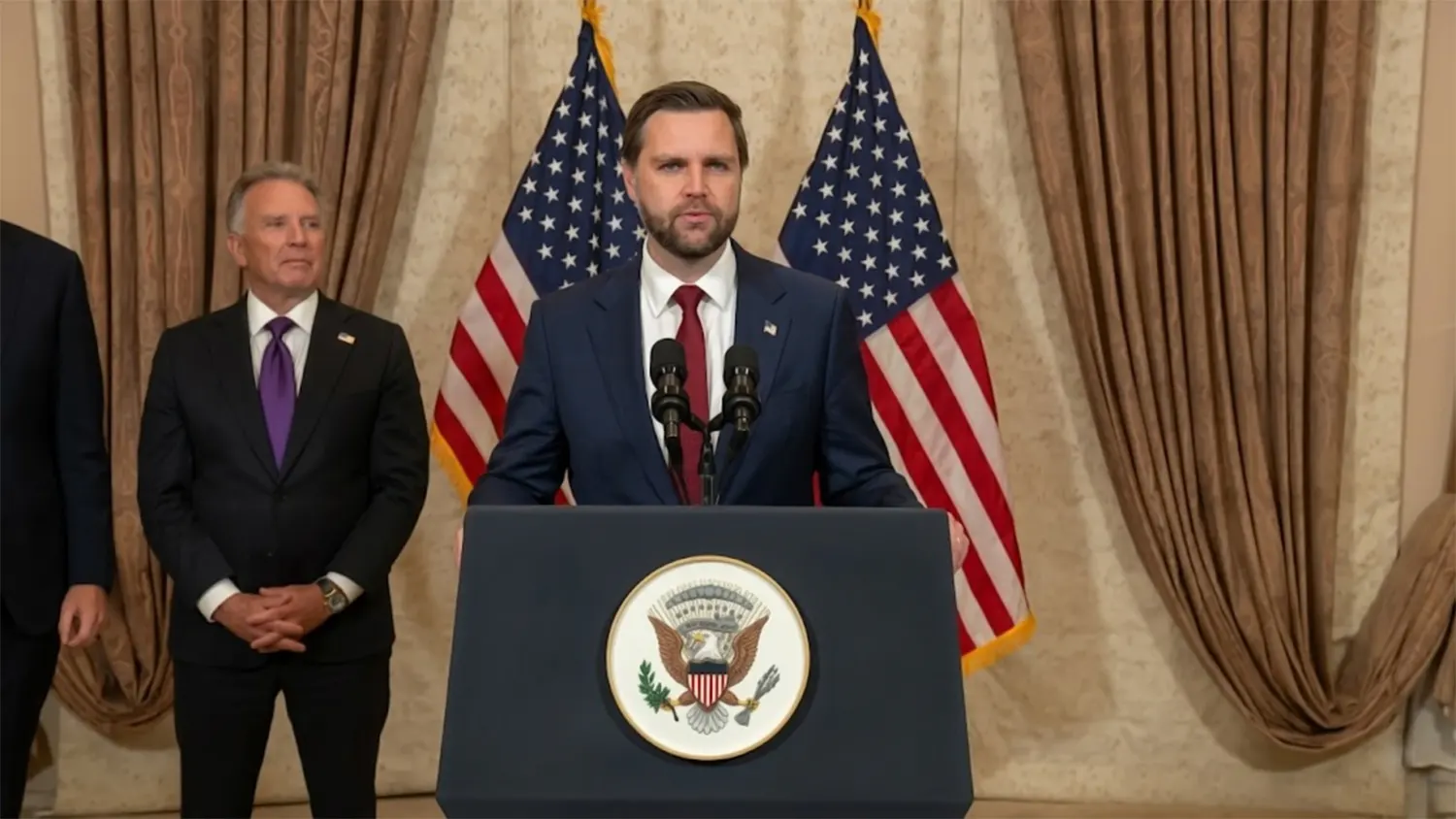
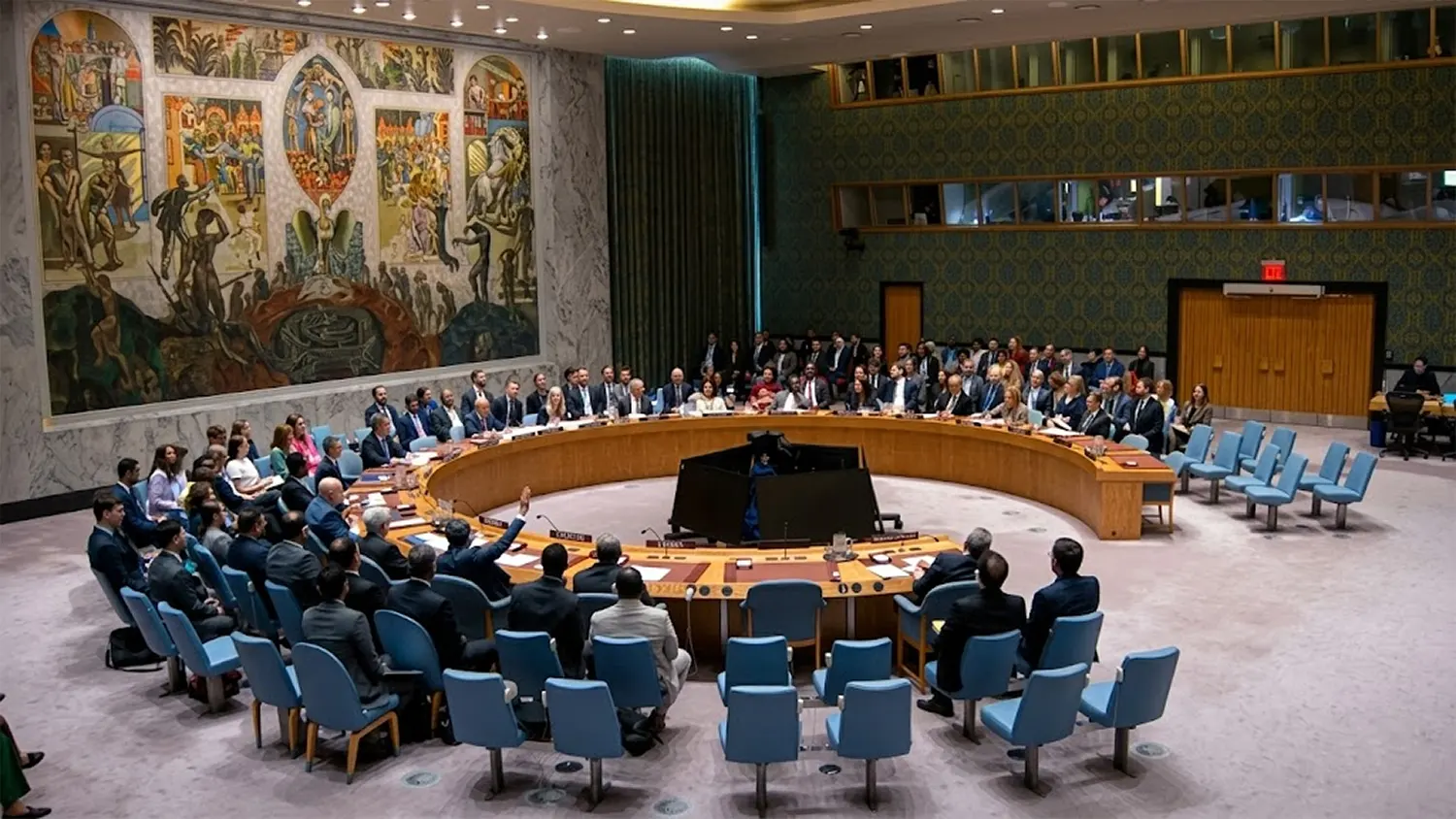
The United States will host Lebanese and Israeli officials in Washington on April 14, 2026, aiming to launch ceasefire talks even as Israeli strikes continue and no pause in fighting has been agreed.
Why This Moment Matters Now
This meeting marks the first direct coordination between Lebanese and Israeli diplomats in Washington, signaling a rare opening for dialogue. Yet the timing is critical: the talks are unfolding amid intensifying violence, political pressure, and unresolved military objectives.
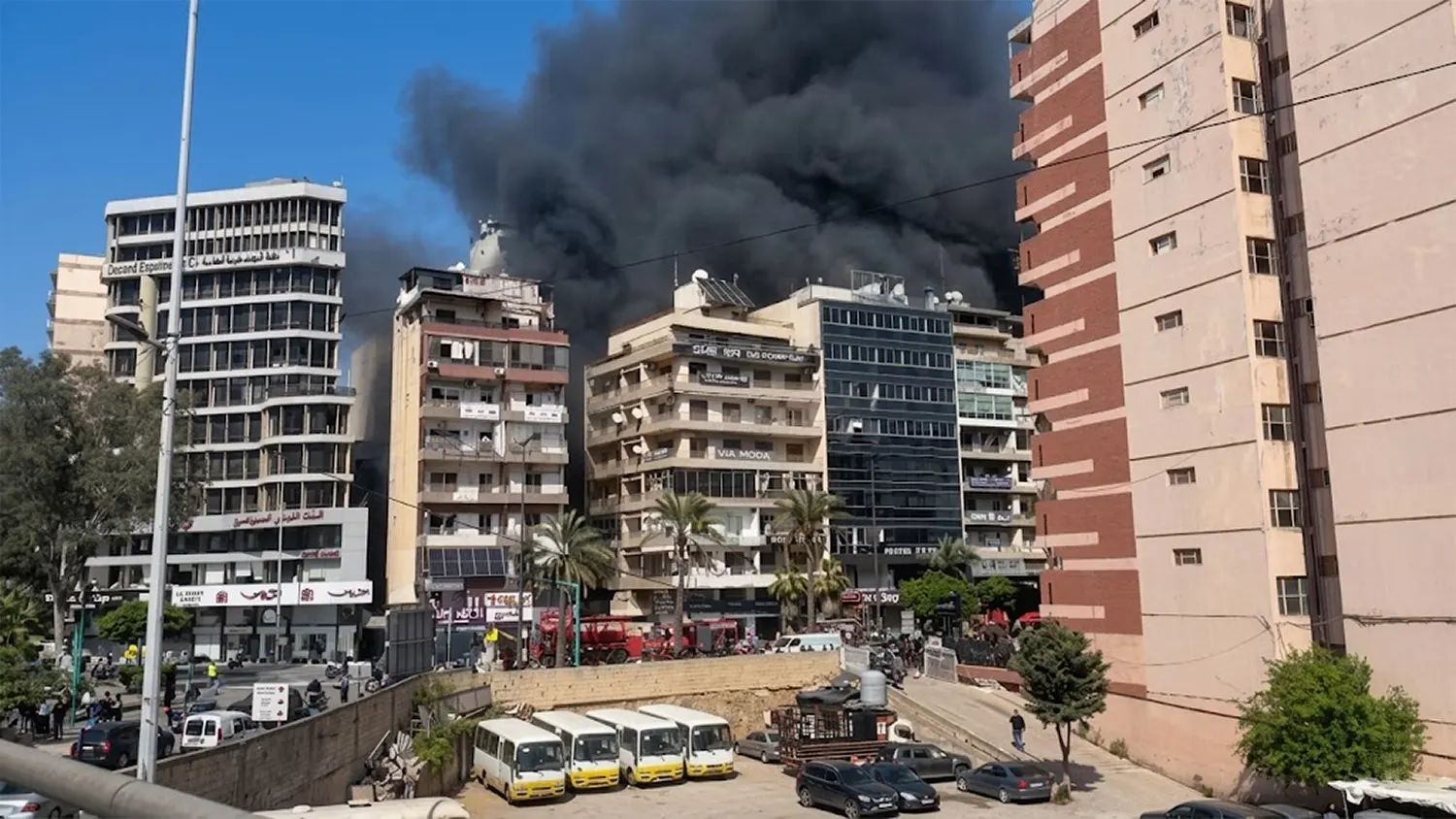
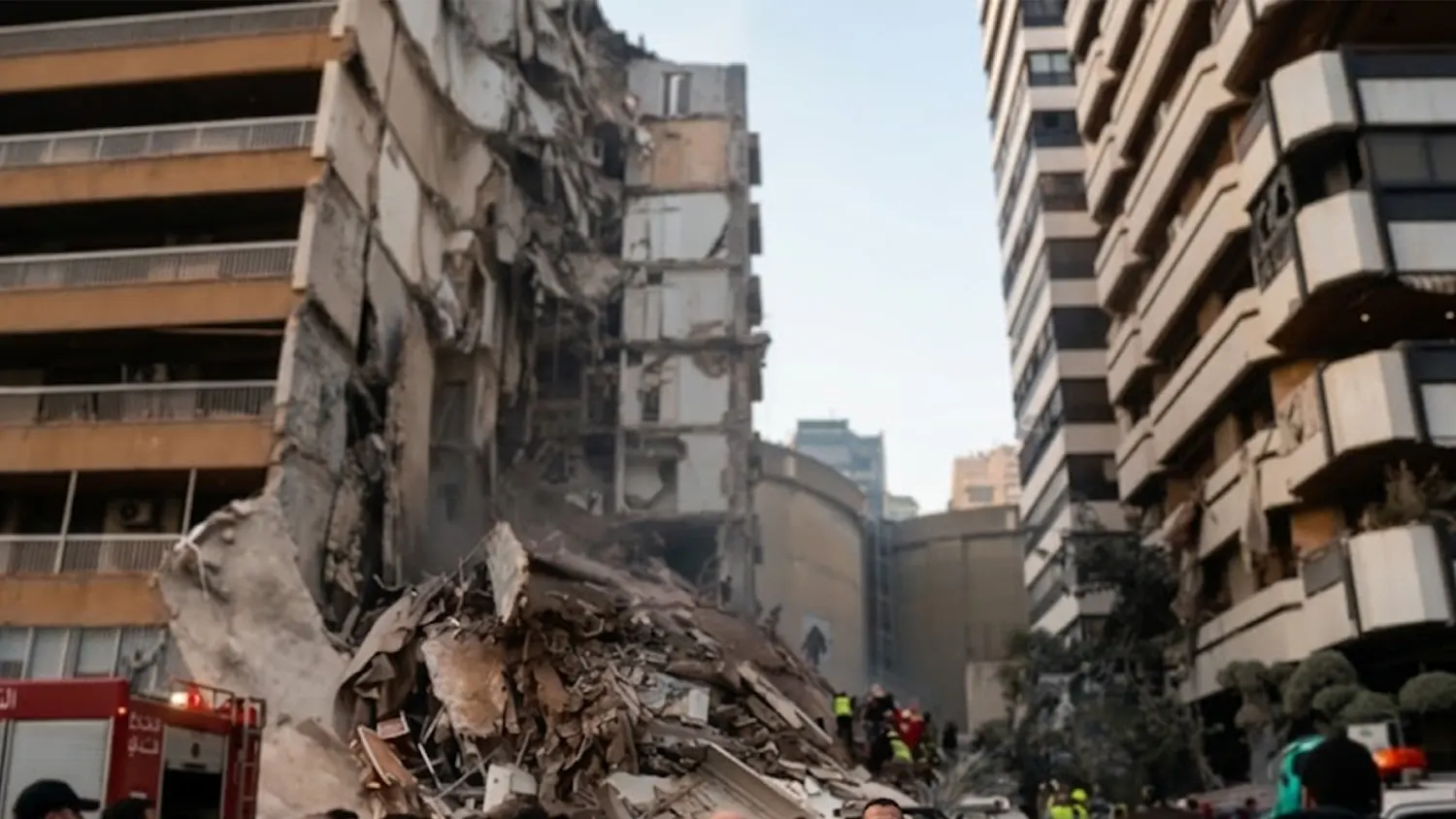
What makes this moment especially fragile is the contrast between high level diplomacy and ongoing warfare. While negotiators prepare for talks, conditions on the ground are worsening raising doubts about whether diplomacy can gain traction at all.
A Historic Call, but a Fragile Opening
The path to Tuesday’s meeting began with a breakthrough. For the first time, Lebanon’s ambassador Nada Hamadeh Moawad and Israel’s envoy Yechiel Leiter held a direct call to coordinate logistics.
That step alone reflects a shift. Direct contact between the two sides has been rare, particularly during active conflict. The goal now is to use the Washington meeting to outline a ceasefire framework and establish a timeline for negotiations.
But the breakthrough comes with limits. The talks are being mediated by the United States under the Trump administration, where internal disagreements persist over how the Lebanon conflict is defined.
And that ambiguity feeds directly into the next challenge.
When War Goals Override Diplomatic Timelines
At the center of the tension is a clear message from Israeli leadership: military objectives come first.
Prime Minister Benjamin Netanyahu has outlined three non negotiable goals:
- Securing the return of Israeli residents near the northern border
- Forcing Hezbollah north of the Litani River and dismantling its capabilities
- Achieving a “peace from strength” agreement before any ceasefire
This stance has immediate implications. By insisting there is “no ceasefire until security is restored,” Israel is signaling that negotiations will proceed while military operations continue.
That raises a second question: can meaningful diplomacy happen without even a temporary halt in fighting?
The Missing Gesture That Could Derail Everything
To address that concern, U.S. and Lebanese officials have requested a 48 hour “tactical pause” in airstrikes ahead of the talks.
The request is simple but critical: create enough calm to allow negotiations to begin without the pressure of ongoing attacks.
So far, no such pause has been approved.
Netanyahu has indicated that Israel still has “objectives to complete,” effectively rejecting the idea of halting operations before Tuesday. Even a shorter 24 hour reduction in intensity has not been confirmed.
What makes this even more urgent is the political pressure inside Lebanon.
Without a pause, the Lebanese delegation may withdraw from the talks entirely, turning a diplomatic opportunity into a missed one before it begins.
A War Strategy That Signals Long Term Control
Beyond immediate battlefield decisions, Israeli policy appears to be shifting toward a longer term military presence in southern Lebanon.
Defense Minister Israel Katz has proposed:
- A permanent “buffer zone” extending up to 3 kilometers into Lebanon
- The demolition of border towns to prevent civilian return
- A policy that could keep hundreds of thousands of displaced residents from returning home
This is not a short term campaign. It reflects a strategy aimed at reshaping the security landscape indefinitely.
And that complicates diplomacy. If one side is preparing for long term control, the incentive for a quick ceasefire diminishes.
Internal Divisions Threaten Lebanon’s Position
While Lebanon’s government has agreed to participate in the Washington talks, it does not speak with one voice.
President Joseph Aoun has described the meeting as a “positive momentum” toward
de escalation. But within Lebanon, there is strong opposition.
Hezbollah officials and allied politicians have rejected the talks outright, calling them invalid while the country remains under attack.
Their position is clear: no negotiations without a full ceasefire first.
This internal divide weakens Lebanon’s negotiating position. It also raises the risk that even if talks proceed, any agreement could face immediate resistance at home.
U.S. Pressure Builds Behind Closed Doors
Behind the scenes, the United States is applying significant pressure to keep the talks alive.
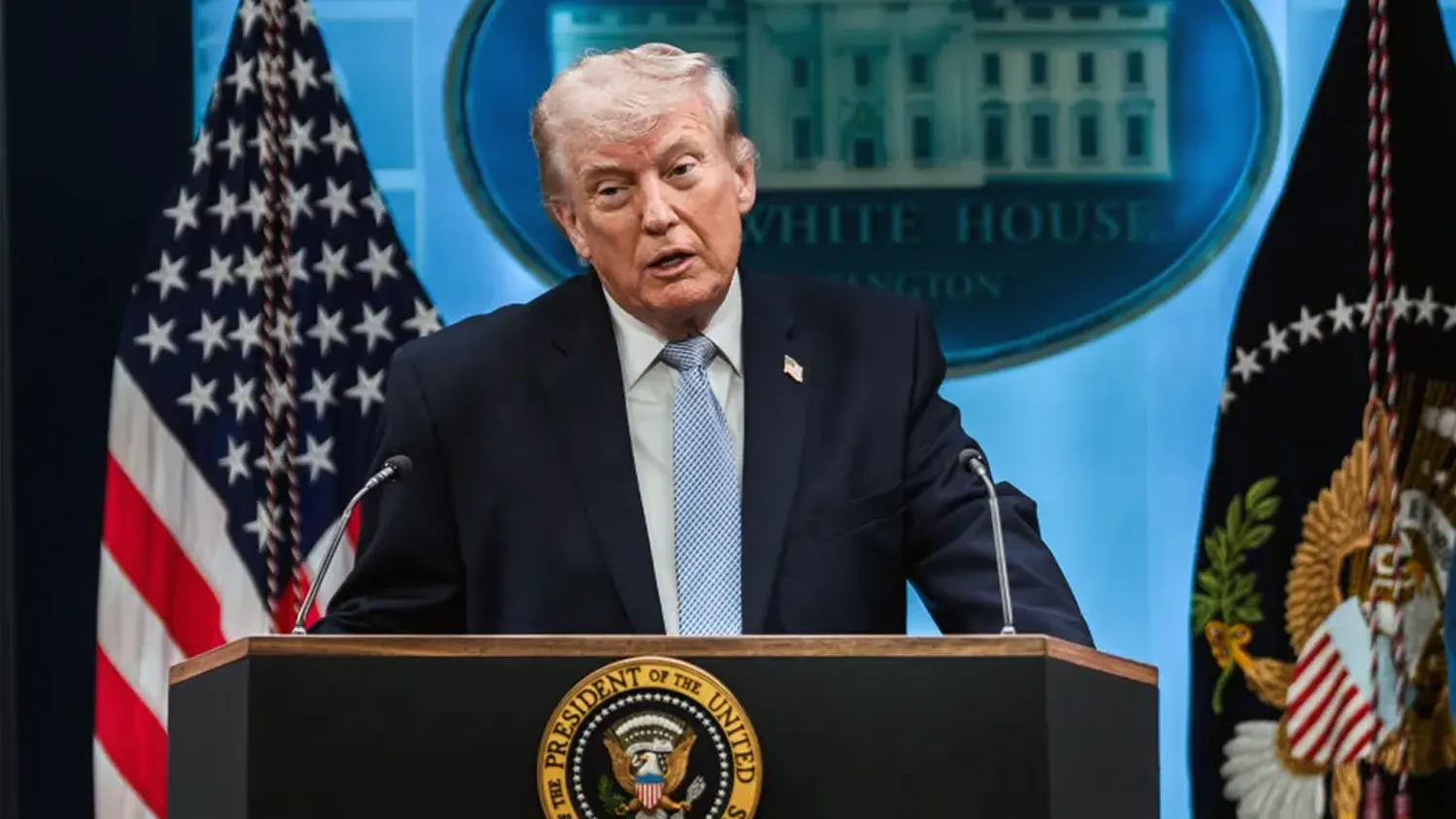
Reports indicate a tense exchange between President Donald Trump and Netanyahu, with Washington pushing for direct engagement.
According to those reports:
- The U.S. warned it could impose a broader regional ceasefire if talks were refused
- Israel agreed to attend but only under the condition of continuing military operations
This compromise has created a delicate balance. The talks are happening but under terms that may limit their effectiveness.
Meanwhile, U.S. officials are working “around the clock” to secure at least a minimal pause before Tuesday.
Regional Stakes Extend Beyond Lebanon
The Washington meeting does not exist in isolation. It is part of a wider diplomatic effort unfolding simultaneously.
In Islamabad, U.S. Vice President JD Vance is meeting with Iranian representatives to stabilize the broader regional framework.
Iran has issued a warning: continued strikes in Lebanon could jeopardize the entire diplomatic process.
This creates a layered risk. If fighting continues unchecked, it could:
- Undermine talks in Washington
- Destabilize parallel negotiations with Iran
- Reignite wider regional tensions
In effect, Lebanon has become a pressure point for multiple diplomatic tracks at once.
A Countdown to Tuesday and a Test of Intent
As the April 14 meeting approaches, the situation remains unresolved.
The key variable is no longer whether talks are scheduled but whether they will actually happen.
Everything now hinges on a single decision:
Will there be a pause in the fighting?
If not, Lebanon’s delegation may refuse to attend, and the fragile diplomatic opening could collapse before it begins.
And that outcome would reinforce a growing pattern where talks are announced, but conditions on the ground make them impossible to sustain.
Diplomacy Under Fire
The Washington summit was meant to signal progress. Instead, it has become a test of whether diplomacy can function in the middle of active conflict.
For now, the answer remains uncertain.
Because as long as military objectives take priority over political compromise, every negotiation risks being overshadowed by the war it is meant to stop.