A fragile U.S.–Iran ceasefire took effect this week, but Israeli strikes in southern Lebanon continued on April 8, 2026, highlighting a widening gap between diplomatic agreements and realities on the ground.
The development matters because it exposes a critical flaw in the truce. While global markets and shipping lanes responded with relief, Lebanon has emerged as a dangerous exception, where violence is not only continuing but escalating.
But the real shift came when political messaging began to diverge.
A ceasefire with a critical exception
Initially, Pakistan’s Prime Minister Shehbaz Sharif, who helped broker the deal, suggested the truce would apply “everywhere, including Lebanon.” However, Israel quickly rejected that interpretation, with Prime Minister Benjamin Netanyahu stating the agreement “does not include Lebanon.”
That clarification was more than diplomatic nuance. It set the stage for a two track
conflict, where tensions with Iran are paused while operations against Hezbollah intensify.
What makes this even more consequential is Israel’s strategic reasoning.
Israel views Hezbollah not as an extension of Iran in this context, but as an immediate and independent security threat. Officials argue that the ceasefire offers a window to act decisively in the north without risking direct escalation with Tehran.
That strategic window is already being used.
Airstrikes and evacuations signal escalation, not restraint
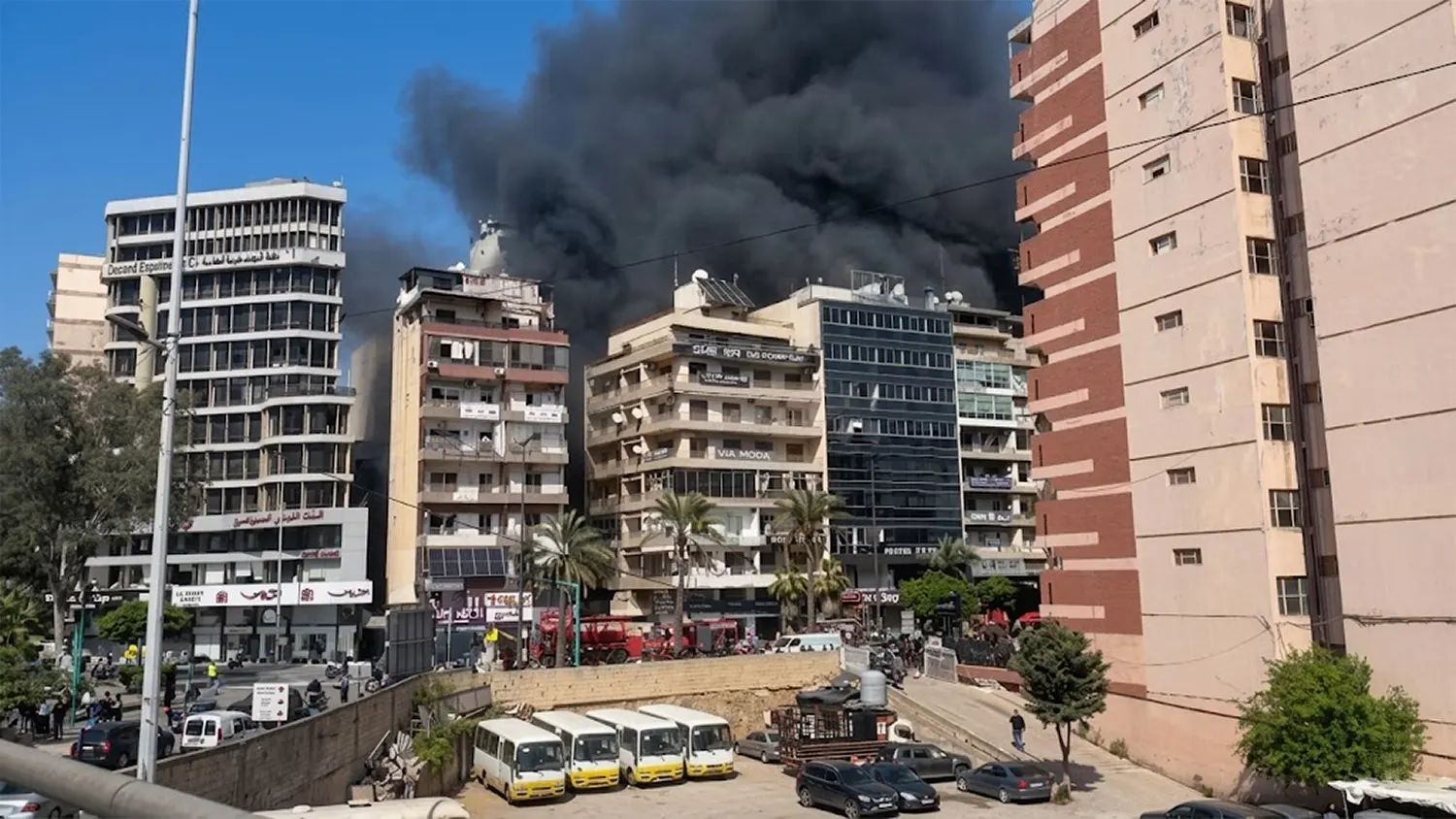
On April 8, Israeli forces launched a series of strikes across southern Lebanon. In Tyre, also known as Sur, at least four civilians were killed in morning air raids, according to local health officials.
The strikes hit the Al Haniyah and Al Mansouri areas, with damage extending beyond the intended targets. Nearby medical facilities reported structural damage, while a strike near a Palestinian refugee camp triggered panic among displaced families.
But the escalation did not stop there.
In Beirut’s southern suburbs, known as Dahiyeh, the Israeli military issued fresh evacuation warnings. Residents in Haret Hreik and Hadath were told to leave immediately due to impending strikes on what Israel described as Hezbollah linked infrastructure.
The warnings triggered a hurried exodus. Roads leading north quickly filled as drones hovered overhead, reinforcing fears of imminent attacks.
And this pattern is not limited to major cities.
Southern Lebanon becomes a concentrated combat zone
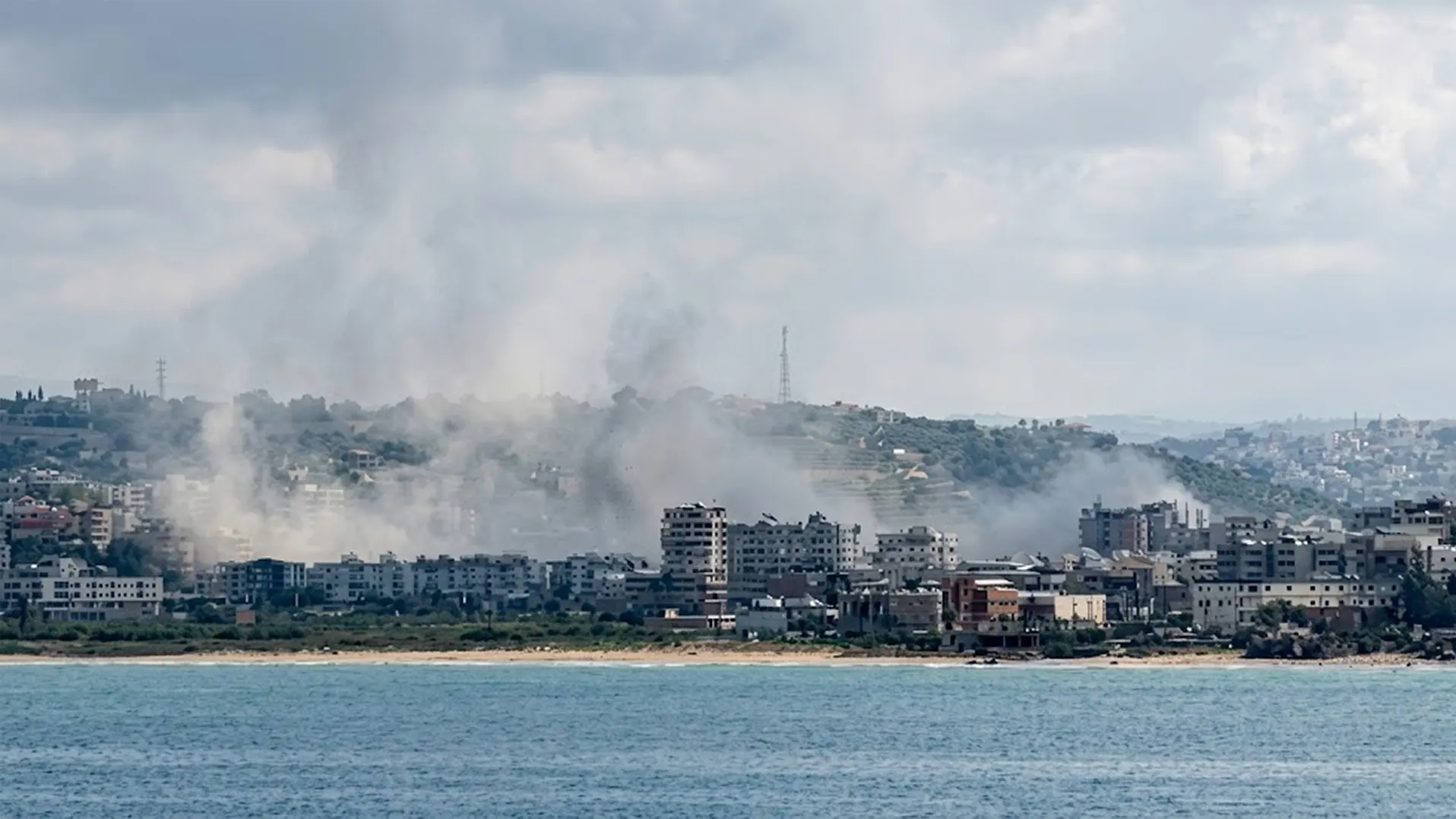
Further south, villages including Shaqra, Haddatha, and Kafra have faced continuous bombardment since early morning. These attacks are part of what analysts describe as an “artillery belt” strategy, designed to prevent Hezbollah fighters from regrouping.
The approach reflects a shift toward containment and disruption rather than isolated strikes. By maintaining constant pressure, Israel aims to limit Hezbollah’s mobility and operational capacity.
But the human cost is mounting rapidly.
The United Nations estimates that around 1.2 million people nearly 20% of Lebanon’s population are now internally displaced. Evacuation orders have expanded to more than 100 towns and villages, creating one of the largest displacement crises in the country’s recent history.
That raises a second question: why is this happening despite a broader ceasefire?
Three competing agendas shape the conflict
At the heart of the situation is a disconnect between the main actors involved.
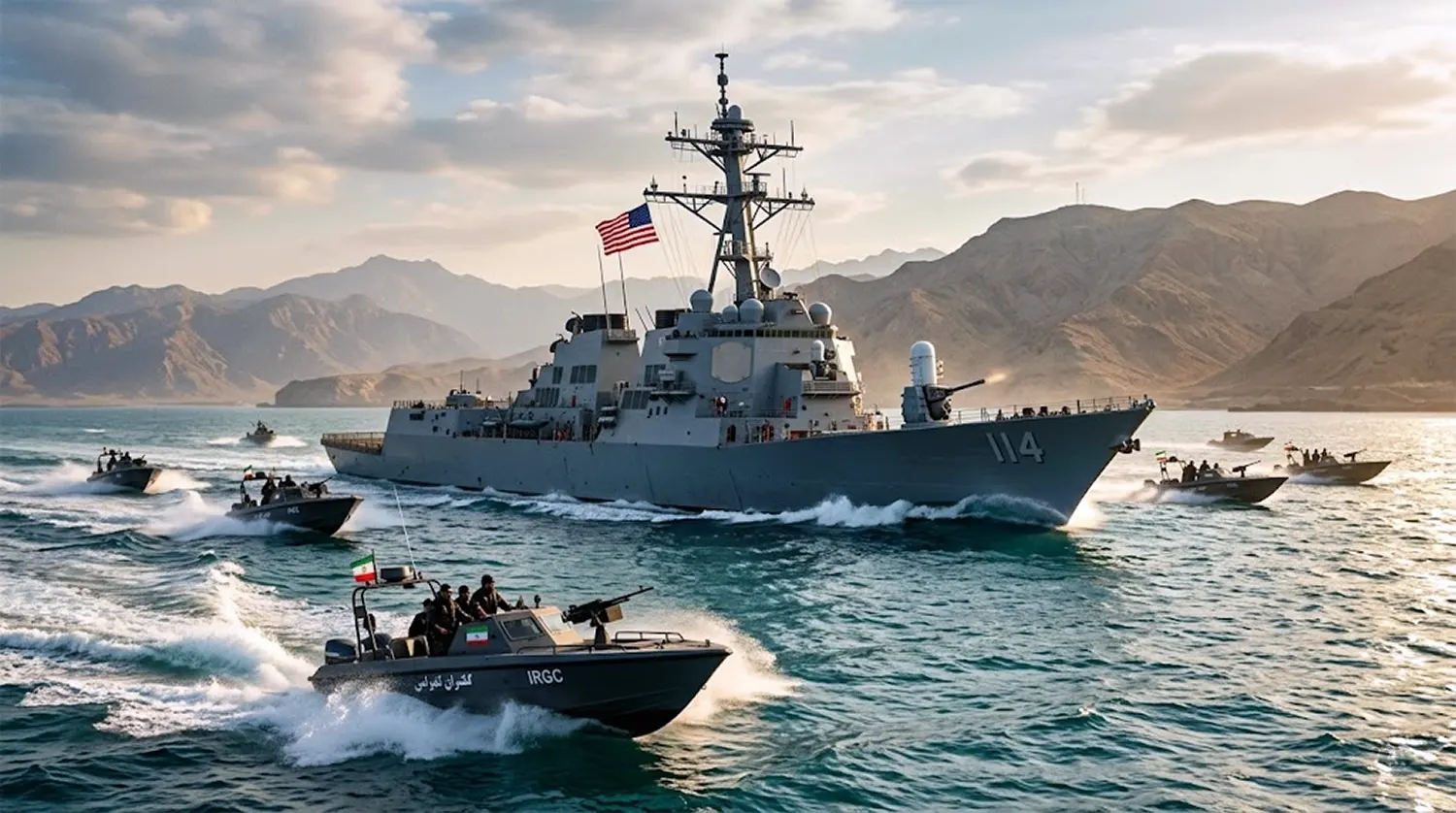
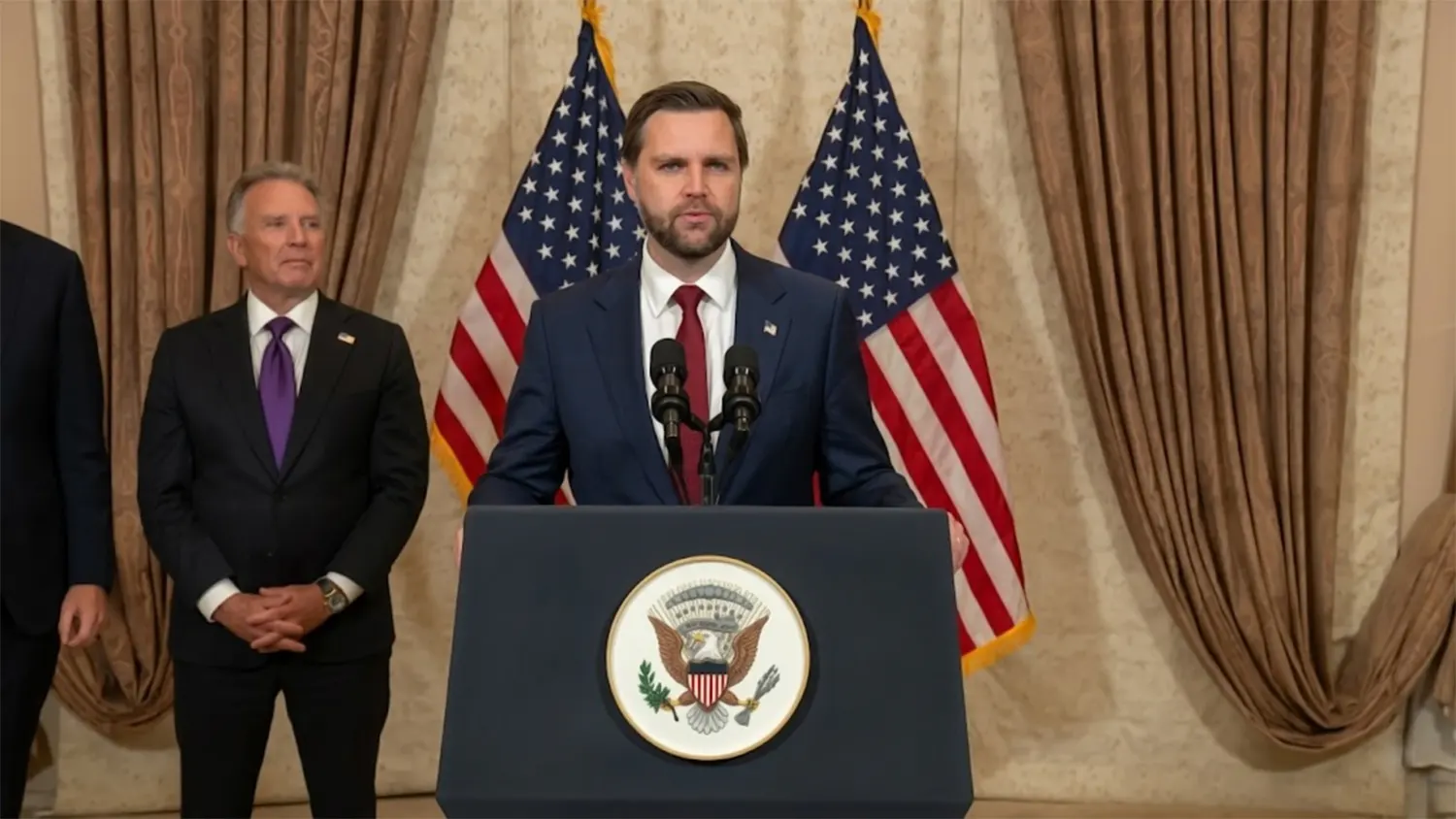
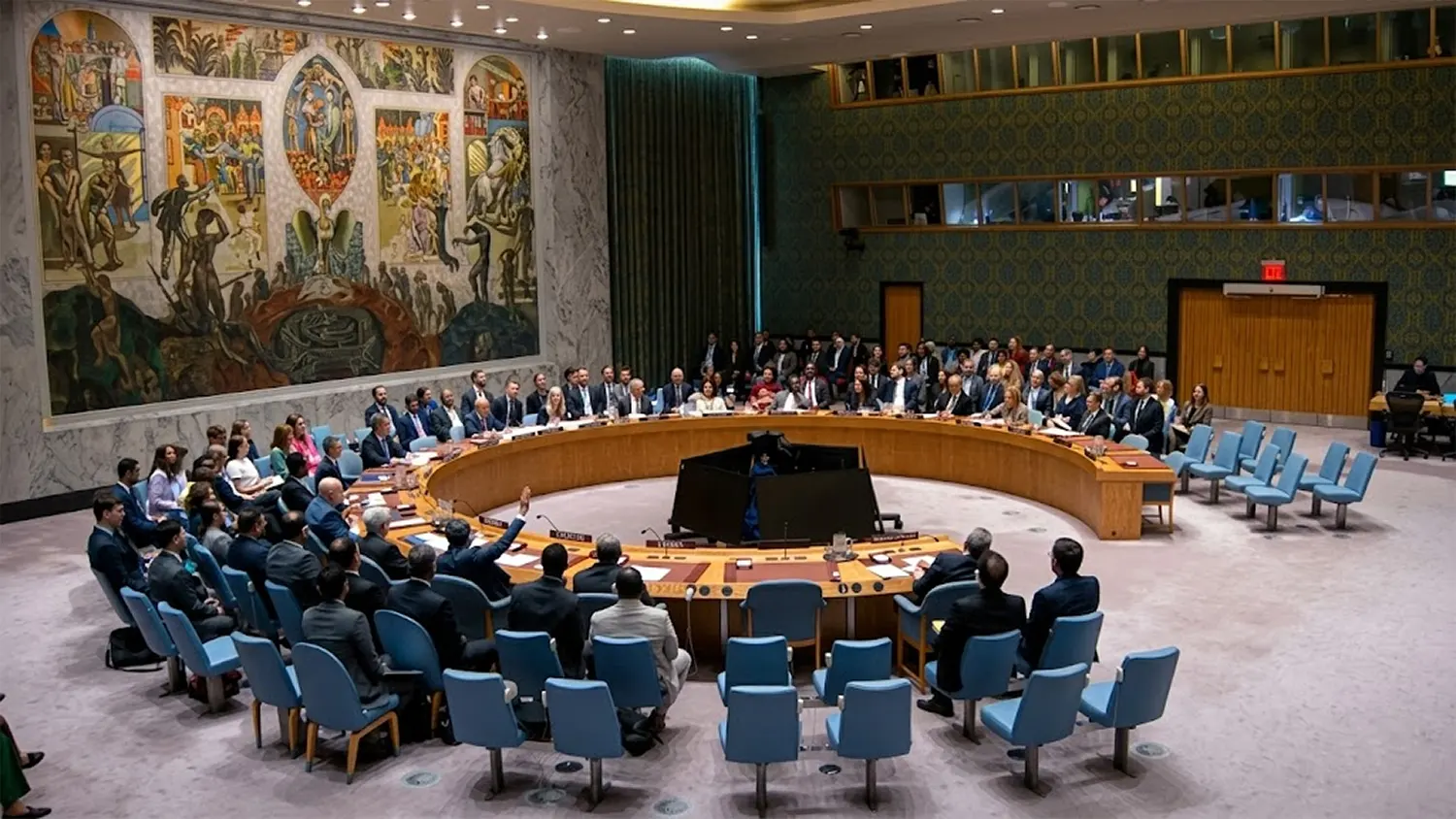
The United States is focused on stabilizing the region. Its priority is keeping the Strait of Hormuz open and avoiding a wider war, which explains its push for a limited ceasefire with Iran.
Iran, meanwhile, has framed the agreement differently. Officials describe it as a strategic victory that reflects battlefield strength, using the pause to reinforce their political narrative at home and abroad.
Israel’s position stands apart. For its leadership, the ceasefire is not an endpoint but a tactical pause that frees up military resources. With the threat of direct Iranian retaliation reduced, attention has shifted decisively to Hezbollah.
This divergence has created what observers call a “selective ceasefire.”
And that selectivity is having real world consequences.
A diplomatic gap leaves Lebanon exposed
Lebanon now finds itself in what analysts describe as a “diplomatic vacuum.” The country is neither fully covered by the ceasefire nor central to ongoing negotiations.
The confusion surrounding Pakistan’s initial announcement has only deepened frustration in Beirut. Many officials and civilians believed the truce would bring at least temporary relief. Instead, the exclusion of Lebanon has effectively isolated it as an active battlefield.
Without the deterrent effect of a broader regional war, military operations have intensified rather than slowed.
This creates a paradox. A deal intended to reduce conflict has, in one area, enabled it to expand.
The human cost of a “partial peace”
For civilians, the distinction between fronts offers little comfort. Airstrikes, evacuations, and displacement continue to define daily life across southern Lebanon.
Images of smoke rising over coastal cities and reports of damaged hospitals underscore a stark reality: the pause in one conflict has not translated into safety everywhere.
The situation also raises broader concerns about how ceasefires are structured. Agreements that exclude key regions of conflict risk shifting violence rather than ending it.
And that brings the focus back to where this began.
The U.S.–Iran ceasefire may have reduced the risk of a wider regional war, but its limits are now clearly visible. In Lebanon, the guns have not fallen silent. Instead, they have grown louder reminding the world that even in moments of diplomacy, some battlefields remain very much active.