Why This Meeting Matters Now
At a time of rising global instability, the latest U.S.-Japan summit signals a decisive shift toward economic and strategic alignment.
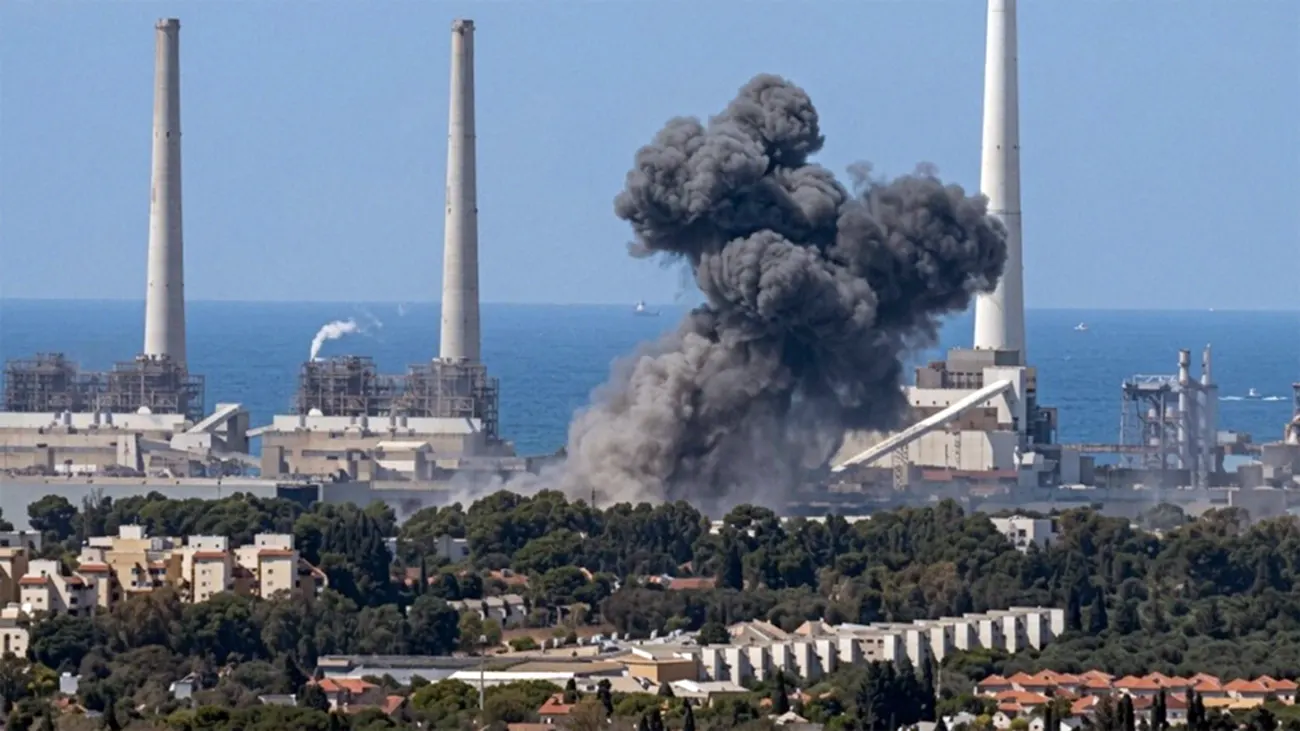
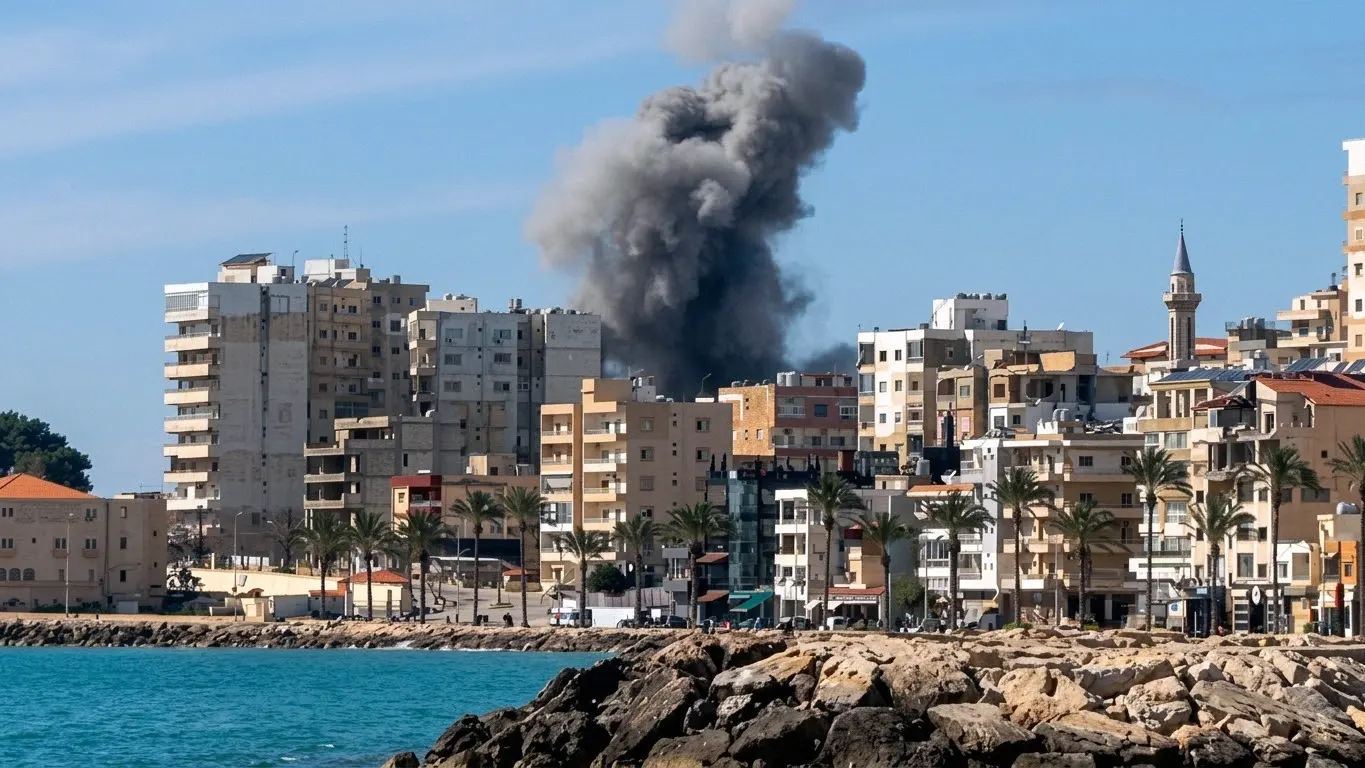
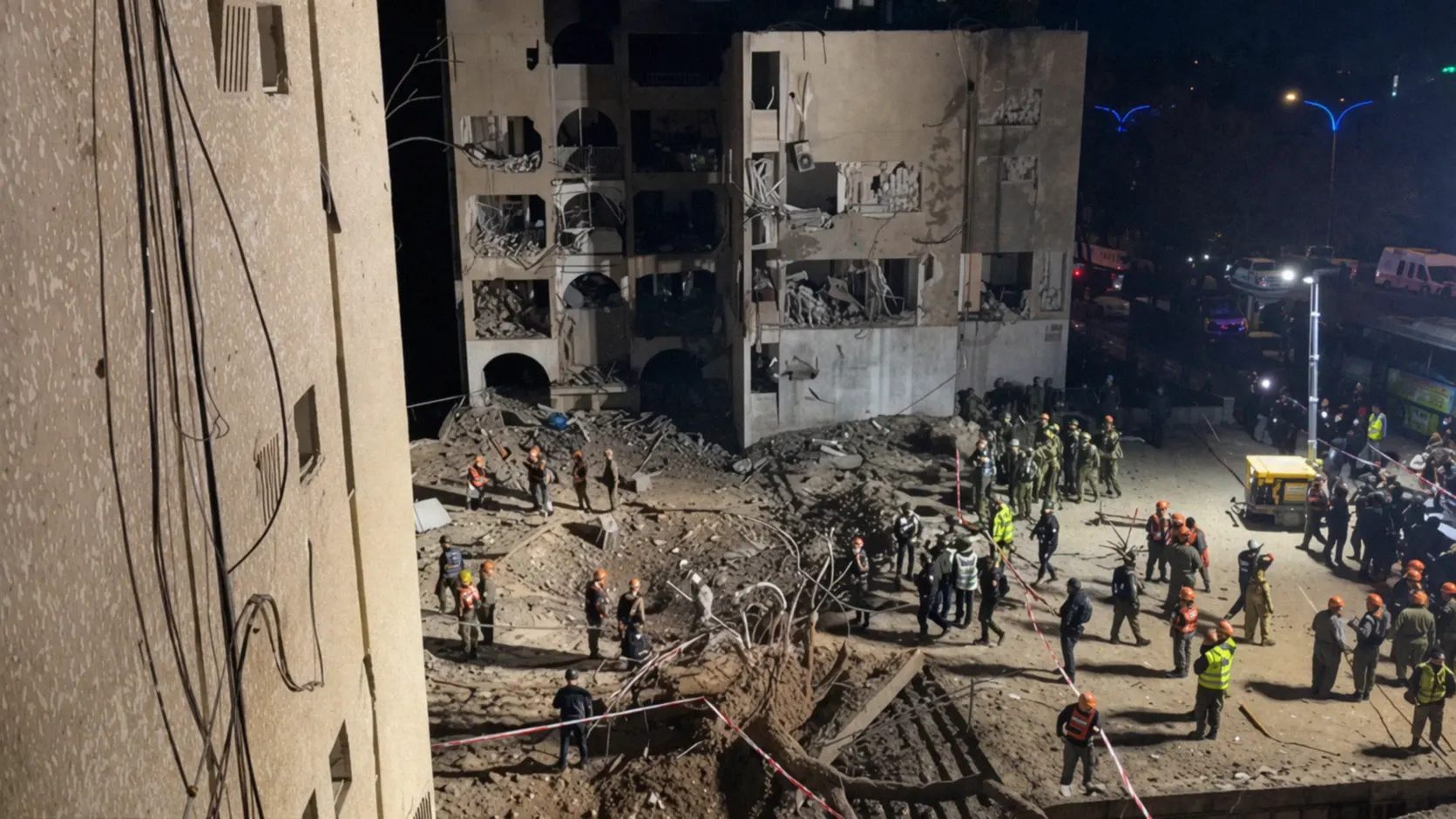
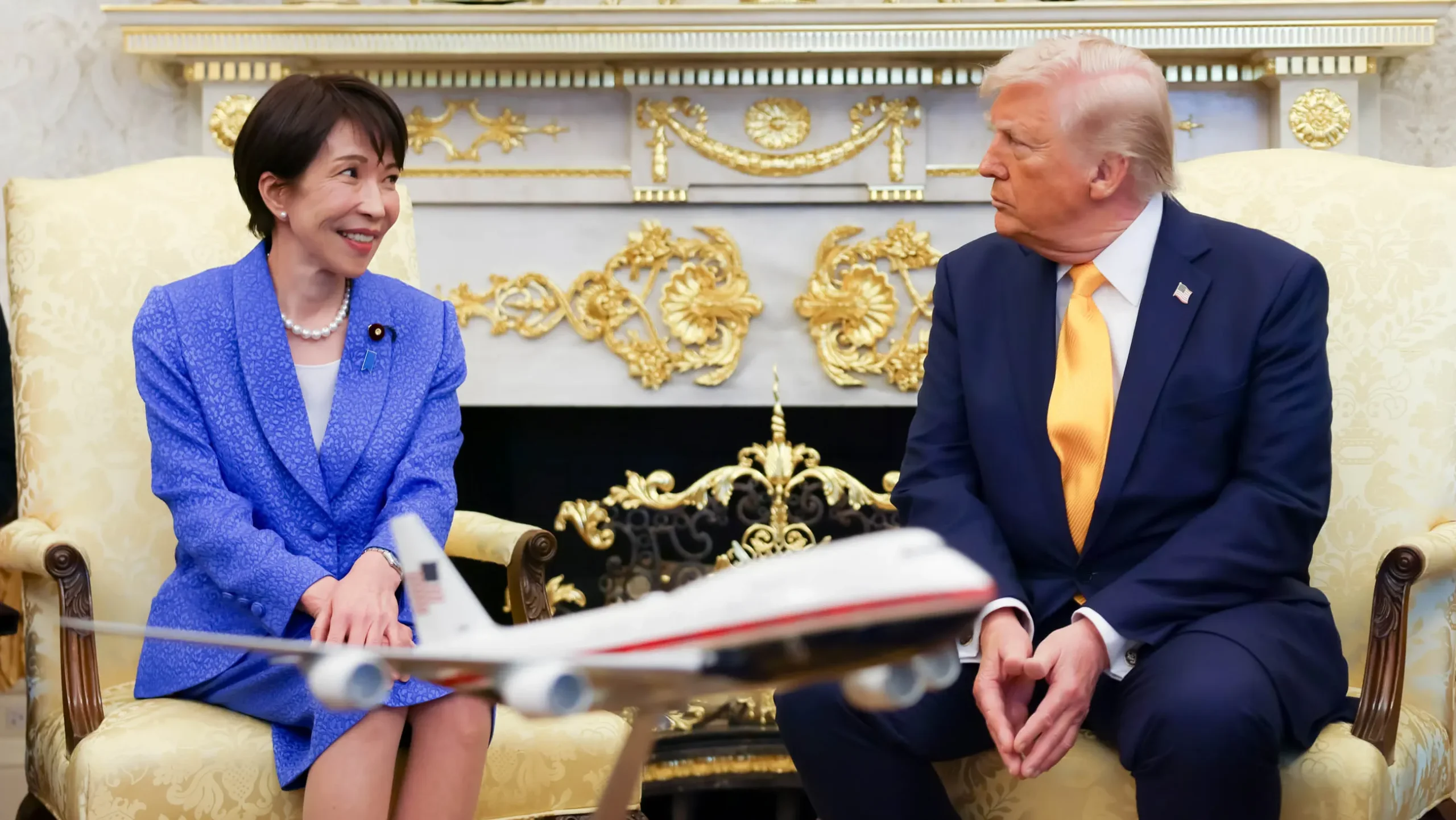
The March 19 meeting between Japanese Prime Minister Sanae Takaichi and U.S. President Donald Trump was not just another diplomatic engagement. It unfolded against the backdrop of war in the Middle East, volatile energy markets, and intensifying competition with China.
The result: a massive $73 billion investment package and a delicate balancing act over military commitments.
A Strategic Alliance Under Pressure
To understand the significance of this deal, it helps to zoom out.
This agreement is the second phase of a sweeping $550 billion Japanese investment pledge to the United States, originally negotiated in exchange for tariff relief and deeper economic cooperation.
But this is not simply about trade.
It reflects a broader shift toward “economic security” where energy, technology, and supply chains are treated as matters of national defense.
As conflict in the Middle East threatens global oil flows, both Washington and Tokyo are moving to reduce vulnerability and reinforce their alliance.
What Happened in Washington
Prime Minister Takaichi’s visit, spanning March 18–20, was short but highly focused.
The centerpiece was a 90 minute Oval Office meeting on March 19, followed by a joint press appearance and a formal White House dinner.
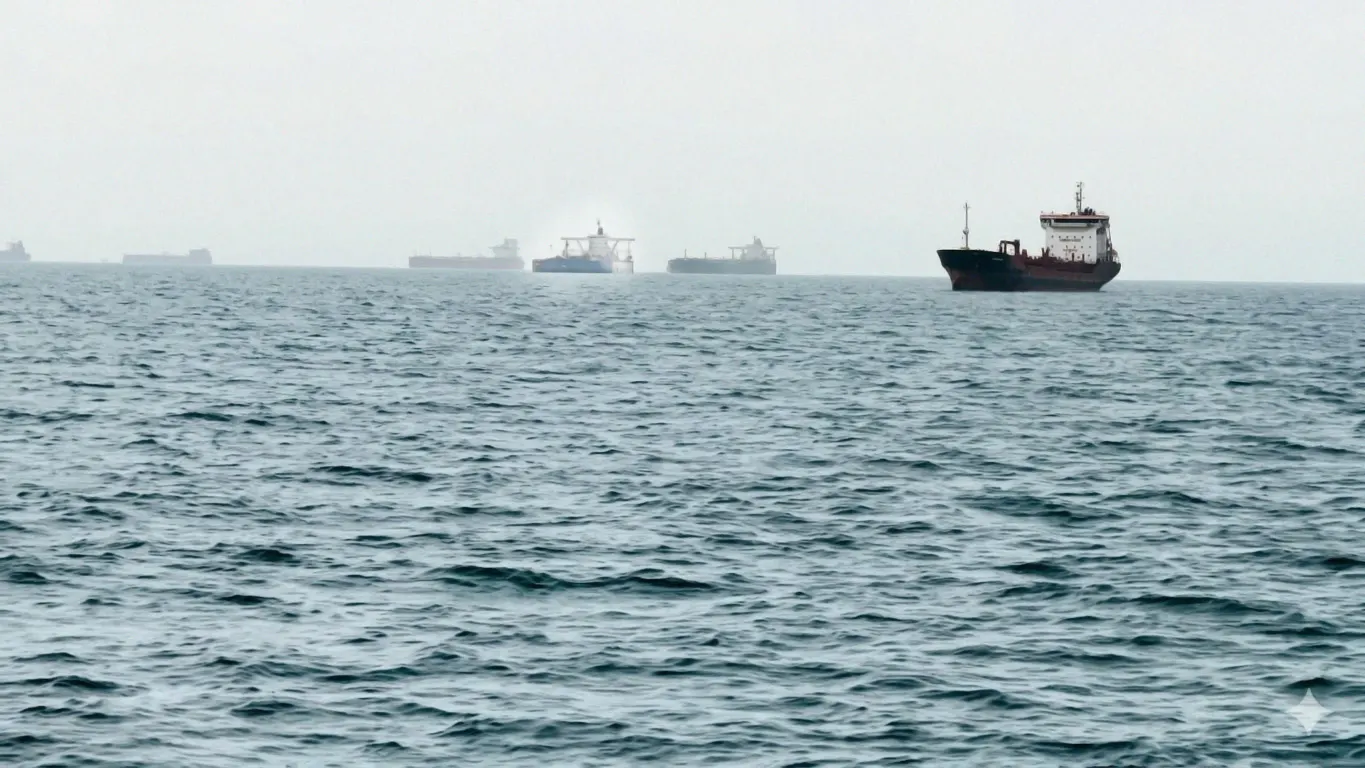
While the energy deal dominated headlines, behind closed doors the conversation turned to security specifically, the Strait of Hormuz.
President Trump reportedly pressed Japan to contribute naval forces to protect oil tankers in the region.
Takaichi, however, faced a legal and political constraint:
Japan’s pacifist constitution limits its ability to deploy military forces abroad.
As a result, she struck a careful tone condemning instability while emphasizing that any Japanese involvement would likely come only after active hostilities subside.
The $73 Billion Deal: Energy as Strategy
At the heart of the summit is a sweeping investment package aimed at transforming U.S. energy infrastructure while securing Japan’s long-term supply needs.
Small Modular Reactors (SMRs): The “Crown Jewel”
Roughly $40 billion will fund next-generation nuclear reactors built by GE Vernova and Hitachi.
These Small Modular Reactors (SMRs), particularly the BWRX-300 design, are smaller, faster to build, and more cost effective than traditional plants.
Their purpose is highly strategic:
They will provide constant, carbon-neutral electricity to power the rapidly expanding AI data center industry while helping stabilize electricity prices for American consumers.
With tech companies struggling to meet energy demand, this move positions the U.S. to compete more aggressively in the global AI race, backed by Japanese capital.
Natural Gas Expansion: Energy Security in Uncertain Times
Another $33 billion is earmarked for natural gas projects in Pennsylvania and Texas.
This serves two goals at once:
- Strengthening U.S. domestic energy capacity
- Expanding liquefied natural gas (LNG) exports to Japan
As tensions disrupt Middle Eastern supply routes, Japan is actively diversifying away from reliance on that region.
Critical Minerals: Reducing Dependence on China
Beyond energy, the deal tackles a key geopolitical vulnerability: supply chains.
The U.S. and Japan agreed to cooperate on securing critical minerals like lithium and rare earth elements materials essential for batteries, electronics, and defense systems.
Key initiatives include:
- A “price floor” mechanism to prevent China from undercutting global markets
- Deep sea mining projects near Japan’s Minamitorishima Island
- New processing and refining facilities in the United States
This marks a direct effort to counter China’s dominance in the global minerals supply chain.
The Diplomatic Balancing Act: Energy vs. Security
While the economic announcements were a clear win for Takaichi, fresh off a landslide election victory, the security dimension proved more complicated.
The Strait of Hormuz emerged as the central point of tension.
This narrow waterway carries a significant portion of the world’s oil supply. Any disruption there has immediate global consequences.
President Trump’s push for Japanese naval involvement reflects a broader expectation:
Allies should contribute more directly to global security operations.
But Takaichi’s response underscores a longstanding reality:
Japan’s foreign policy is constrained not just by strategy, but by law and public opinion.
Instead of military action, she proposed an alternative:
A joint U.S.-Japan oil reserve initiative to stabilize global markets and counter price spikes.
Notably, Japan has already begun acting unilaterally.
Tokyo launched its largest ever release of strategic oil reserves this week, aiming to bring domestic prices back down toward pre war levels.
Economic Security Takes Center Stage
This deal highlights a fundamental shift in how global powers think about security.
Energy is no longer just an economic issue, it is a strategic asset.
By investing heavily in U.S. infrastructure, Japan is effectively building a buffer against external shocks, particularly in the Middle East.
At the same time, the United States gains:
- Long term capital investment
- Expanded energy production
- Stronger supply chain resilience
In essence, both countries are constructing a shared “economic shield” against global instability, one that also doubles as a platform for winning the next generation
technology race.
Key Risks and Opportunities
Looking ahead, several critical questions remain:
- Will Japan expand its military role abroad?
Pressure from Washington is unlikely to ease. - Can the energy projects be delivered on time?
SMRs, while promising, are still relatively new technology. - How will China respond?
The critical minerals strategy directly challenges Beijing’s economic influence. - Will Middle East tensions escalate further?
The answer will shape both energy markets and alliance dynamics.
A Turning Point in the U.S.-Japan Alliance
The March 19 summit was about far more than a $73 billion deal. It was about redefining what alliance means in a volatile world.
The United States and Japan are no longer just security partners, they are becoming deeply integrated economic strategists.
And as global tensions rise, this fusion of energy policy, industrial investment, and geopolitical alignment may define the next phase of international relations.