
S&P Global Ratings has revised the outlook on SoftBank Corp.
to Negative from Stable, while affirming its ‘BBB’ long term issuer credit rating.
At first glance, this may seem surprising. The telecom unit is performing well. But the change has little to do with its operations and everything to do with its parent.
Why S&P Cut the Outlook
The outlook revision stems from rising pressure at parent company SoftBank Group Corp.
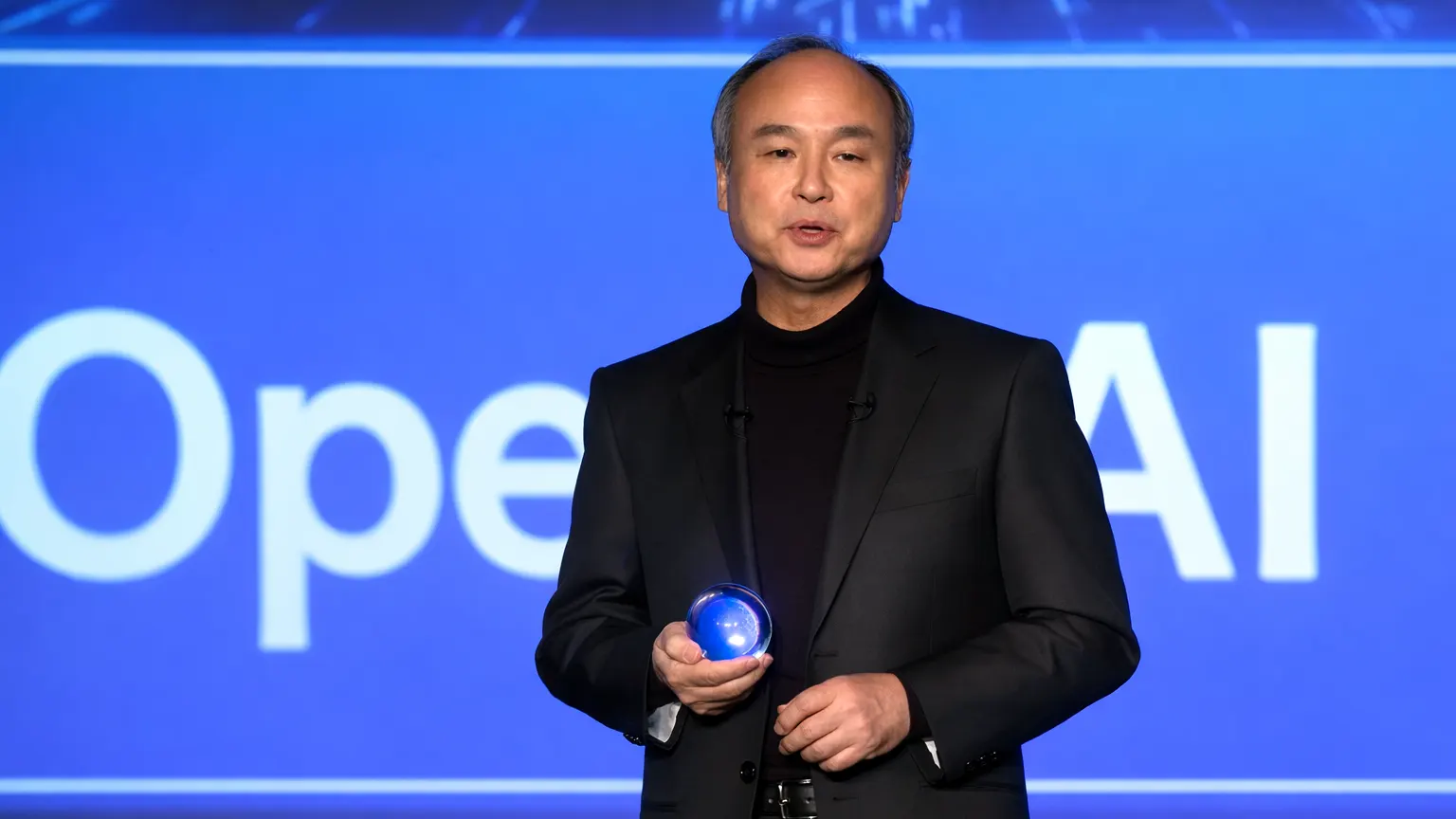
On March 3, S&P revised the parent’s outlook to Negative after it committed another $30 billion to OpenAI. That brings SoftBank’s total projected investment in the AI company to $64.6 billion.
Importantly, this latest round was based on a $730 billion pre money valuation, underscoring the enormous scale of the bet.
Under S&P’s group credit methodology, a subsidiary’s rating is constrained by the parent’s risk profile. Even though the telecom business is stable,
its rating reflects the broader group’s leverage and liquidity.
In short: the telecom arm is absorbing the financial shockwaves of the parent’s AI strategy.
The “OpenAI Risk” in Numbers
S&P’s concern centers on liquidity, concentration, and leverage.
A Concentrated Portfolio
OpenAI could soon account for nearly 30% of SoftBank Group’s investment portfolio, putting it on par with Arm Holdings.
SoftBank’s future is increasingly built on two pillars:
- Arm (public and liquid)
- OpenAI (private and illiquid)
That creates what analysts call a “binary” portfolio structure.
A Surge in Illiquid Assets
Before the latest commitment, unlisted assets made up about 42% of the portfolio. After the new investment, that figure is expected to exceed 50%.
Private shares cannot be quickly sold during market stress. That reduces financial flexibility.
The LTV Red Line
SoftBank’s Loan to Value (LTV) ratio is currently around 33%, with S&P’s downgrade trigger set at 35%.
If Arm’s stock declines or the yen weakens further, SoftBank could breach the threshold and face a downgrade to BB or lower.
The Three Tranche Structure: Why This Is a Warning
The $30 billion commitment is not hitting all at once.
It will be deployed in three $10 billion tranches:
- April 1, 2026
- July 1, 2026
- October 1, 2026
This explains why the Negative outlook is a forward looking warning
rather than an immediate downgrade.
As each tranche is funded, leverage and liquidity metrics will tighten unless offset by asset sales or new liquidity events.
The pressure builds over time, it doesn’t explode overnight.
Why S&P Calls OpenAI a “Weakest” Asset
S&P described OpenAI as one of SoftBank’s investments with
the “weakest credit quality.”
This reflects financial structure, not technological strength:
- OpenAI is private
- It pays no dividends
- It operates in a capital intensive, competitive AI market
- It remains exposed to rapid innovation risk
For a highly leveraged holding company, owning a large non income producing asset adds balance sheet weight.
What This Means for SoftBank Corp.
Despite the Negative outlook, S&P praised the telecom unit’s fundamentals.
As a standalone entity, SoftBank Corp. has:
- A strong competitive position in Japan’s telecom market
- Stable 5G driven earnings
- Predictable cash flow
- A standalone credit profile above its final group-constrained rating
So why the risk ?
The “Contamination” Factor
S&P argues there is no absolute firewall separating the telecom subsidiary from its parent.
Although SoftBank Corp. maintains :
- Restrictive covenants blocking direct financial support to the parent
- An independent special committee overseeing related party deals
- A board with more than one third independent directors
S&P believes these protections may not fully prevent pressure if the parent needs liquidity.
Under its “two notch” framework, the telecom unit sits two levels above the parent. If the parent is downgraded, the subsidiary will likely follow.
Strong operations cannot fully shield it from group level leverage risk.
The Escape Plan: How SoftBank Can Stabilize Its Credit
Masayoshi Son has three main levers to restore stability.
1. An OpenAI IPO
An IPO in late 2026 would convert private shares into tradable stock, improving liquidity and lowering the LTV ratio.
2. Asset Sales
SoftBank could reduce stakes in late stage holdings such as ByteDance, Fanatics, or Revolut.
Bringing the LTV closer to 25% would likely ease rating pressure.
3. The PayPay IPO
In fresh news, PayPay, SoftBank’s digital payments arm, has launched its U.S. IPO roadshow.
A successful listing would create a meaningful liquidity event and provide capital flexibility. This move could help offset the OpenAI funding tranches and support balance sheet repair.
The PayPay IPO may be the fastest near term tool to relieve pressure.
What Investors Should Watch
Key indicators over the next six months include:
- Arm’s stock performance
- Execution of PayPay’s IPO
- Timing and structure of a potential OpenAI IPO
- Additional asset sales
- Movements in the LTV ratio as tranches are deployed
The next two quarters will be critical.
Conclusion
S&P’s Negative outlook on SoftBank Corp. is not about weak telecom performance. It reflects rising leverage and liquidity risk at the group level.
SoftBank Group’s $64.6 billion OpenAI investment priced at
a $730 billion valuation has pushed key metrics toward critical thresholds.
The telecom business remains solid. But until liquidity improves through IPOs or asset sales, credit pressure will remain.
The story is no longer about growth alone, it’s about balance sheet discipline.
Investors should monitor LTV trends, IPO execution, and asset monetization closely.