The long simmering tensions between Pakistan and Afghanistan have erupted into full scale confrontation. What began as border skirmishes, proxy accusations, and disputes over militant sanctuaries has now transformed into what Islamabad officially calls
“Operation Ghazab lil Haq” (Wrath for Truth).
As of March 2, 2026, the conflict has moved far beyond frontier clashes. For the first time, Afghan forces have struck deep inside Pakistan, targeting core military infrastructure. Civilian casualties are mounting, diplomatic channels are strained, and regional powers are scrambling to prevent a wider war.
How the War Reached This Point
Two core drivers pushed both sides toward open warfare:
1. The TTP Issue
Pakistan accuses the Afghan Taliban government of providing sanctuary to Tehrik-e Taliban Pakistan (TTP). Islamabad says the group has intensified cross border attacks, including a deadly mosque bombing in the capital earlier this month.
Pakistan’s leadership insists that cross border militancy is now an existential security threat.
2. The Durand Line Dispute
The 2,600 km Durand Line remains deeply contested.
Pakistan considers it a settled international boundary.
The Taliban have historically resisted formally recognizing it,
viewing it instead as a colonial era division.
On February 27, Pakistan’s Defense Minister Khawaja Asif publicly declared “open war,” signaling the end of restrained engagement.
The Battlefield: Major Military Developments
Afghan Counter Strikes Inside Pakistan
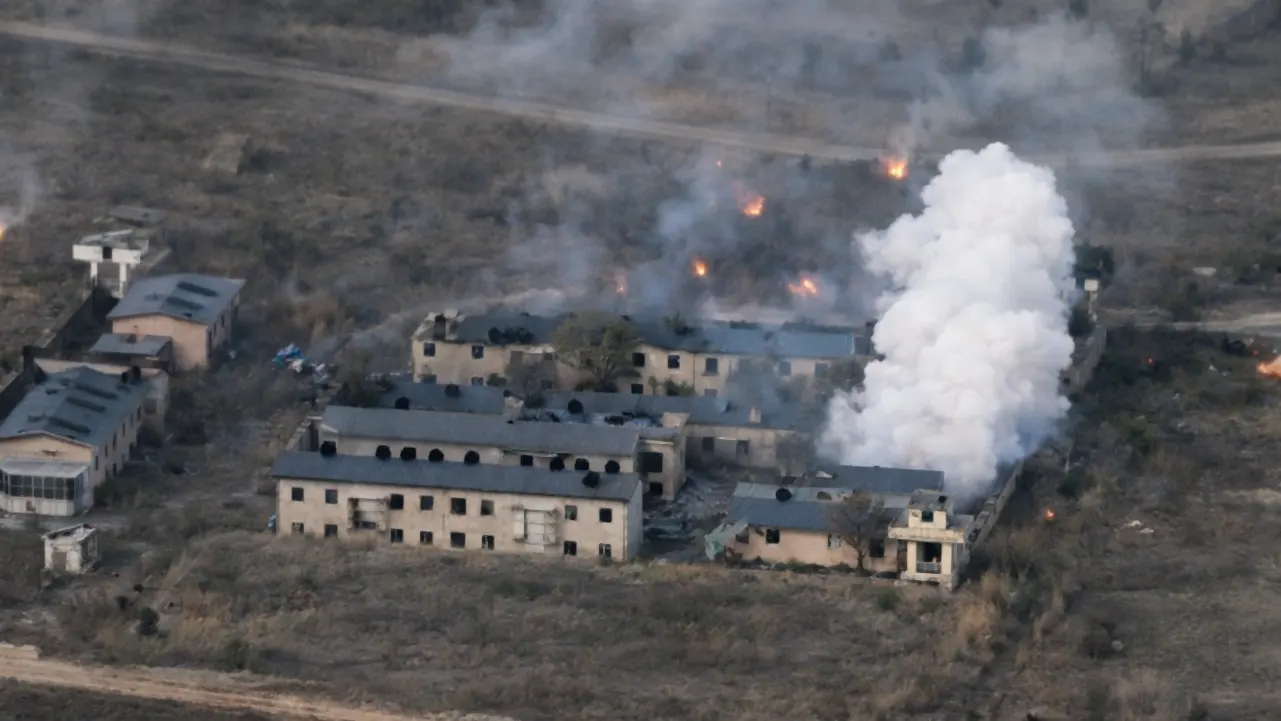
In an unprecedented escalation, the Afghan Air Force reportedly deployed advanced drone systems to strike deep within Pakistan.
Targets Hit
- Nur Khan Airbase (Rawalpindi)
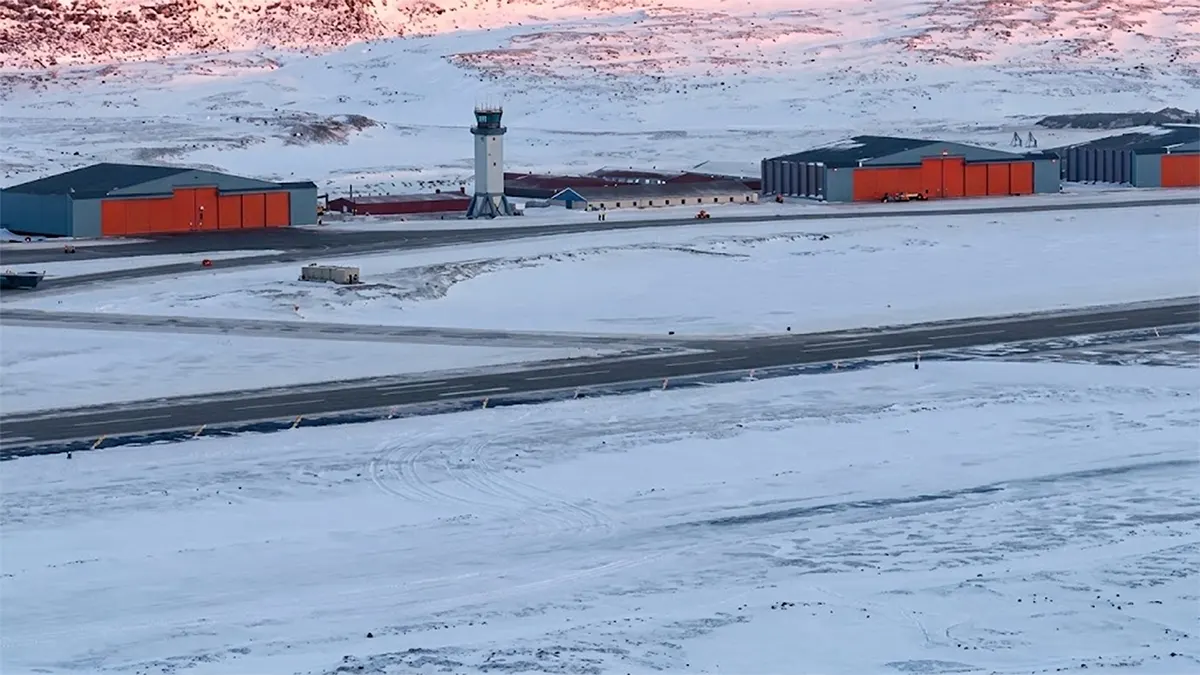
Afghan authorities claim drones struck this strategic airbase used for military coordination and state transport. Smoke was reportedly visible over the facility. - 12th Corps Headquarters (Quetta)
Kabul described a “precise and coordinated” strike on Pakistan’s 12th Corps HQ in Balochistan. - Mohmand Agency military camps
Taliban officials labeled the strikes retaliatory, citing violations of Afghan airspace over Kabul.
This marks the first time Afghan forces have attempted to degrade Pakistan’s central military infrastructure rather than simply contesting border zones.
Pakistan’s Expanding Air Campaign
Under Operation Ghazab lil Haq, Pakistan has significantly widened its aerial offensive.
Information Minister Attaullah Tarar confirmed that the Pakistan Air Force has struck 46 locations across Afghanistan, including:
- Kabul
- Kandahar
- Paktia Province
Pakistan’s Claims
- 415 Afghan fighters killed
- Nearly 200 armored vehicles destroyed
- 31 border posts captured
Afghanistan’s Position
Kabul disputes these figures, asserting that many strikes hit residential areas and killed at least 52 civilians.
Independent verification remains limited due to restricted access and conflicting narratives.
The Downed Jet Controversy
One of the most sensitive flashpoints involves a Pakistani fighter jet reportedly shot down near Jalalabad.
- Afghan officials claim the aircraft was downed and the pilot captured alive.
- Pakistan’s Foreign Ministry calls the claim “propaganda,” maintaining that all aircraft are accounted for.
No verified footage has surfaced, turning the incident into a high-stakes psychological battle.
Bagram Airbase: A Test of Air Defense
Afghan forces also claim they repelled a Pakistani strike on Bagram Airbase, once the primary U.S. military hub in the country.
According to Kabul, anti aircraft and missile defense systems were activated around 5:00 AM on March 1, forcing Pakistani jets to withdraw.
This engagement is significant for another reason: it was reportedly the first operational test of the Taliban’s newly integrated air defense network an improvised system built from remnants of previous Afghan military equipment combined with upgraded radar and drone detection capabilities. If confirmed, it suggests Kabul is attempting to modernize its defensive doctrine rather than relying solely on guerrilla tactics.
Casualties and the Humanitarian Fallout
Accurate casualty tracking remains difficult.
Military Losses (Feb 26 – March 2)
- Pakistan claims 415 Afghan fighters killed.
- Afghanistan claims over 80 Pakistani soldiers killed.
- Independent estimates suggest 55–80 military deaths on each side.
Civilian Impact
The United Nations has confirmed dozens of civilian casualties in border provinces including Nangarhar and Paktika. A strike in Bihsud District reportedly killed 18 civilians, including 11 children.
Thousands have fled areas near the Torkham crossing, triggering fears of a widening displacement crisis.
The Internal Pivot: A Second Front Inside Pakistan
While the war along the frontier is driven by national security concerns, Pakistan is simultaneously grappling with internal unrest.
The U.S. Consulate in Karachi was targeted amid violent demonstrations. The trigger was not the Afghan conflict itself, but religious anger following the reported killing of Iranian Supreme Leader Ayatollah Khamenei on February 28.
While border operations reflect nationalist mobilization, the streets of Karachi are burning due to sectarian and geopolitical outrage. Riots have also erupted in Lahore.
This “dual front” external war and internal unrest is stretching Pakistani security forces thin at a critical moment.
Political Stakes: Sharif Cancels Russia Visit
The domestic and military pressures have forced high-level political recalibration.
Prime Minister Shehbaz Sharif has cancelled his planned March 3–5 visit to Russia in order to remain in Islamabad for emergency security meetings.
The cancellation underscores the severity of the crisis. Islamabad’s leadership is prioritizing wartime coordination over diplomatic outreach.
Diplomacy Under Pressure
United Nations Response
The United Nations Security Council held an emergency session on February 28, with a dedicated follow up session on the
Pakistan–Afghanistan conflict scheduled for March 9.
UN Secretary General António Guterres has called for an immediate ceasefire and urged both sides to resolve disputes through diplomatic channels.
Regional Mediation Efforts
China
China is actively engaging both governments, concerned about the security of projects tied to the China-Pakistan Economic Corridor (CPEC).
Russia
Russia has offered to host political talks, positioning itself as a potential intermediary.
Iran
Iran has stated it is ready to facilitate dialogue to prevent instability along its eastern border.
The Doha–Istanbul Track
Both Qatar and Turkey are attempting to revive the ceasefire framework they previously brokered. Turkey’s Foreign Minister Hakan Fidan is coordinating efforts toward a possible summit in Istanbul.
The Economic Shock: Border Crossings Turn Into Battle Zones
The conflict is not just military, it is economic.
The Torkham and Chaman crossings are no longer merely closed
they have effectively become combat zones. These corridors handle billions of dollars in annual transit trade.
The shutdown has triggered immediate supply disruptions. Food prices in Kabul and Peshawar reportedly spiked overnight, and supply chains across both countries are under strain.
For landlocked Afghanistan in particular, prolonged closure threatens severe shortages of fuel, wheat, and medical supplies.
The Big Picture: A Dangerous Inflection Point
As of March 2, 2026, the war has entered a new and unpredictable phase.
- Afghan drone strikes have penetrated deep into Pakistan’s military infrastructure.
- Pakistan’s air campaign continues to expand in scale and intensity.
- Civilian casualties are rising.
- Internal unrest is compounding national instability.
- Regional powers are racing to mediate.
With a nuclear armed Pakistan engaged in sustained combat and
Central Asian stability at risk, the coming days may determine whether this remains a contained bilateral war or expands into a broader regional crisis.
For now, both nations remain on high alert, diplomacy struggles to gain traction, and millions of civilians face the consequences of a conflict that has moved far beyond the border.