A Distant War With Immediate Consequences
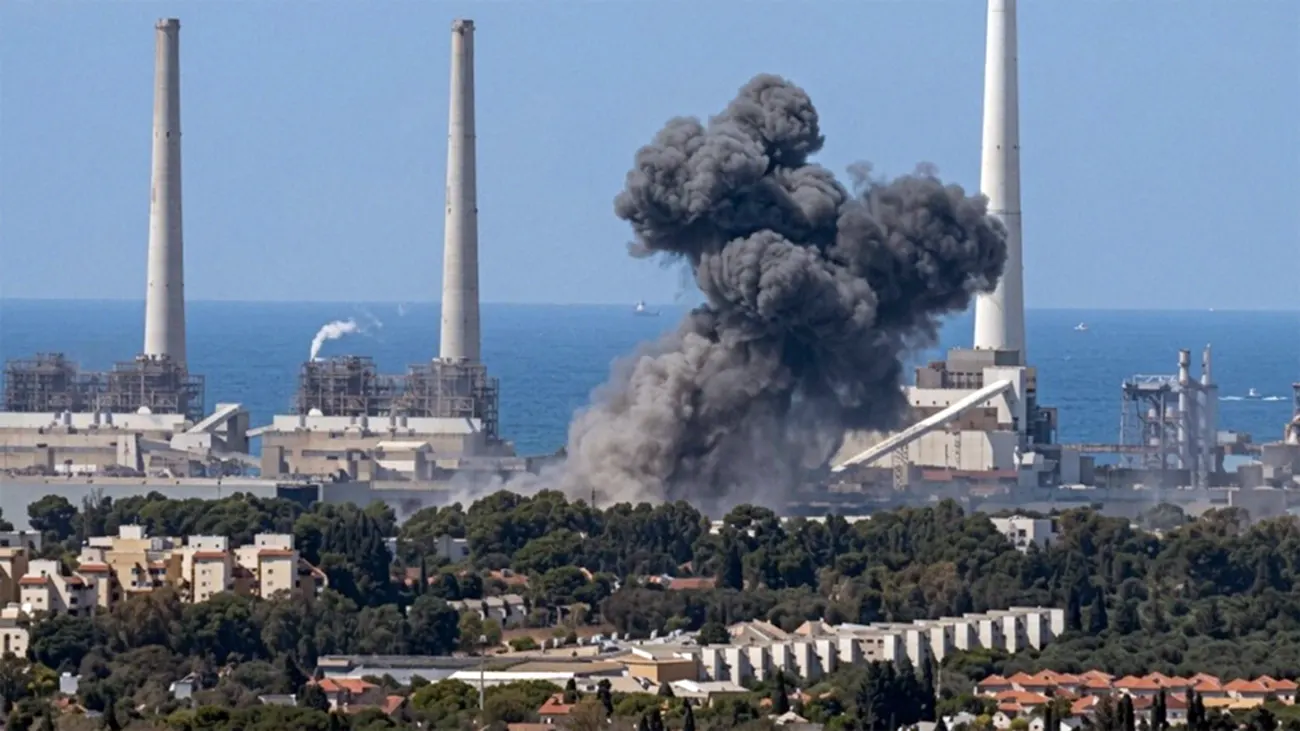
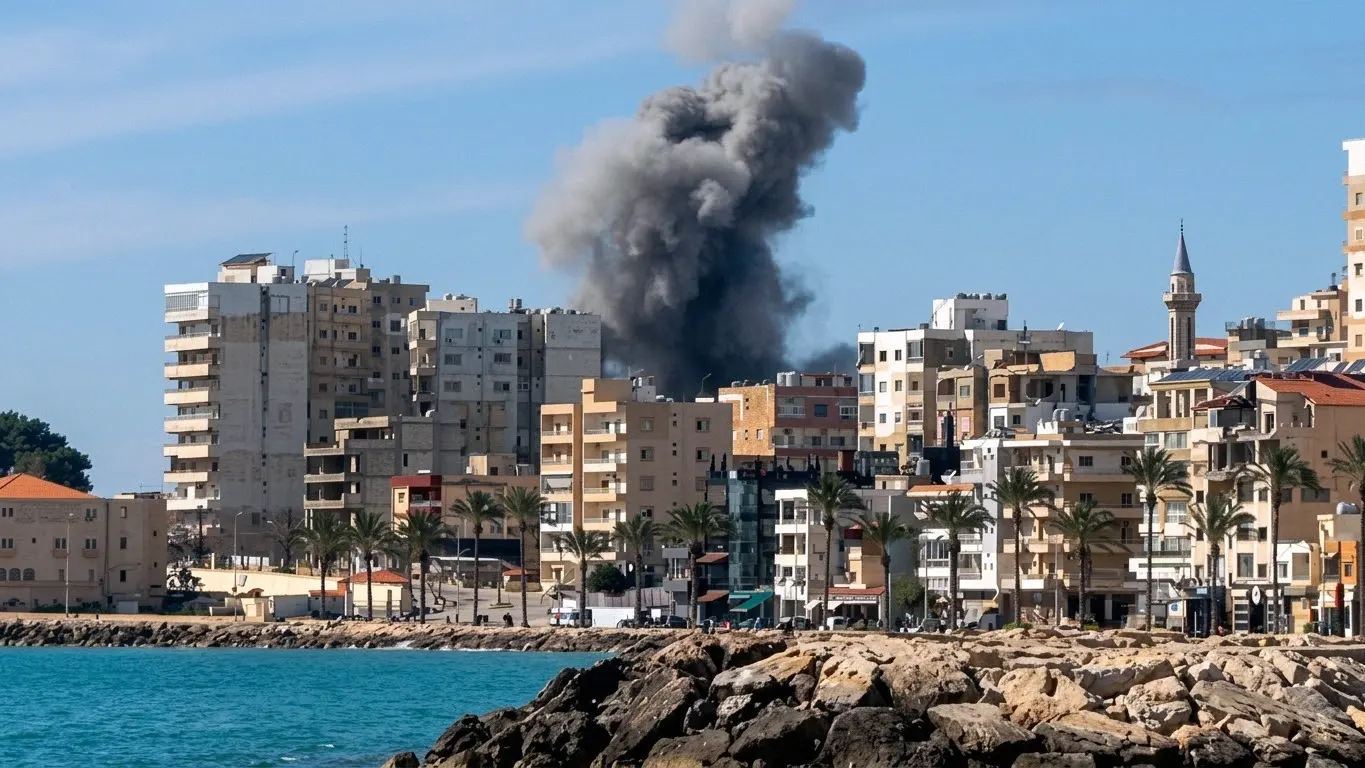
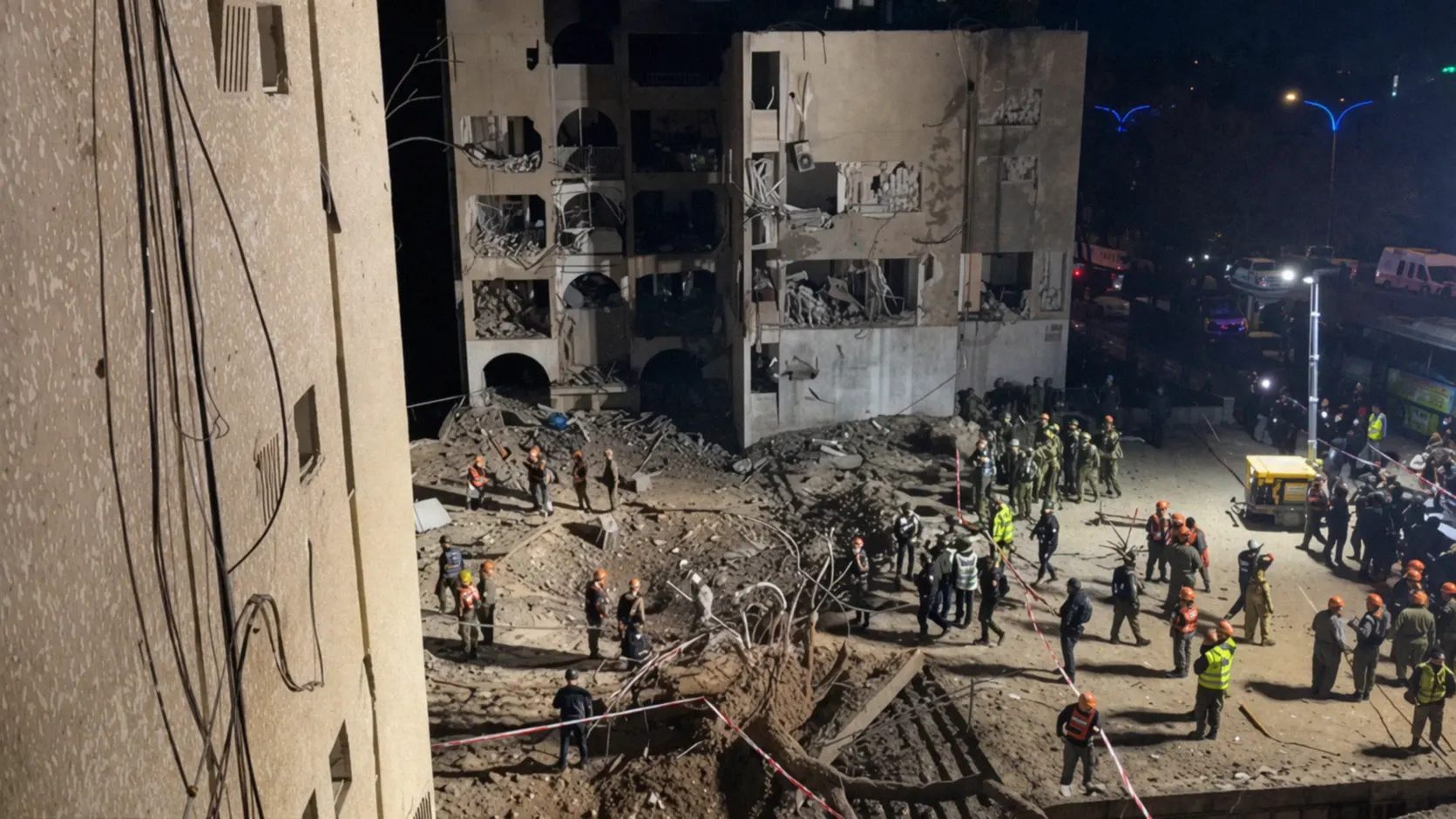
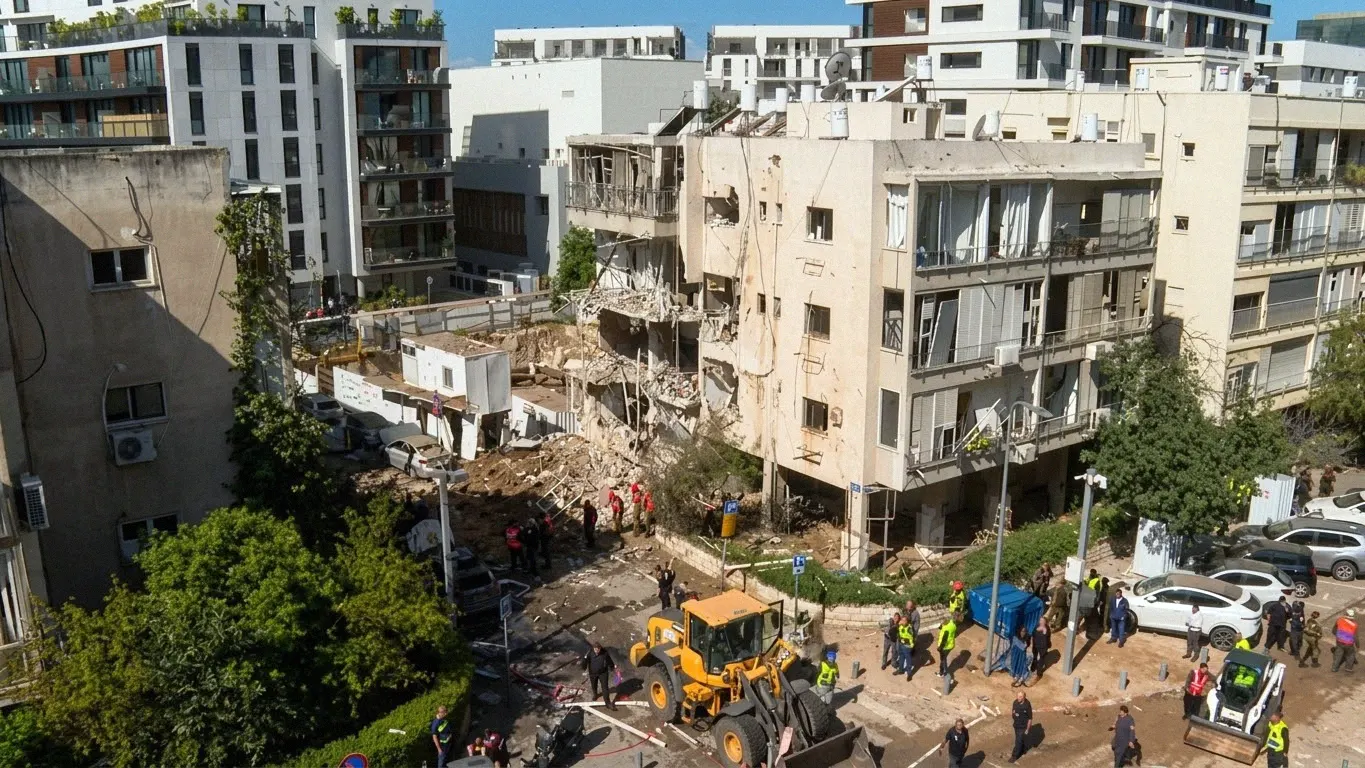
The escalating conflict in the Middle East is no longer confined to the battlefield. Its effects are now rippling across the global economy hitting vulnerable nations the hardest.
Over the past 48 hours, both Sri Lanka and Philippines have taken extraordinary emergency measures to prevent economic collapse and energy shortages.
What is unfolding is not just a regional crisis, it is a global supply shock with real world consequences for millions of people.
The Root Cause: A Choked Global Oil Lifeline
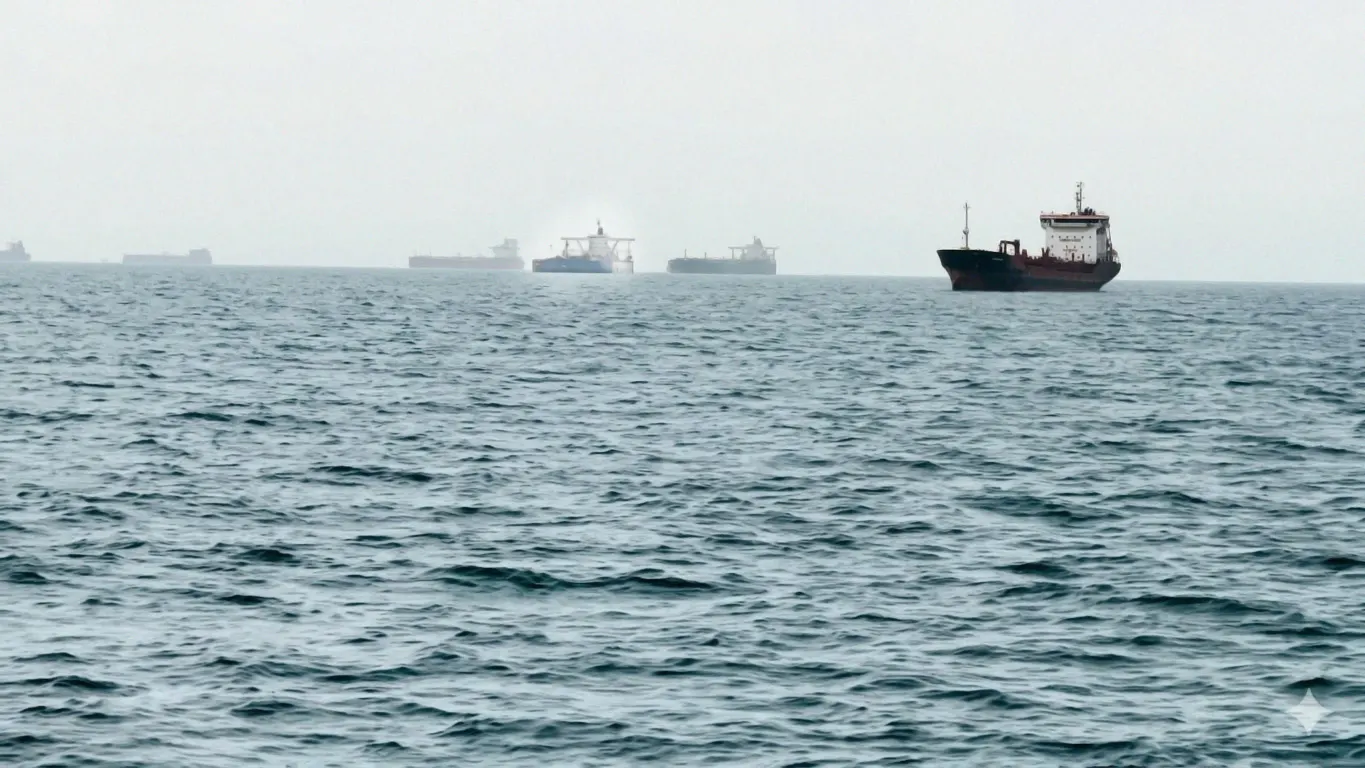
At the center of this crisis is the effective closure of the Strait of Hormuz, one of the world’s most critical oil shipping corridors.
Even countries that do not rely directly on Iranian oil are feeling the impact. This is due to a “two pronged squeeze”:
- A sharp drop (30–35%) in refined fuel supply from regional hubs like Singapore and South Korea
- Surging global oil prices, with Brent crude hovering around $103 per barrel
As a result, fuel is becoming both scarce and unaffordable especially for debt stressed economies.
Sri Lanka’s Emergency Playbook: Rationing and Shutdowns
For Sri Lanka, the situation is urgent. Fuel reserves are projected to last less than 25 days, forcing the government into aggressive conservation measures.
To stretch supplies, authorities have implemented what can only be described as a nationwide austerity plan:
- Mandatory 25% energy cuts across public institutions
- Complete shutdown of street lighting, billboards, and neon signs
- A weekly “Wednesday shutdown”, turning the day into a public holiday to reduce transport usage
- Strict fuel rationing, limiting cars to 15 liters per week and motorcycles to just 5
At the same time, fuel prices have surged by another 25%, compounding the economic strain on households already struggling with inflation.
This reflects a country slipping into survival mode prioritizing essential services over normal economic activity.
The Philippines Declares Its First Energy Emergency
Across the region, the Philippines has taken an even more formal step. President Ferdinand Marcos Jr. has declared the country’s first ever national energy emergency.
This move grants the government sweeping powers to act quickly in a tightening global market:
- Bypassing standard procurement rules to secure fuel
- Making advance payments to suppliers to “cut the line”
- Engaging in direct negotiations for oil shipments already at sea
The goal is clear: secure supply before it disappears.
Building a Lifeline: The Race for Strategic Oil Reserves
At the heart of the Philippine response is a rapid buildup of emergency fuel reserves.
Through the Philippine National Oil Company, the government is pursuing a two-phase plan:
- Immediate purchase of 400,000 barrels from regional suppliers
- Ongoing negotiations for additional shipments to reach 1 million barrels
- A final target of 2 million barrels, equivalent to roughly 10 extra days of supply
This fuel is not for general use. Instead, it is reserved for critical infrastructure protection, including:
- Public transport systems
- Emergency services like hospitals and fire departments
- Food supply chains to prevent shortages and inflation
In essence, the government is prioritizing national stability over market distribution.
The Aviation Crisis: When Planes Can’t Refuel
Perhaps the most alarming development is unfolding in the aviation sector.
Due to global fuel shortages, several countries have begun restricting refueling services to Philippine airlines, including Philippine Airlines and Cebu Pacific.
This has triggered what officials describe as a “tankering crisis”:
- Planes must carry enough fuel for round trips, drastically increasing weight
- Passenger and cargo capacity is reduced by 30–40%
- Long-haul routes become difficult or even impossible to operate
As a result:
- Flights to key destinations like Dubai and Doha have been suspended
- Regional routes across Southeast Asia are being cut
- Ticket prices are surging due to higher fuel surcharges
In practical terms, air travel is becoming more expensive, less efficient, and increasingly unreliable.
Economic Shockwaves: Rising Costs and Disrupted Supply Chains
The effects of this crisis extend far beyond fuel stations and airports.
As supply tightens:
- Transport costs are rising, pushing up food prices
- Trade routes are slowing, affecting imports and exports
- Governments are forced into expensive emergency spending, increasing fiscal pressure
In the Philippines alone, the cost of building emergency reserves is expected to exceed ₱20 billion ($350 million).
This creates a dangerous cycle: higher fuel costs drive inflation, which in turn weakens already fragile economies.
A Region Under Pressure
While Sri Lanka and the Philippines are among the most visibly affected, they are not alone.
Across Asia:
- Airlines are cutting routes
- Governments are prioritizing fuel allocation
- Energy policies are being rewritten in real time
The crisis is revealing a deeper vulnerability: how dependent modern economies are on stable global energy flows.
The Road Ahead: A Fragile Balance
Looking forward, the trajectory of this crisis depends on several uncertain factors:
- Will the Strait of Hormuz reopen fully?
- Can global supply chains adjust quickly enough to stabilize markets?
- How long can vulnerable economies sustain emergency measures?
Each of these questions carries significant implications not just for Asia, but for the global economy.
Why This Moment Matters
What is happening now is more than a temporary disruption.
It is a stress test of the global energy system and a warning of how quickly geopolitical conflict can translate into economic crisis.
For countries like Sri Lanka and the Philippines, the stakes are immediate: keeping lights on, transport running, and economies afloat.
For the rest of the world, the message is clear:
In an interconnected system, no country is truly insulated from global shocks.